Engineered Hardwood · Raleigh & Fuquay-Varina, NC
Real hardwood, in rooms solid wood can't go.
A genuine wood surface over a stable, cross-layered core — so you get the look and feel of hardwood in basements, over concrete slabs, and in humid rooms where solid wood would cup, gap, or warp.
- Surface
- Real-wood
- Friendly
- Slab & basement
- In-home quotes
- Free
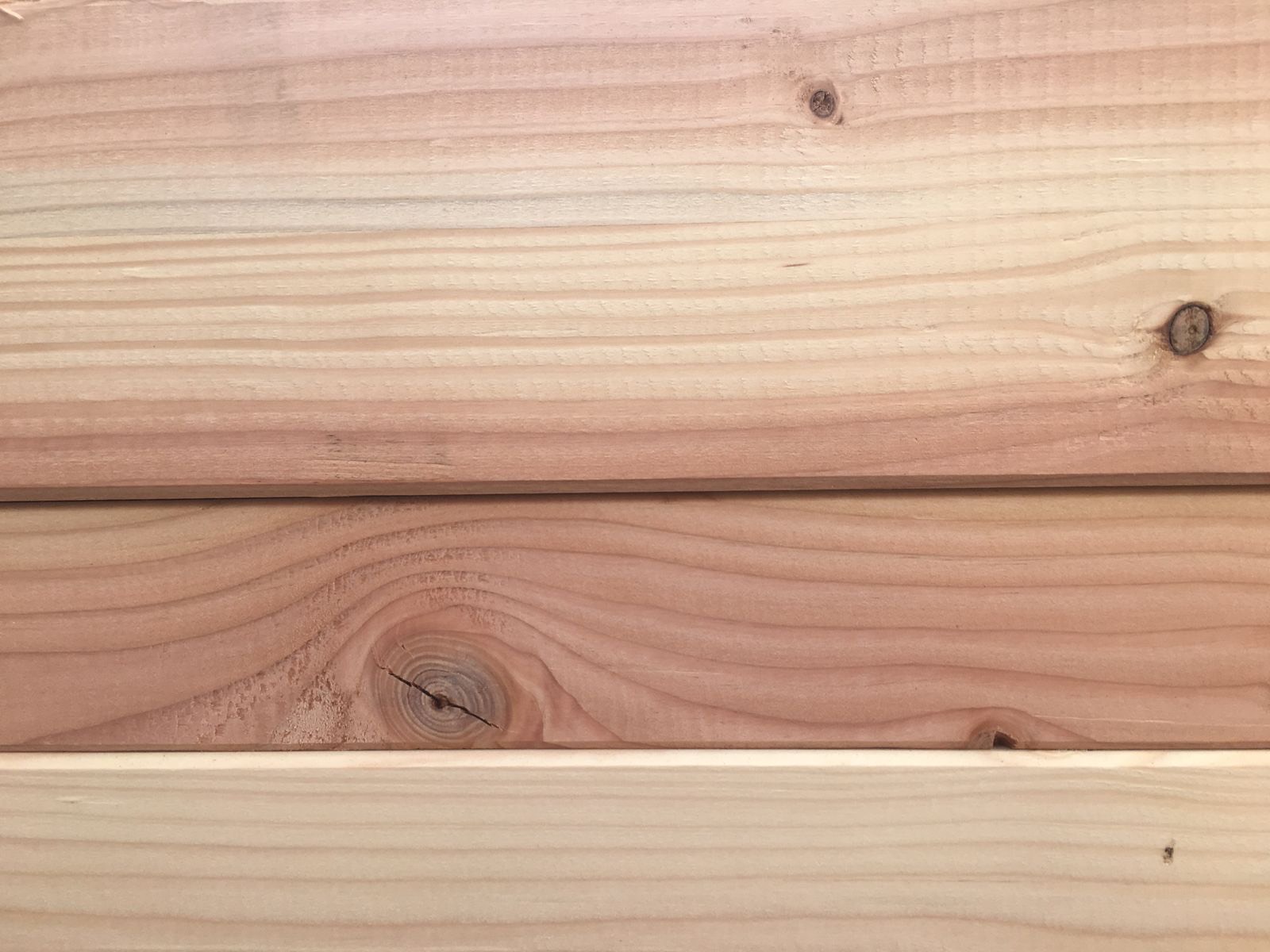
Why Engineered
The stability of a modern floor, the look of real wood.
Engineered hardwood solves the one weakness of solid wood: moisture. Its real-wood veneer sits over a cross-layered core that barely moves with humidity, so it stays flat and tight in the exact spots — basements, slab-on-grade main floors, rooms over crawl spaces — where a solid floor would cup or open gaps through a Carolina summer. For a lot of newer Triangle homes built on slabs, it’s the only practical way to get a real wood floor.
Because the surface is genuine wood, it reads as hardwood in every way that matters: the grain, the warmth, the resale appeal. Wide planks and modern finishes look especially good in open floor plans, and installation is more flexible — floating, glue-down, or nail-down depending on your subfloor.
As with any wood floor, we moisture-test the subfloor and flatten it first. Choose a thicker wear layer and it can even be refinished down the road — we’ll help you weigh veneer thickness, species, and finish for your rooms and budget.
What an engineered install includes
- Subfloor and slab checked for flatness and moisture
- Leveling, and a moisture barrier where the slab needs it
- Real-wood engineered planks in your species and finish
- The right install method — floating, glue-down, or nail-down
- On-site acclimation before installation
- Tight, staggered layout with proper expansion gaps
- Shoe molding, transitions, and thresholds installed
Scope varies with your subfloor and veneer choice — your quote is itemized after we’ve seen the space.
How It's Built
Why cross-layering keeps it flat
Solid wood moves — it expands across the grain when humidity rises and shrinks when it falls, which is what causes cupping and seasonal gaps. Engineered hardwood is built specifically to fight that. Underneath the real-wood veneer, multiple plies of wood are stacked with their grain running in alternating directions. Each layer restrains the next, so the plank as a whole barely moves.
The top layer — the veneer, or wear layer — is genuine hardwood, the same species and finish you’d get in a solid floor. Its thickness is the spec that matters most: a thicker veneer looks and behaves more like solid wood and can be refinished; a thin one is a one-time surface. When we quote engineered, veneer thickness is one of the first things we talk through.
The layers, top to bottom
- Finish — factory-applied, tough, protective
- Real-wood veneer — the genuine hardwood surface
- Cross-layered core — plies stacked for stability
- Backing — balances the plank against moisture
Prefer a single solid piece of wood? See solid hardwood →
Choosing Your Engineered Floor
The specs that decide look and longevity
Engineered varies a lot in quality. These four choices shape both how it looks and how long it lasts.
Veneer thickness
The real-wood top layer. Thicker (≈3mm+) looks more like solid wood and can be refinished; thin veneers are a one-time surface. It's the biggest quality signal.
Species & finish
The same choices as solid — white oak, red oak, hickory, maple — in your stain and sheen. Harder species resist dents in busy homes.
Core & ply count
More plies and a quality core mean better stability and a more solid feel underfoot. It's what keeps the floor flat over a slab.
Install method
Floating, glue-down, or nail-down — matched to your subfloor. Glue-down feels most like solid wood; floating is fast over concrete.
Where It Shines
The real-wood answer for tricky rooms
Engineered hardwood is at its best exactly where solid wood is a gamble. Over a concrete slab — common in newer Triangle construction and in ranch-style homes — solid hardwood can’t be nailed and reacts to slab moisture, while engineered installs cleanly with the right moisture control. In below-grade basements, its stability handles the higher humidity that would cup a solid floor.
It’s also one of the few real-wood floors that pairs well with radiant floor heat, and it’s a smart choice for main levels over crawl spaces where moisture swings are a concern. In short: if you want genuine hardwood but the room has a moisture or slab question mark, engineered is usually the answer — and we’ll tell you honestly when solid is the better call instead.
Ideal for
- Concrete slab-on-grade floors
- Below-grade basements
- Main levels over crawl spaces
- Rooms with radiant floor heat
- Wide-plank looks in open plans
- Anywhere humidity swings are a concern
How It's Installed
Five steps, and none of them get skipped.
Fast doesn’t mean rushed. Every step below exists because skipping it is what turns a floor that lasts decades into one that fails, gaps, or squeaks in a couple of years.
In-home measure & itemized quote
We measure every room, look at the subfloor and what's coming out, and help you match the right material to how each space is used. You get an itemized price before any work begins.
Tear-out & haul-away
Old flooring, tack strip, and staples come up and out. We check the subfloor underneath as it's exposed — this is where hidden water damage and soft spots turn up.
Subfloor prep & moisture check
Low spots get leveled, high spots ground down, loose panels re-secured, and squeaks fixed. Wood and laminate go over a moisture-checked, flat subfloor — never a wavy one.
Acclimation & precise install
Wood and laminate acclimate to your home's humidity first, then everything is installed with proper expansion gaps, tight seams, and layout planned so full planks land where they show.
Trim, transitions & clean-up
Shoe molding, transitions, and thresholds finish the edges; we vacuum, wipe down, and walk the job with you. For site-finished hardwood, that includes sanding, staining, and coating.
What Goes Into Your Quote
What moves an engineered hardwood quote
The biggest variables are the veneer thickness and species you choose and the install method your subfloor calls for — a moisture-controlled glue-down over a slab is different work than a floating install. We measure, check the subfloor, and itemize it all up front, the precision behind our on-time, on-budget guarantee.
We take on projects of 350 square feet and up, quoted after an in-home measure.
Veneer & species
Thicker premium veneers and harder or exotic species cost more than a thin-veneer standard oak.
Install method
Glue-down and nail-down take more labor than floating; slab installs add moisture control.
Subfloor & slab prep
Leveling and moisture remediation over concrete are common and add labor when needed.
Tear-out & haul-away
Removing and disposing of old flooring is real labor.
Stairs & detail work
Stairs are priced per step; borders, insets, and transitions add time.
Plank width & layout
Wide planks and large open areas affect material and layout planning.
Why Homeowners Choose It
The wood floor that goes more places
Handles humidity
The stable core resists cupping and gapping through NC's humid summers — where solid wood is a gamble, engineered is a safe bet.
Works over concrete
Basements and slab-on-grade floors that rule out solid hardwood are ideal candidates for engineered.
Genuine wood look
The surface is real hardwood, so it carries the same grain, warmth, and buyer appeal as a solid floor.
Often more affordable
You typically get a real-wood floor for less than comparable solid hardwood, in more rooms of the house.
Flexible installation
Floating, glue-down, or nail-down — we pick the method that fits your subfloor and gets the best result.
Refinishable (if you choose)
A thicker wear layer can be sanded and refinished once or twice, extending the floor's life like solid wood.
Engineered FAQ
Common engineered hardwood questions
How is engineered hardwood different from solid hardwood?
Engineered hardwood has a real-wood top layer (veneer) bonded over a cross-layered plywood or HDF core. The surface is genuine wood — it looks and feels identical to solid hardwood — but the layered core is far more dimensionally stable, so it resists the cupping, gapping, and warping that humidity and concrete can cause with solid wood. Solid hardwood is a single piece of wood that can be refinished more times but is fussier about moisture.
Can engineered hardwood go over concrete or in a basement?
Yes — this is exactly where engineered shines. Its stable core handles the moisture and temperature swings of slab-on-grade floors and below-grade basements much better than solid wood, which is why we often recommend it for those spaces. We still moisture-test the slab and use the right underlayment or moisture barrier, but engineered opens up rooms where solid hardwood simply isn't a safe bet.
Can engineered hardwood be refinished?
Sometimes — it depends on the thickness of the real-wood wear layer. A thicker veneer (roughly 3mm or more) can usually be sanded and refinished once or twice over its life; a thin-veneer product can't be sanded at all. If refinishability matters to you, we'll steer you toward a wear layer that leaves that option open. Either way, the surface is real wood, so it carries the same look and resale appeal.
Is engineered hardwood cheaper than solid?
Often, yes — engineered typically costs less than solid hardwood for a comparable look, and it installs faster with more methods (floating, glue-down, or nail-down depending on the subfloor). You get a real-wood floor, in more rooms, usually for less. Where it costs more is a very thick premium veneer, which buys you extra refinishing life.
How is engineered hardwood installed?
Three ways, chosen by the subfloor and product: floating (planks click together over an underlayment, common over concrete), glue-down (bonded directly to the slab or subfloor for a very solid feel), or nail-down (fastened to a wood subfloor, like solid hardwood). Over a basement or slab, floating or glue-down with the right moisture control is typical. We pick the method that gives the best, longest-lasting result for your space.
Does engineered hardwood work with radiant floor heat?
Generally yes — engineered's dimensional stability makes it one of the better wood options over radiant heat, where solid wood can be risky. The specifics matter (product rating, install method, and controlling how fast the heat ramps up), so we confirm the product is approved for radiant and follow the manufacturer's guidance. It's a great way to get real wood over a heated slab.
Gallery
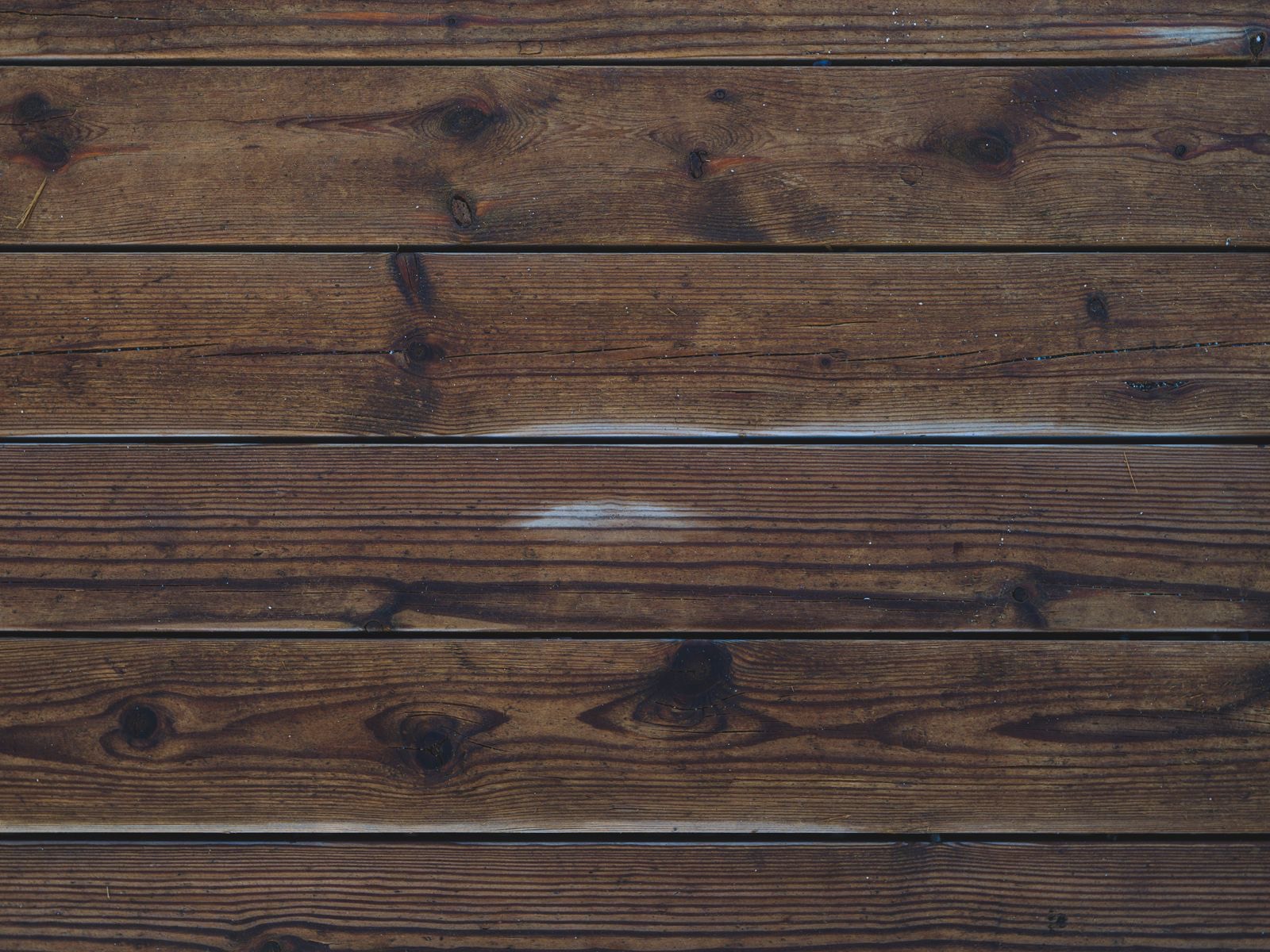
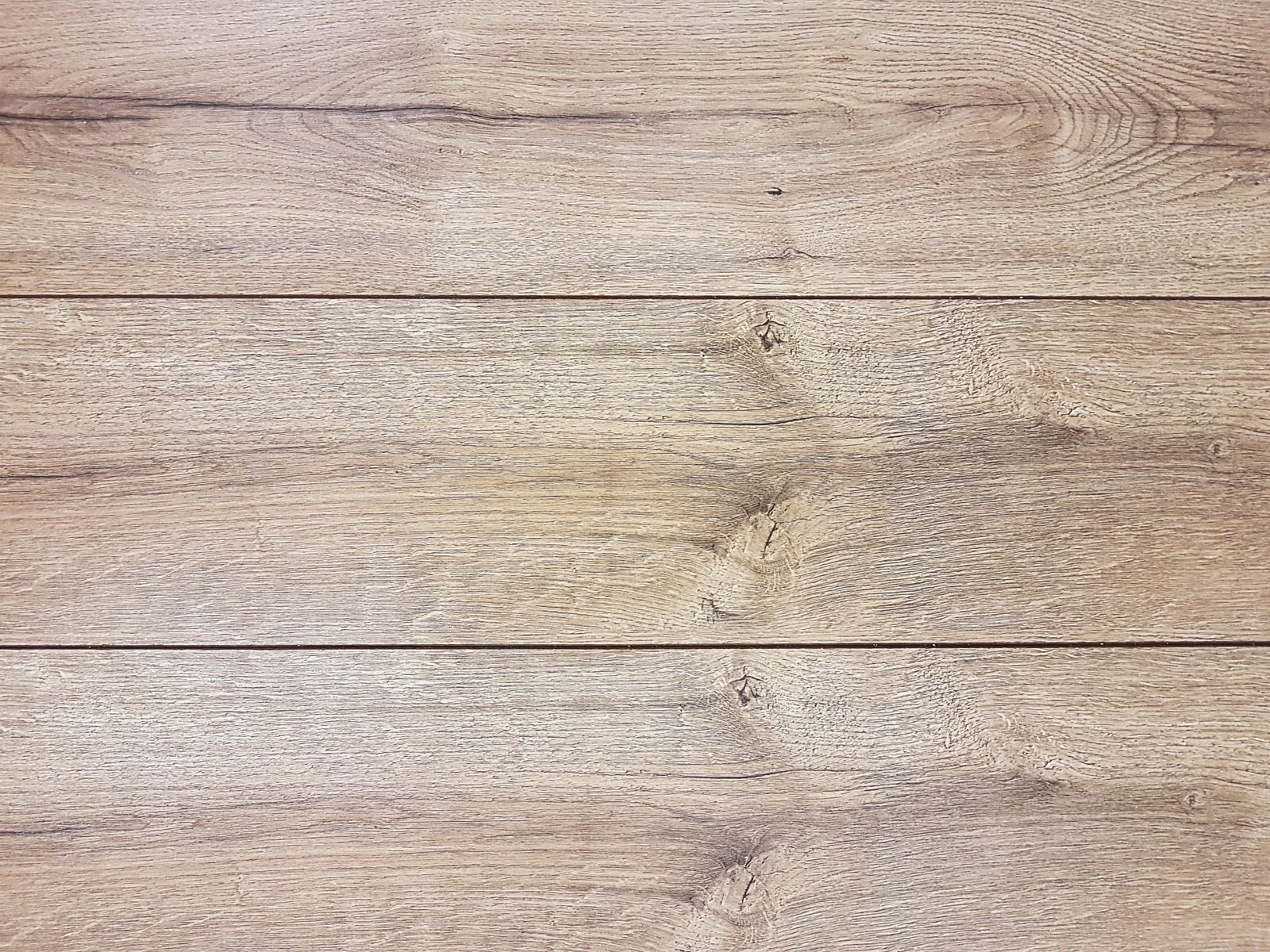
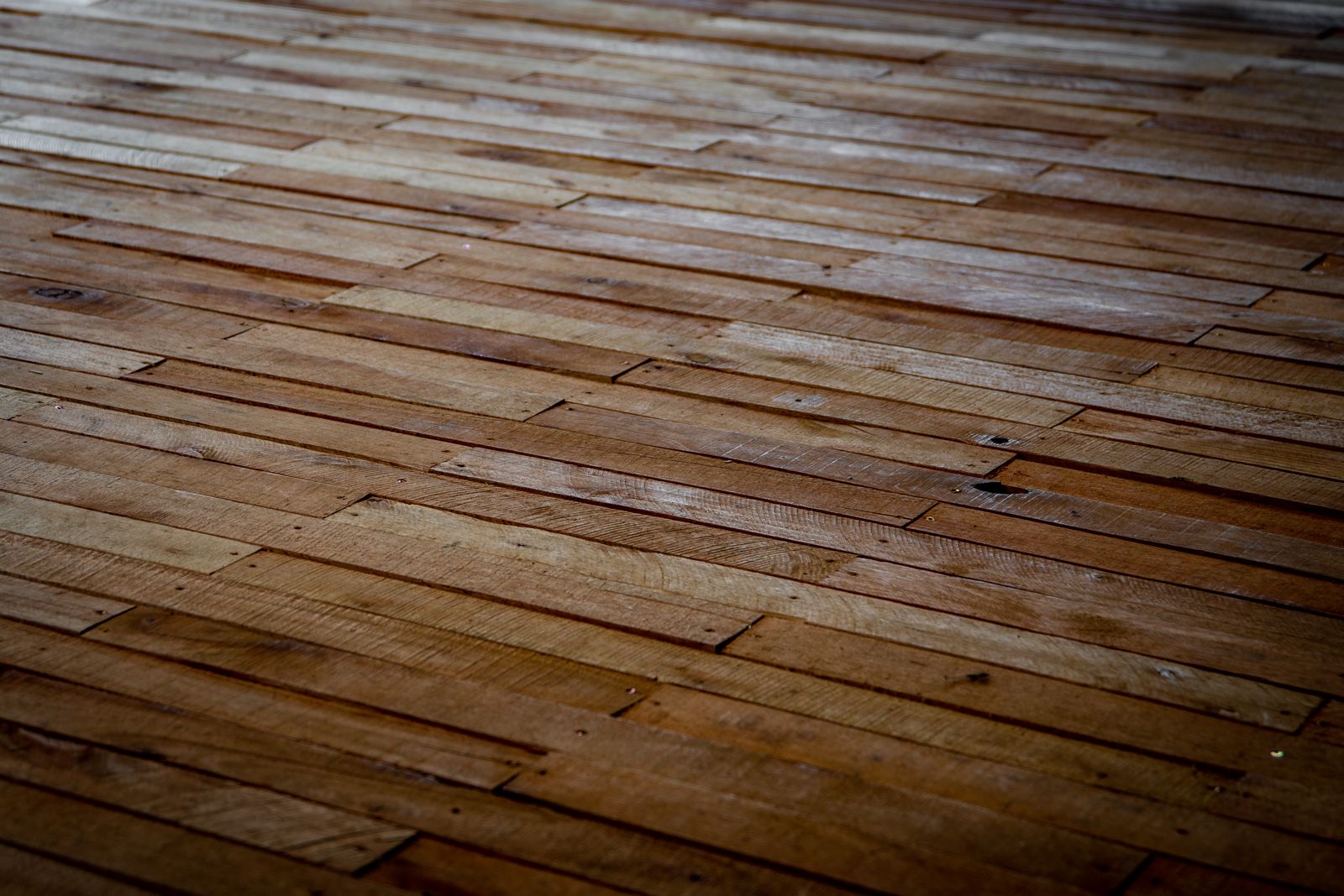
Engineered Hardwood Up Close
Get your engineered hardwood quoted.
Free in-home quotes across the Raleigh Triangle. Tell us about your space and we'll bring samples and a clear, itemized price — no pressure, no obligation.
On-Time, On-Budget Guarantee · Licensed & insured · Free quotes