Laminate Flooring · Raleigh & Fuquay-Varina, NC
The wood look you want, at a price that works.
Laminate delivers a convincing wood look with one of the toughest, most scratch-resistant surfaces you can buy — a smart, budget-friendly choice for living rooms, bedrooms, and busy hallways.
- Resistant surface
- Scratch
- Friendly
- Budget
- In-home quotes
- Free
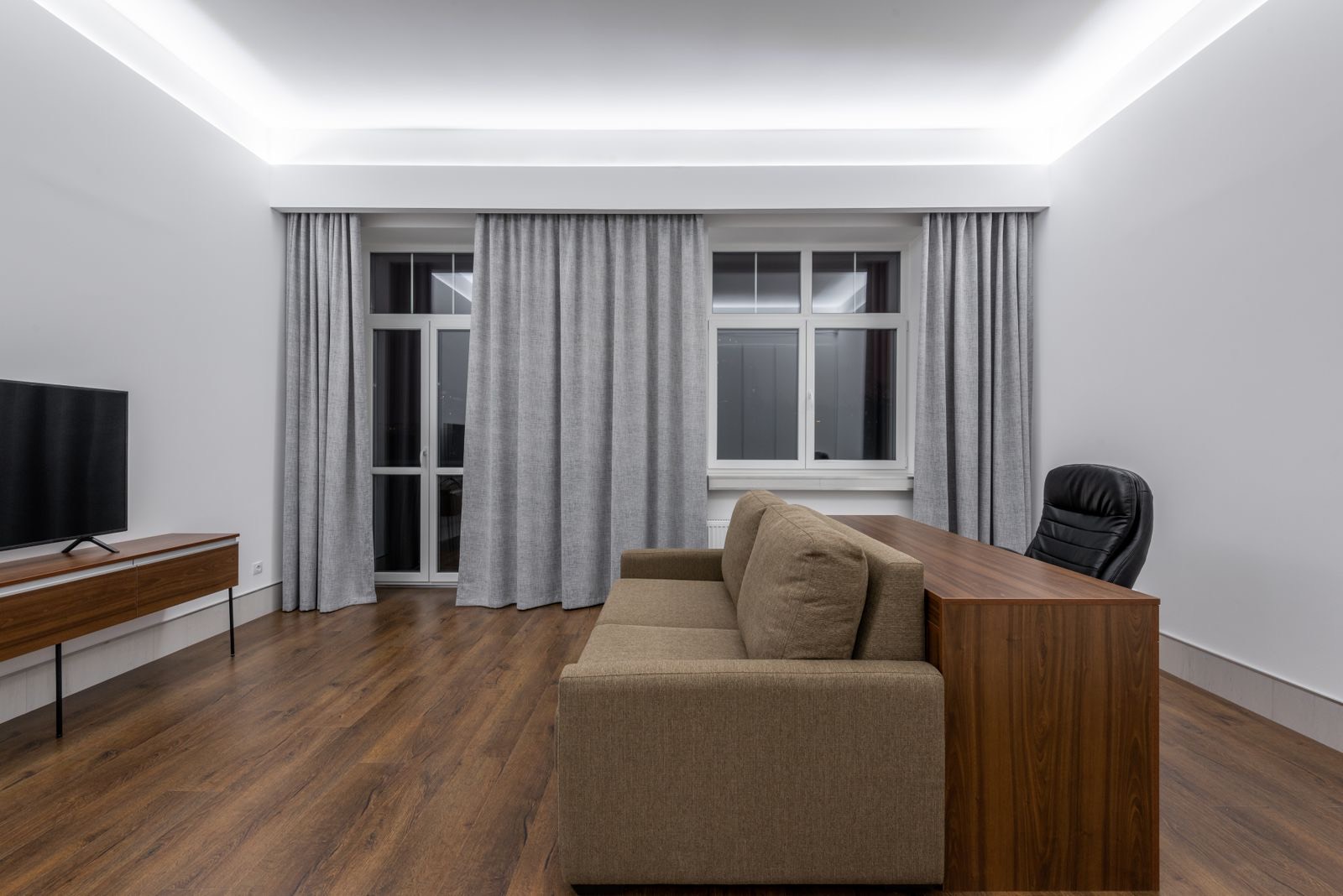
Why Laminate
Tough, affordable, and better-looking than ever.
Laminate earns its place on the strength of two things: a very hard wear surface that resists the scratches and dents that mar softer floors, and a price that lets you do a whole house for meaningfully less than hardwood. Today’s embossed, high-definition laminates also look far more like real wood than the flat, shiny boards people remember — with texture that follows the grain and beveled edges that read as real planks.
It’s an especially good fit for living rooms, bedrooms, hallways, and stairs — dry, high-traffic spaces where its durability shines. For bathrooms and other genuinely wet areas we’ll steer you to waterproof luxury vinyl or tile, and we’ll always tell you honestly which product fits which room.
Like all floating floors, laminate needs a flat, sound subfloor and quality underlayment to feel solid and quiet underfoot. Skip that step and even a great product knocks and flexes — so we don’t skip it.
What a laminate install includes
- Tear-out and haul-away of the old flooring
- Subfloor cleaned, flattened, and checked for soft spots
- Quality underlayment for a solid, quiet feel
- Scratch-resistant laminate rated for your traffic
- Staggered, tight-seam layout planned for the room
- Proper expansion gaps at every wall and transition
- Shoe molding, transitions, and thresholds finished
Scope varies with your subfloor and what’s coming out — your quote is itemized after we’ve seen the space.
How Laminate Is Built
Four layers that make it tough
Understanding the layers explains where laminate is strong (scratch resistance) and where it’s cautious (standing water).
Wear layer
A clear, very hard top coat (often with aluminum oxide) that resists scratches, scuffs, and fading. Its toughness is graded by AC rating.
Design layer
A high-resolution photographic image of wood — today's are sharp and realistic, and paired with embossing that follows the grain.
HDF core
A dense high-density fiberboard core that gives laminate its rigidity and its click-lock edges. It's also why standing water must be kept off the seams.
Backing
A stabilizing bottom layer that balances the board and resists moisture from below. Underlayment adds cushion, quiet, and a moisture barrier.
Choosing Your Laminate
What separates good laminate from cheap laminate
Two floors can both say 'laminate' and perform very differently. These are the specs that matter.
AC rating
The durability grade. AC3 is a solid residential floor; AC4–AC5 add toughness for very busy homes and light commercial. Match it to your traffic.
Water resistance
Standard laminate is water-resistant; newer water-resistant lines tolerate longer exposure and tighter seams. Choose accordingly for kitchens and entries.
Texture & realism
Embossed-in-register texture and beveled edges read as real wood; flat, glossy boards look dated. Matte, textured finishes hide dust and wear.
Thickness & underlayment
Thicker boards and a quality underlayment feel more solid and quiet underfoot and bridge minor subfloor imperfections better.
Laminate vs. The Alternatives
Where laminate is the smart pick — and where it isn't
Laminate, luxury vinyl, and hardwood overlap, and the right choice comes down to the room and the priority. Choose laminate when you want the best scratch resistance and wood look for the money in a dry space — living rooms, bedrooms, hallways, stairs.
Choose luxury vinyl plank when the room can get wet — kitchens, baths, basements — because it’s fully waterproof. And choose real hardwood when you want the genuine article, maximum resale value, and the ability to refinish for decades. We’ll help you land on the right one room by room.
At a glance
- Best scratch resistance
- Laminate
- Fully waterproof
- Luxury vinyl (LVP)
- Real wood & resale
- Hardwood
- Refinishable
- Hardwood
- Lowest cost
- Laminate & value LVP
- Best for wet rooms
- LVP or tile
How It's Installed
Five steps, and none of them get skipped.
Fast doesn’t mean rushed. Every step below exists because skipping it is what turns a floor that lasts decades into one that fails, gaps, or squeaks in a couple of years.
In-home measure & itemized quote
We measure every room, look at the subfloor and what's coming out, and help you match the right material to how each space is used. You get an itemized price before any work begins.
Tear-out & haul-away
Old flooring, tack strip, and staples come up and out. We check the subfloor underneath as it's exposed — this is where hidden water damage and soft spots turn up.
Subfloor prep & moisture check
Low spots get leveled, high spots ground down, loose panels re-secured, and squeaks fixed. Wood and laminate go over a moisture-checked, flat subfloor — never a wavy one.
Acclimation & precise install
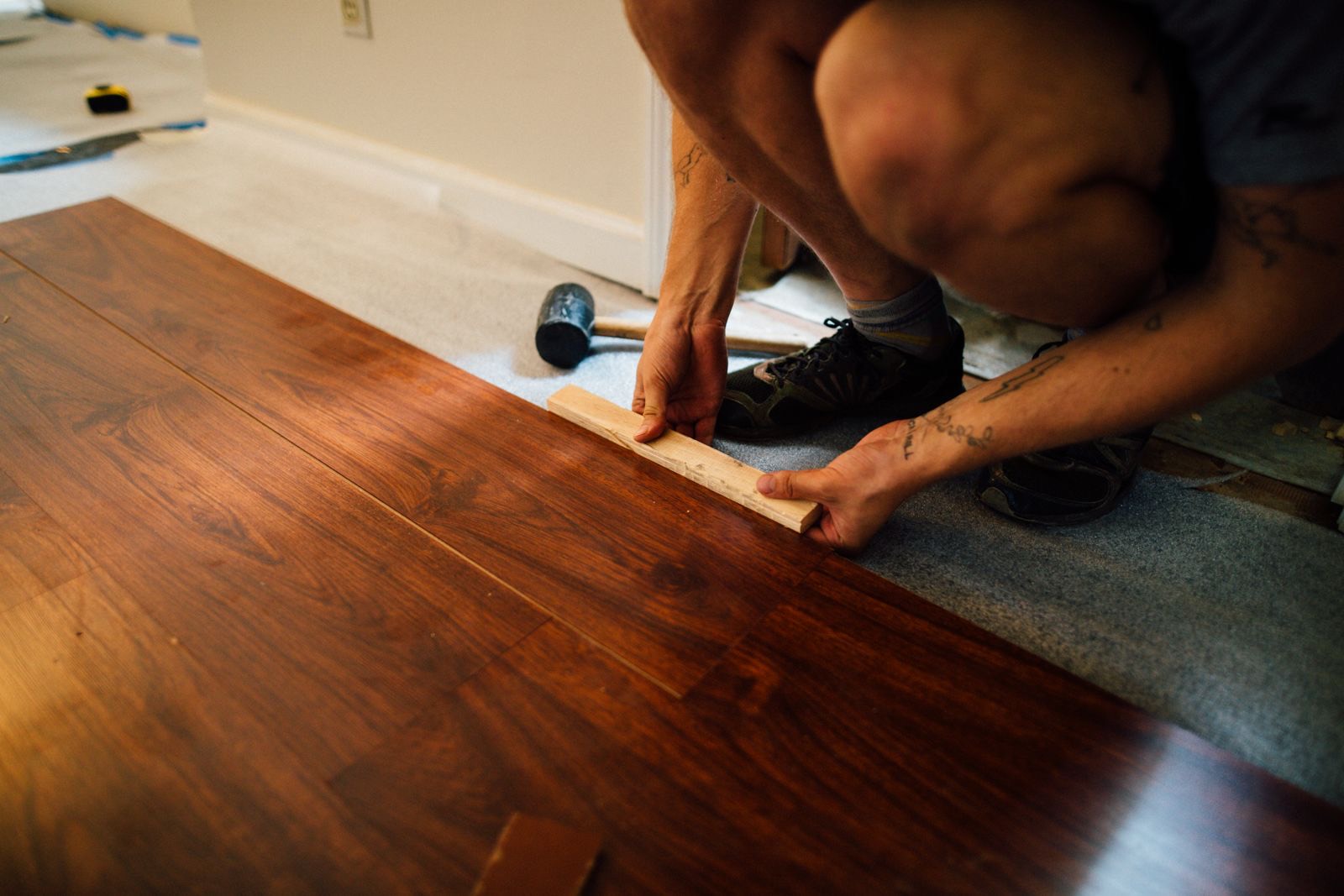
Wood and laminate acclimate to your home's humidity first, then everything is installed with proper expansion gaps, tight seams, and layout planned so full planks land where they show.
Trim, transitions & clean-up
Shoe molding, transitions, and thresholds finish the edges; we vacuum, wipe down, and walk the job with you. For site-finished hardwood, that includes sanding, staining, and coating.
What Goes Into Your Quote
What moves a laminate quote
Laminate is one of the more budget-friendly floors installed, but the final number still depends on the grade you choose and the prep your subfloor needs. We measure, check the subfloor, and itemize it all so there are no surprises — the precision behind our on-time, on-budget guarantee.
We take on projects of 350 square feet and up, quoted after an in-home measure.
Product grade
AC rating, thickness, water resistance, and realism set the material cost from value to premium.
Underlayment
Attached-pad products cost more per board; separate underlayment is its own line — both affect feel and quiet.
Subfloor prep
Flattening and moisture control add labor where the subfloor needs it, and it's essential for a quiet floor.
Tear-out & haul-away
Removing old flooring and disposing of it is real labor, especially carpet and pad or glued-down goods.
Layout & rooms
Open floors install fast; many small rooms, closets, and cuts add time.
Stairs & trim
Stairs are priced separately, and new shoe molding and transitions finish the job.
Why Homeowners Choose It
Where laminate is the right call
Excellent scratch resistance
Laminate's hard wear layer is one of the toughest around — a favorite for homes with dogs and heavy foot traffic.
Budget-friendly
Cover a whole house in a convincing wood look for well under the cost of hardwood, with fast installation to match.
Realistic wood looks
Embossed textures and high-definition printing make modern laminate read like real oak, hickory, and walnut.
Low maintenance
Sweep and damp-mop — no refinishing, no waxing. Just keep standing water off the seams and it lasts for years.
Comfortable underfoot
Over quality underlayment, laminate feels solid and a bit warmer and softer than tile, with a satisfying, quiet step.
Fast to install
The click-lock, floating design goes down quickly and can often install over existing hard-surface floors.
Living With It
Keeping laminate looking sharp
Laminate is genuinely low-maintenance — the one rule is to respect its fiberboard core and keep standing water off the seams.
Dry-mop and vacuum
Sweep or vacuum (beater bar off) to keep grit from scratching. Laminate's hard surface does the rest of the work.
Damp, never wet
A well-wrung damp mop and a laminate-safe cleaner only. No soaking wet mops or steam — moisture is laminate's one weakness.
Wipe spills promptly
Don't let water, pet accidents, or drinks pool on the seams. A quick wipe keeps the core from ever swelling.
Felt pads & mats
Felt pads under furniture and walk-off mats at doors stop the scratches and grit that dull the wear layer.
No wax or polish
Laminate never needs waxing or refinishing — those products can leave a haze. Just clean and go.
Lift heavy items
Lift furniture and appliances instead of dragging them across the boards to avoid gouges.
Laminate FAQ
Common laminate flooring questions
What's the difference between laminate and luxury vinyl plank?
Both give you a wood look for less than hardwood, but the core is different. Laminate has a dense fiberboard (HDF) core with a photographic wood image and a very hard wear surface — it's excellent at resisting scratches and dents and often feels a touch more like real wood underfoot. Luxury vinyl has a plastic core that's fully waterproof. If scratch resistance and price are the priority and the room stays dry, laminate is a great value; for genuinely wet rooms, LVP wins.
Is laminate flooring waterproof?
Standard laminate is water-resistant, not waterproof — its fiberboard core can swell if water sits on the seams or it gets soaked, so it's best kept out of full bathrooms and away from major spill risks. Some newer laminates are rated water-resistant for longer exposure, and those expand the rooms it fits. But for genuinely wet areas we'll point you to waterproof luxury vinyl or tile instead. For living rooms, bedrooms, and hallways, laminate performs beautifully.
What does the AC rating mean?
AC (Abrasion Class) is laminate's durability rating, from AC1 to AC5. It measures how well the wear layer stands up to abrasion and traffic. For a typical home, AC3 is a solid residential grade; AC4 and AC5 add toughness for very busy households or light-commercial use. We recommend a rating matched to your traffic so the floor holds up for years rather than showing wear early.
Does laminate scratch easily?
Quite the opposite — scratch resistance is one of laminate's biggest strengths. The clear wear layer over the printed surface is very hard, which is why laminate is a favorite in homes with dogs and heavy foot traffic. Its AC rating tells you how tough it is; we steer clients toward a grade built for residential traffic so it keeps looking new.
Can laminate be refinished if it wears out?
No — unlike solid hardwood, laminate can't be sanded or refinished because the wood look is a printed layer, not real wood. When it eventually wears or you want a new look, it's replaced rather than restored. That's the trade-off for its lower upfront cost, and a quality laminate still lasts a long time under normal use before that day comes.
Do I need underlayment under laminate?
Yes — laminate is a floating floor, and a quality underlayment is what makes it feel solid and quiet rather than hollow and clicky. It cushions the floor, dampens sound, smooths minor subfloor imperfections, and on concrete it adds a moisture barrier. Some laminate comes with an attached pad; where it doesn't, we install the right underlayment for your subfloor. Either way, the subfloor still needs to be flat first.
Gallery
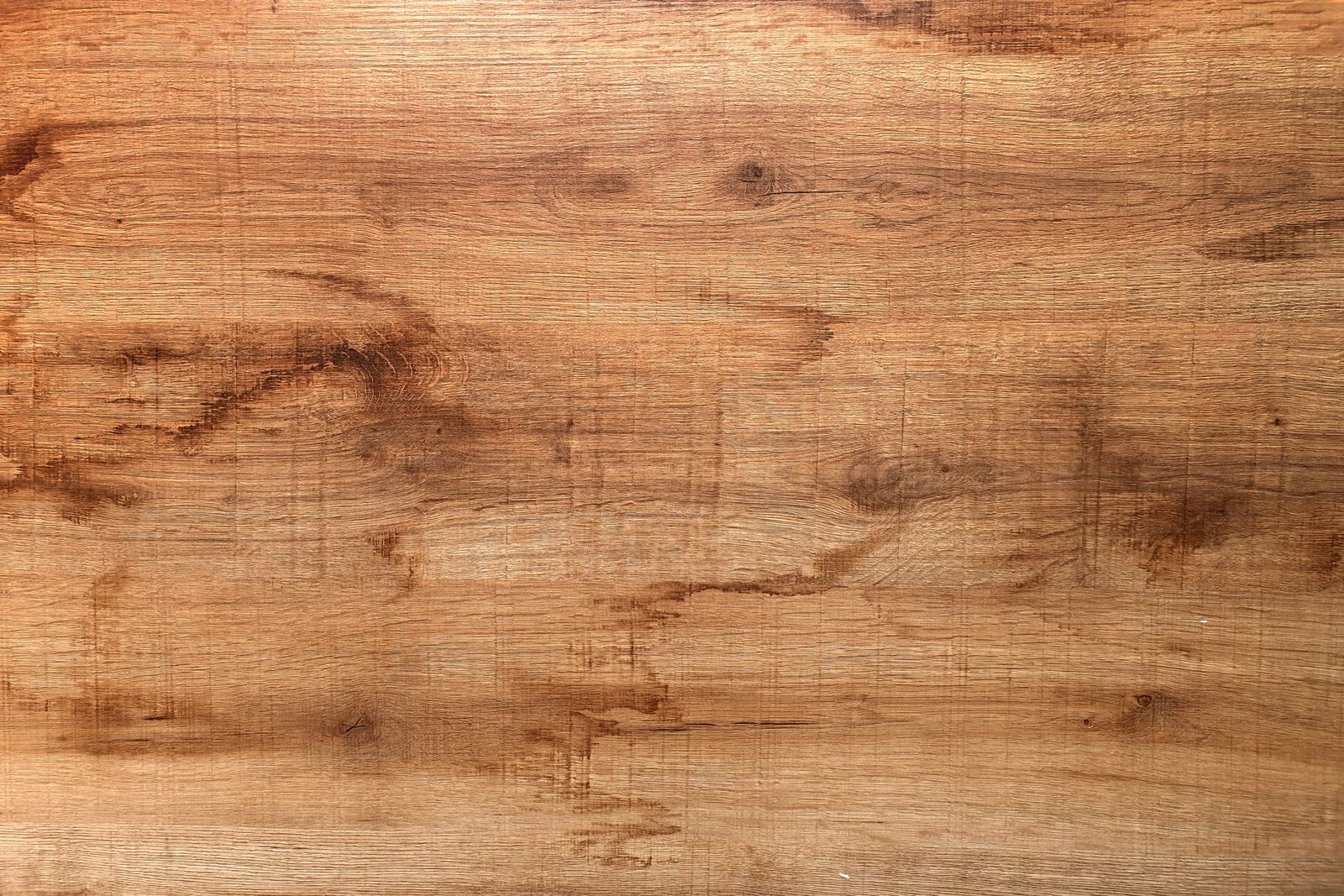
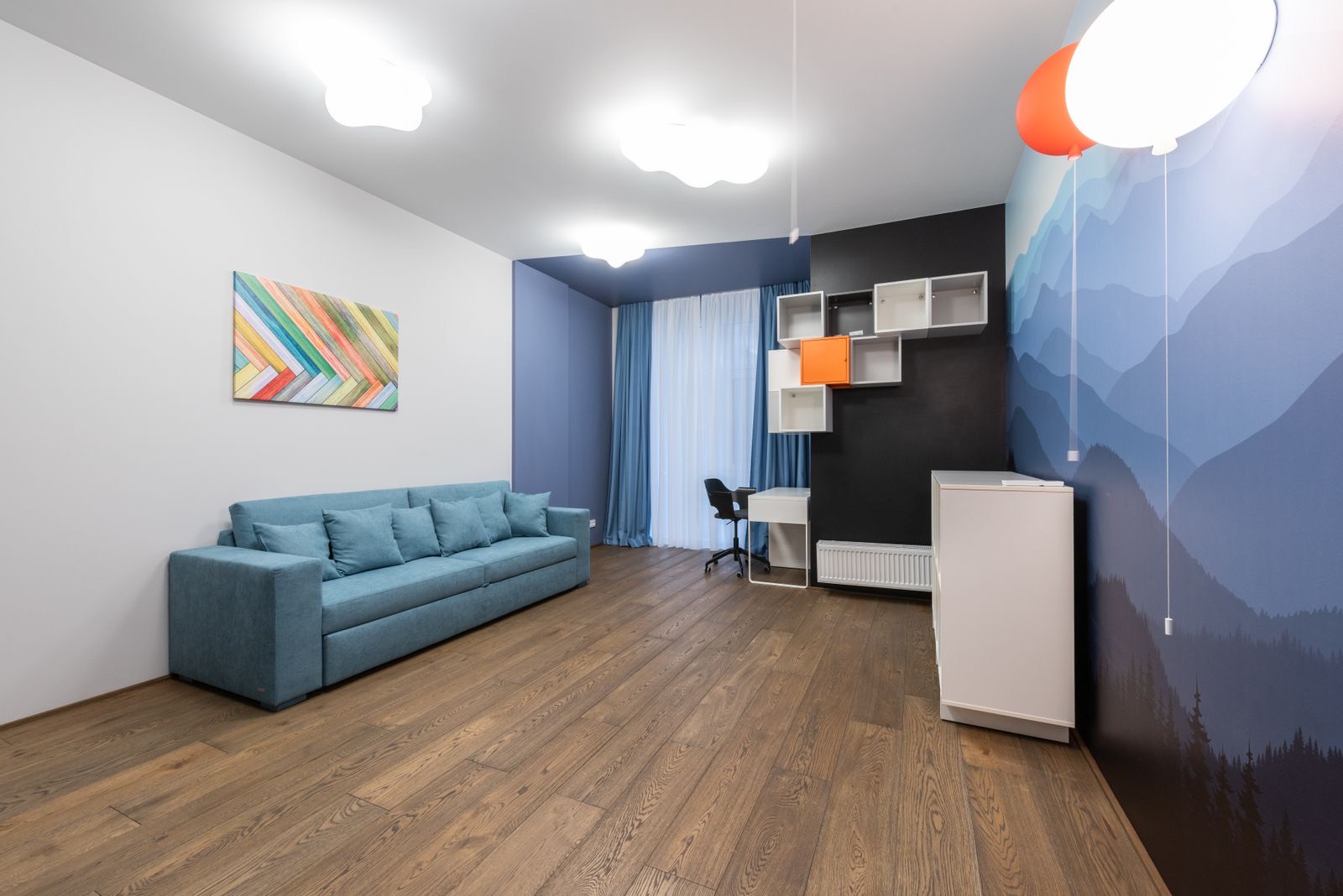
Laminate in Real Spaces
Get your laminate floors quoted.
Free in-home quotes across the Raleigh Triangle. Tell us about your space and we'll bring samples and a clear, itemized price — no pressure, no obligation.
On-Time, On-Budget Guarantee · Licensed & insured · Free quotes