Hardwood Flooring · Raleigh & Fuquay-Varina, NC
Real hardwood, installed to last a generation.
Nothing else looks or lasts like real wood. Solid and engineered hardwood in oak, maple, and hickory — installed flat and tight over a properly prepped subfloor, and refinishable for decades to come.
- Engineered wood
- Solid &
- For decades
- Refinishable
- In-home quotes
- Free
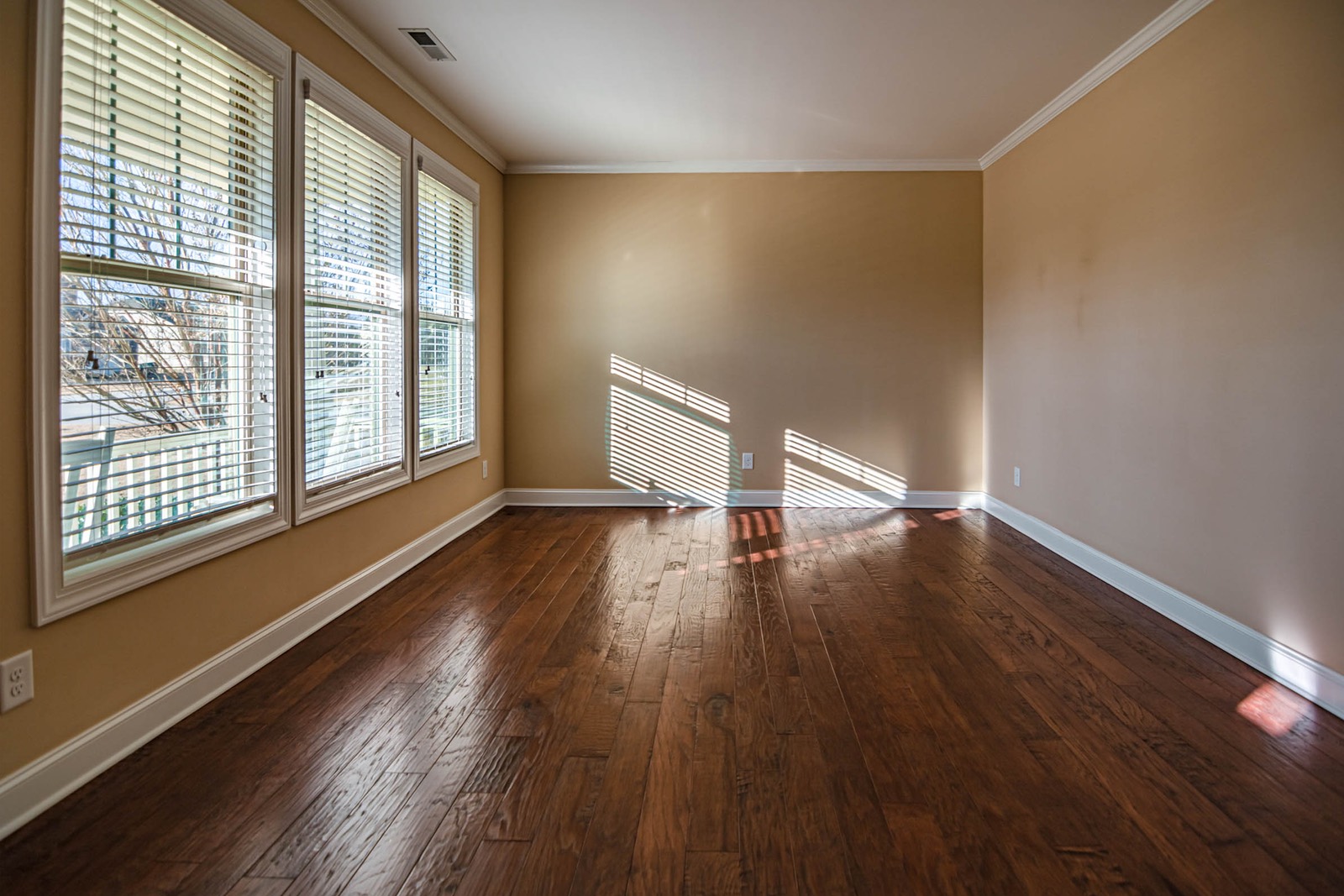
Why Hardwood
The only floor that adds value the longer you keep it.
Hardwood is the floor buyers ask for by name. It brings warmth, depth, and character no photograph-printed product can match, and because it’s solid wood, it can be sanded and refinished when it wears or when tastes change — the same floor can look brand new three or four times over its life. That’s why a real wood floor is one of the few home upgrades that tends to return more than it costs at resale.
Hardwood also lives beautifully in the Triangle’s housing mix. In older homes inside Raleigh’s Beltline, original oak hides under decades of carpet, waiting to be uncovered. In the newer subdivisions around Fuquay-Varina, Holly Springs, and Apex, wide-plank white oak turns an open main floor into something that feels custom. We work in both.
The look you see, though, is only half the job. A hardwood floor is only as flat, quiet, and long-lasting as the subfloor and the install beneath it. We check the subfloor for flatness and moisture, let the wood acclimate to your home’s humidity, and fasten and space it so it moves with the seasons instead of gapping, cupping, or squeaking. Rushing any of those steps is exactly what turns a decades-long floor into a callback.
What a hardwood install includes
- Subfloor inspection for flatness, moisture, and squeaks
- Leveling of low spots and re-securing loose panels
- On-site acclimation of the wood to your home's humidity
- Solid or engineered hardwood in your species and finish
- Tight, staggered layout with proper wall expansion gaps
- Site sanding, staining & sealing (for unfinished floors)
- Shoe molding, transitions, and thresholds installed
- Old-floor tear-out and haul-away as needed
Scope varies with your subfloor and whether the floor is prefinished — your quote is itemized after we’ve seen the space.
Solid vs. Engineered
Two kinds of real hardwood — and where each one wins
Both are genuine wood on the surface. The difference is what’s underneath, and it decides which rooms each one belongs in.
Solid hardwood
A single, solid piece of wood, typically 3/4″ thick. Its biggest advantage is longevity: it can be sanded and refinished many times, so it can last the life of the house and be restyled again and again. It’s the classic choice for main-level living areas, bedrooms, and hallways over a wood subfloor.
- Refinishable many times over decades
- Best long-term value and resale appeal
- Ideal for main floors over a wood subfloor
- More sensitive to moisture — not for basements or slabs
Engineered hardwood
A real-wood veneer bonded over a cross-layered plywood core. That core barely moves with humidity, so engineered stays flat in basements, over concrete slabs, and in rooms where solid wood would cup or gap. The surface is genuine hardwood, so it looks identical underfoot.
- Stable in humidity, basements, and over slabs
- Real-wood surface — same look as solid
- Often more affordable and faster to install
- Refinishable once or twice with a thick veneer
Choosing Your Hardwood
The four decisions that shape your floor
Species, plank width, grade, and finish combine into a nearly unlimited range of looks. Here's what each one changes.
Species & hardness
White oak (hard, tight-grained, neutral, on-trend), red oak (warm, classic, budget-friendly), hickory (the hardest — dramatic grain, hides wear), and maple (fine grain, light, modern). Harder species shrug off dents from pets and traffic.
Plank width
Narrow strip reads traditional and is very stable; wide plank (7"+) looks modern and shows off the grain with fewer seams but needs a flat, dry subfloor. Mid-width is the popular middle ground.
Grade & character
Select grades are clean and uniform for a calm, formal look; character grades keep more knots, streaks, and color variation for a rustic, lived-in feel. Neither is 'better' — it's the look you want.
Stain & sheen
From light natural whites to rich espresso tones. Matte and satin finishes hide scratches and dust and read modern; higher-gloss finishes show more but feel formal. Site-finished floors open up custom stain colors.
Prefinished vs. Site-Finished
Finished at the factory, or finished in your home
Prefinished boards arrive sanded, stained, and sealed from the factory with a tough, often aluminum-oxide finish. Installation is faster and cleaner — there’s no on-site sanding dust or finish odor, and you can usually walk on the floor right away. The trade-off is small micro-bevels between boards (which some people love) and a fixed set of factory colors.
Site-finished floors go down raw and are then sanded, stained, and coated in place. The result is a perfectly smooth, seamless surface with no bevels and unlimited stain options — you can color-match existing floors or dial in an exact tone. It takes more days on site and requires dry time between coats, but for a flawless, fully custom finish it’s hard to beat.
Neither is objectively better. If speed and mess-free installation matter most, prefinished wins; if you want a seamless surface or a specific custom color, site-finished is the way. We’ll walk you through samples of both.
Quick comparison
- Install speed
- Prefinished is faster
- Dust & odor
- Prefinished has almost none
- Surface
- Site-finished is seamless & smooth
- Color choice
- Site-finished is unlimited
- Custom matching
- Site-finished matches existing floors
- Walk-on time
- Prefinished, often same day
See the Difference
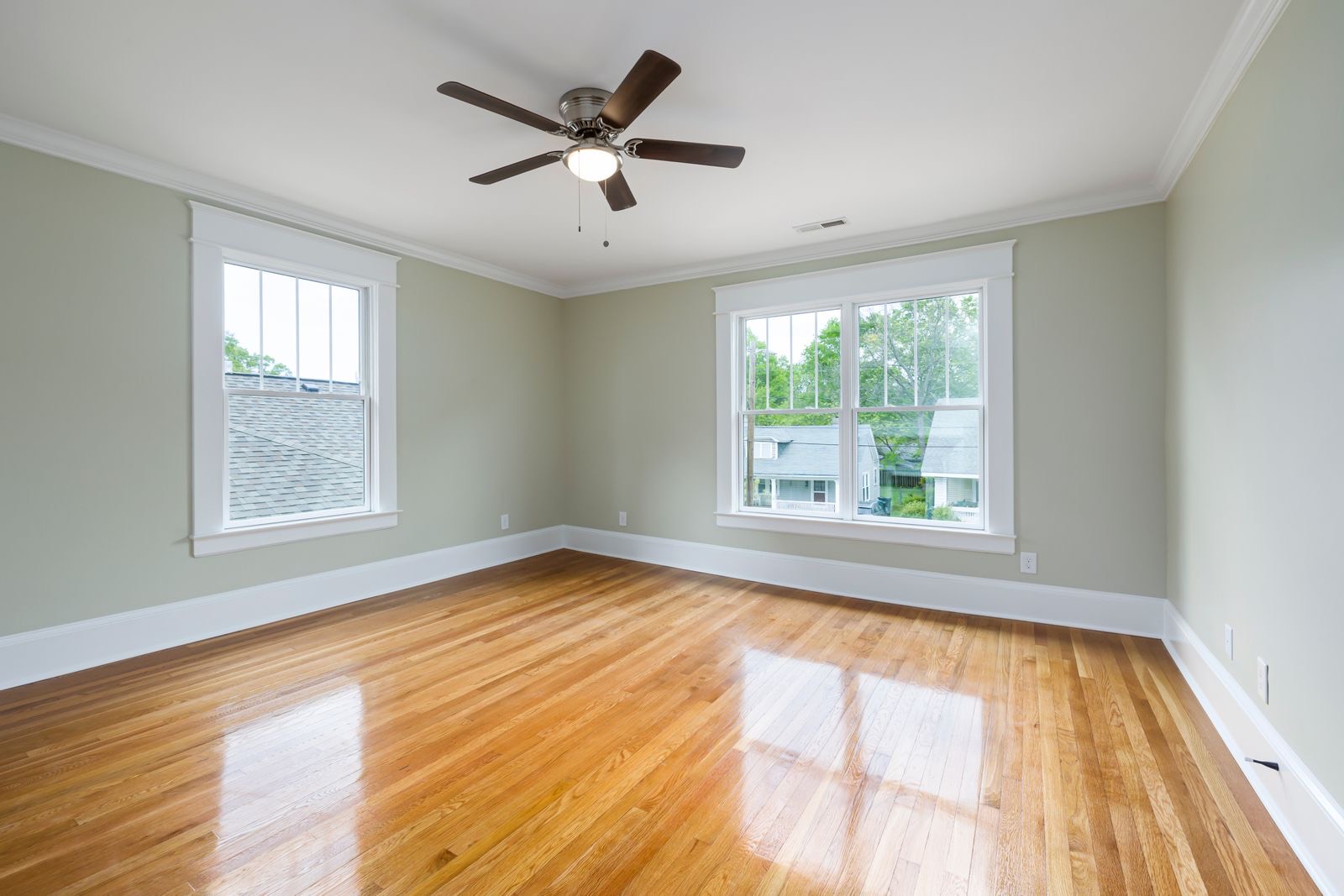
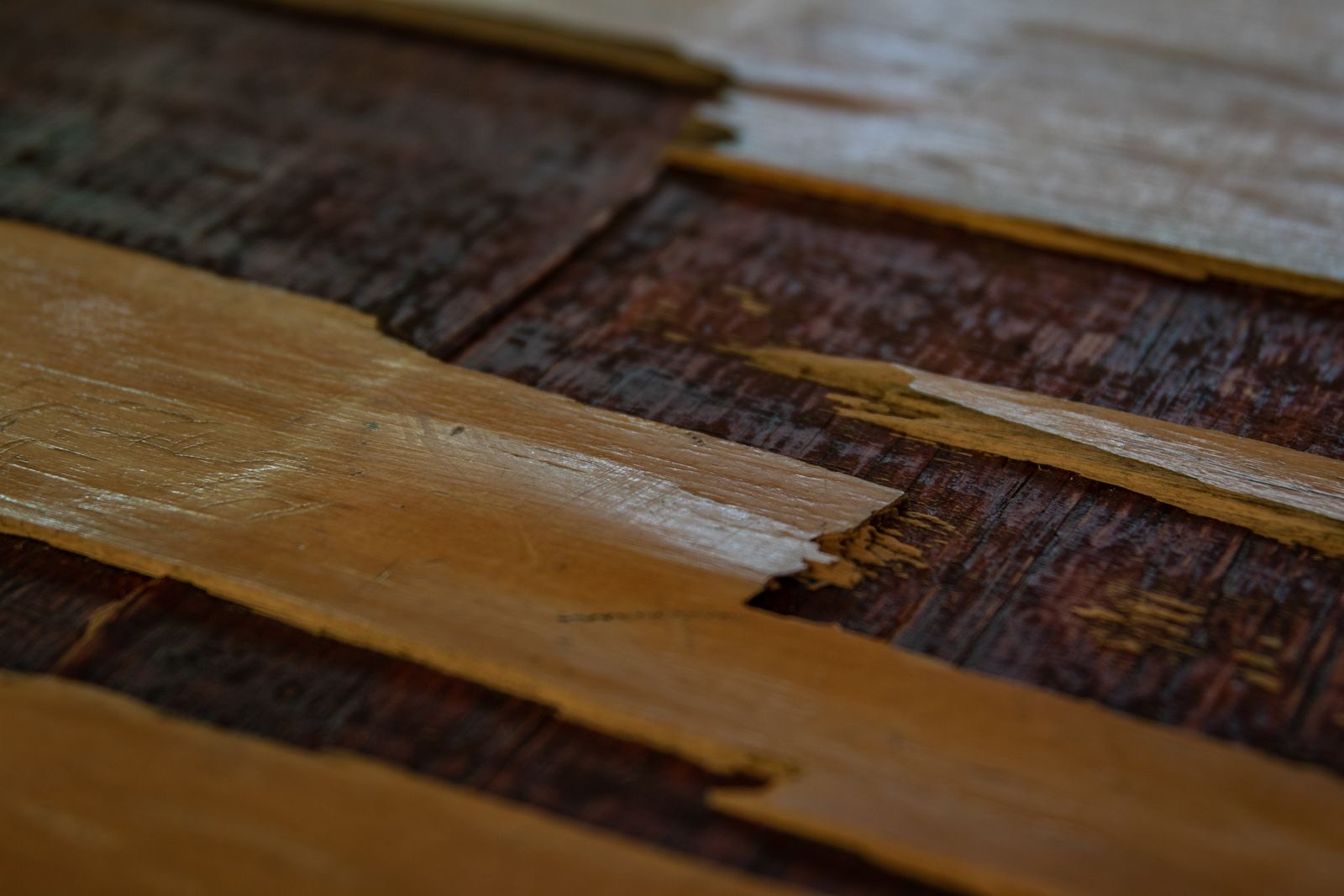
Same hardwood, refinished.
Drag the handle. Worn, scratched, sun-faded hardwood usually doesn’t need replacing — sanding it down and re-coating brings decades-old floors back to better than new, for a fraction of the cost.
How It's Installed
Five steps, and none of them get skipped.
Fast doesn’t mean rushed. Every step below exists because skipping it is what turns a floor that lasts decades into one that fails, gaps, or squeaks in a couple of years.
In-home measure & itemized quote
We measure every room, look at the subfloor and what's coming out, and help you match the right material to how each space is used. You get an itemized price before any work begins.
Tear-out & haul-away
Old flooring, tack strip, and staples come up and out. We check the subfloor underneath as it's exposed — this is where hidden water damage and soft spots turn up.
Subfloor prep & moisture check
Low spots get leveled, high spots ground down, loose panels re-secured, and squeaks fixed. Wood and laminate go over a moisture-checked, flat subfloor — never a wavy one.
Acclimation & precise install
Wood and laminate acclimate to your home's humidity first, then everything is installed with proper expansion gaps, tight seams, and layout planned so full planks land where they show.
Trim, transitions & clean-up
Shoe molding, transitions, and thresholds finish the edges; we vacuum, wipe down, and walk the job with you. For site-finished hardwood, that includes sanding, staining, and coating.
What Goes Into Your Quote
Why two hardwood floors can price very differently
We don’t publish flat per-square-foot pricing because an honest hardwood quote depends on your specific floor. Two homes the same size can land far apart once you account for the material and the labor each one actually needs. When we come out, we measure, look at the subfloor, and itemize all of it so there are no surprises — which is what lets us stand behind our on-time, on-budget guarantee.
We take on hardwood projects of 350 square feet and up. A precise, in-home measurement is the only way to give you a number worth trusting.
Material & species
Exotic and harder species and premium grades cost more than a standard red oak.
Solid vs. engineered
Engineered is often more affordable installed; premium thick-veneer engineered can cost more.
Prefinished vs. site-finished
Site sanding, staining, and coating add labor and days versus a prefinished install.
Subfloor prep
Leveling, moisture remediation, and squeak repair add labor when the subfloor needs it.
Tear-out & haul-away
Removing and disposing of old flooring — especially glued-down or multiple layers — takes real labor.
Stairs & detail work
Stairs are priced per step, and intricate layouts, borders, or transitions add time.
Why Homeowners Choose It
What you get with real wood
Refinish, don't replace
Solid hardwood can be sanded and re-coated several times. Scratches, dullness, even a dated stain color are reversible without tearing anything out.
Top resale value
Real hardwood consistently sits at the top of buyer wish lists and returns more at resale than almost any other flooring upgrade.
Timeless, not trendy
Wood grain never goes out of style. A quality oak floor looks as right in twenty years as it does the day it's installed.
Warmer and healthier
Wood feels warm underfoot and doesn't trap dust, dander, and allergens the way carpet can — a real difference for allergy-prone homes.
Endless looks
Species, plank width, grade, and stain combine into a nearly unlimited range — from light modern white oak to rich traditional tones.
Built for our climate
Acclimated and installed with proper expansion, hardwood stays flat and tight through North Carolina's humid summers and dry winters.
Living With It
Keeping hardwood beautiful for the long haul
Hardwood is low-maintenance, not no-maintenance. A few simple habits keep it looking new for decades — and stretch the years between refinishes.
Sweep and dust-mop often
Grit is the enemy — it scratches the finish underfoot. Vacuum with the beater bar off, or use a microfiber dust mop.
Damp-mop, never wet
Use a cleaner made for wood floors and a barely-damp mop. Skip steam mops and standing water, which drive moisture into seams.
Felt pads and rugs
Felt pads under furniture legs and runners in high-traffic lanes prevent the scratches and wear paths that dull a floor.
Wipe spills promptly
Water, pet accidents, and drips left to sit can stain or swell wood. A quick wipe keeps them from ever becoming a problem.
Manage humidity
Keeping indoor humidity in a comfortable range minimizes the seasonal gapping and cupping that come with big swings.
Recoat before you refinish
A fresh maintenance coat every few years renews the finish without a full sanding — the cheapest way to keep floors like new.
Hardwood FAQ
Common hardwood flooring questions
Should I choose solid or engineered hardwood?
Solid hardwood is a single piece of wood that can be sanded and refinished many times, which makes it ideal for main living areas and homes you plan to keep for years. Engineered hardwood is real wood over a stable plywood core, so it handles humidity and slab-on-grade or basement installs better and is the smarter pick where solid wood would cup or gap. Both give you a genuine wood surface — we help you weigh species, finish, and where it's going before you decide.
Which hardwood species holds up best?
For busy households, harder species like white oak, hickory, and maple resist dents and wear better than softer woods. White oak in particular is popular right now for its tight grain, neutral tone, and durability; red oak is a warm, budget-friendly classic; hickory is the hardest common domestic species and hides wear beautifully. Softer or exotic species can be stunning but show wear sooner — worth knowing if you have big dogs or heavy traffic.
Prefinished or site-finished — what's the difference?
Prefinished boards arrive sanded and sealed from the factory, so installation is faster and there's no sanding dust or finish smell in the home. Site-finished floors are installed raw, then sanded, stained, and coated in place — which gives a perfectly smooth, seamless surface and unlimited stain choices, at the cost of extra days and dry time. Both are excellent; the right one depends on your schedule and the exact look you want.
How wide should my planks be?
It's mostly a style choice. Narrow strip flooring (under 3 inches) reads traditional and is very stable; wide planks (7 inches and up) look modern, show off the grain, and mean fewer seams, but they move more with humidity so they demand a flat, dry, well-prepped subfloor. Mid-width planks (3–6 inches) are the popular middle ground. We'll help you match plank width to your home's style and subfloor.
Does hardwood work in North Carolina's humidity?
Yes, with proper handling. Wood expands and contracts with moisture, so we let the flooring acclimate in your home for several days first, check the subfloor's moisture level, and leave a small expansion gap at the walls hidden under the baseboards. You may notice slightly larger gaps between boards in dry winter months and tighter joints in humid summers — that seasonal movement is normal and expected. Done right, a hardwood floor stays flat and tight through Triangle seasons for decades.
How do I keep hardwood floors looking new?
Keep grit and standing water off them. Sweep or vacuum (with the beater bar off) regularly so sand doesn't act like sandpaper, put felt pads under furniture legs, and use walk-off mats at exterior doors and runners in high-traffic paths. Clean with a barely-damp mop and a cleaner made for wood floors — never a soaking-wet mop or a steam mop, both of which drive moisture into the seams. Wipe spills promptly and keep indoor humidity in a comfortable range.
Can old hardwood be brought back instead of replaced?
Very often, yes — if the boards are solid and structurally sound, refinishing restores them for a fraction of replacement cost. We frequently pull up old carpet to find original oak underneath that just needs sanding and a fresh finish. See our hardwood refinishing service for the details; if the wood is too far gone or you want a different look, we'll tell you honestly and talk through new hardwood instead.
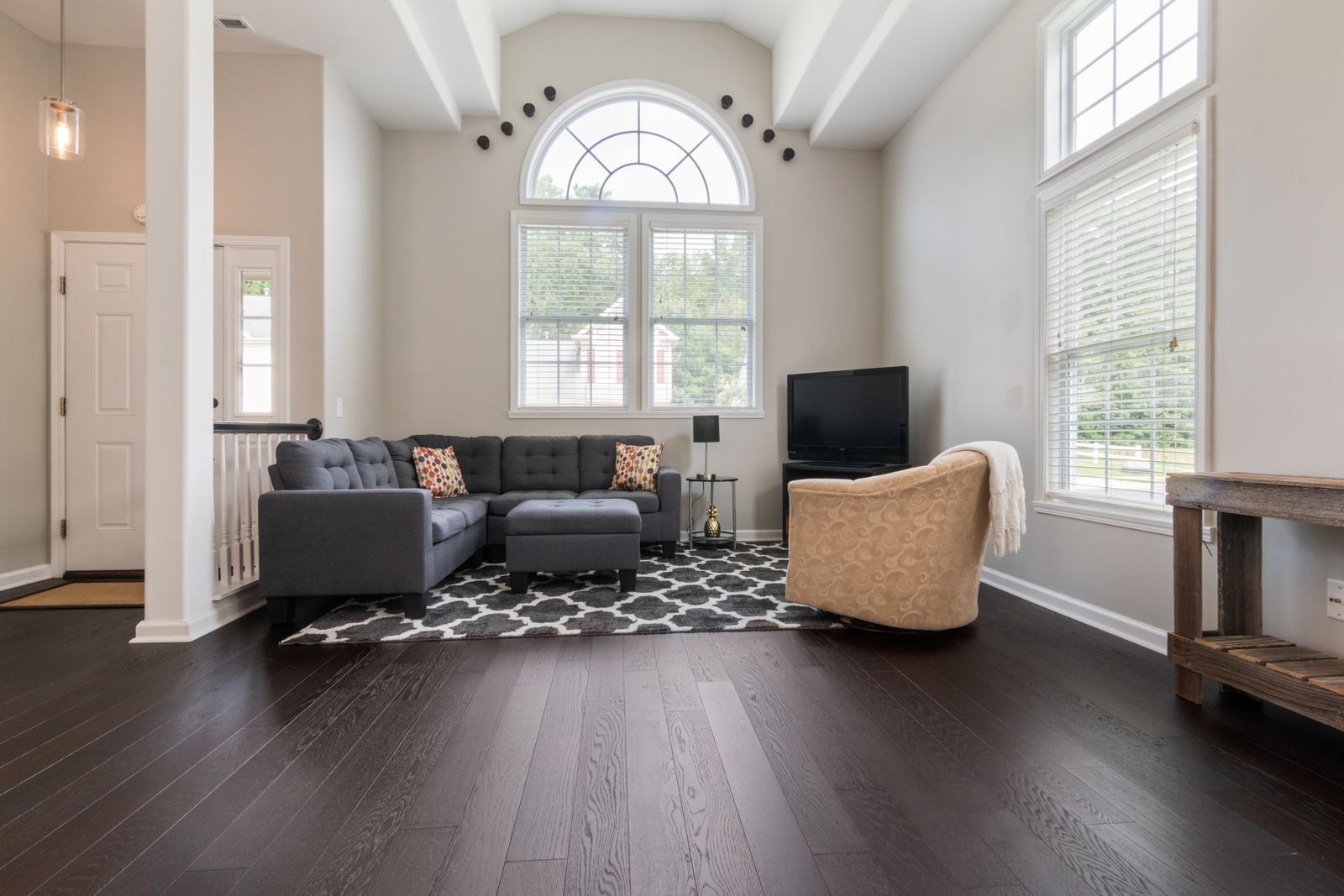
Gallery
Hardwood in Real Spaces
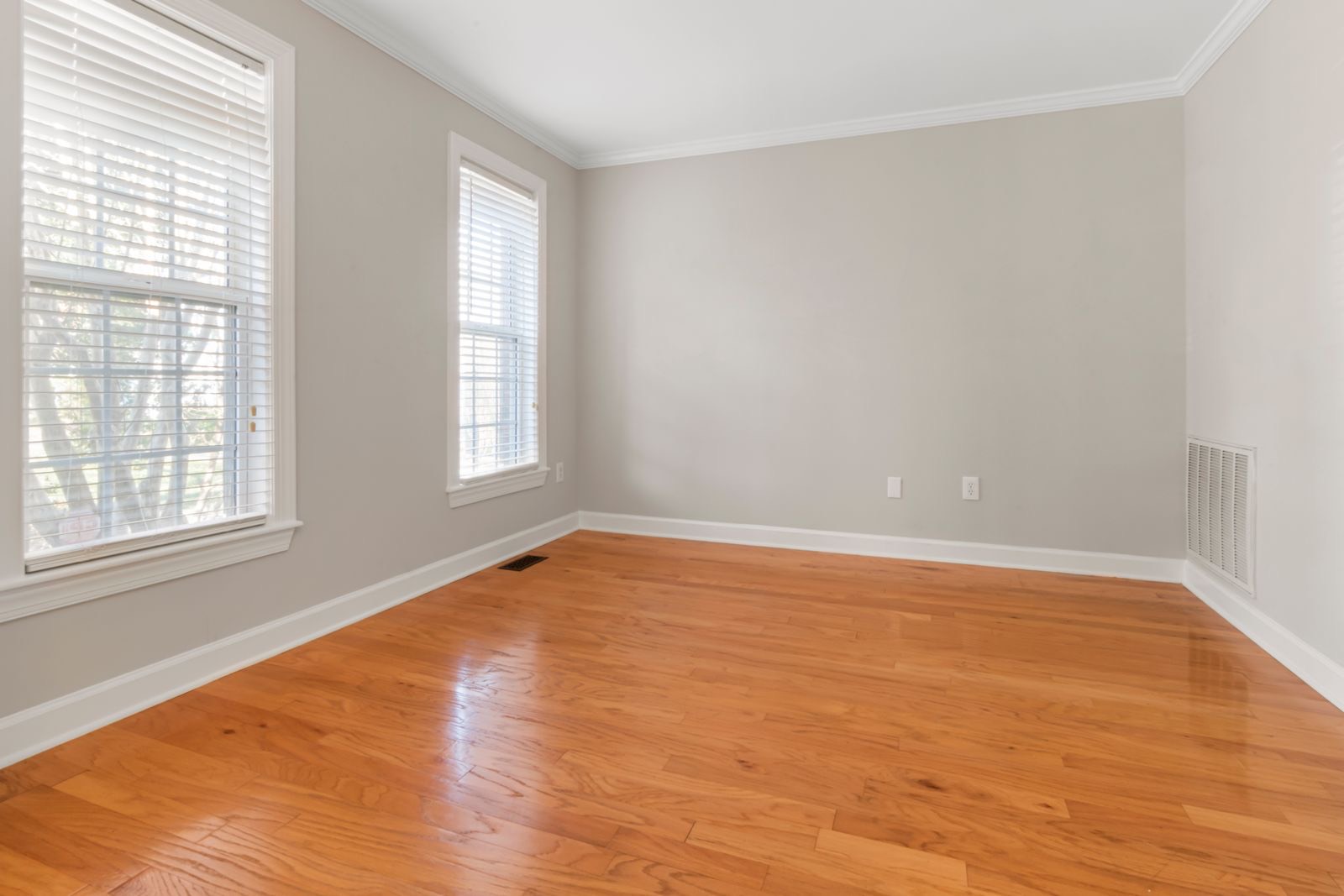
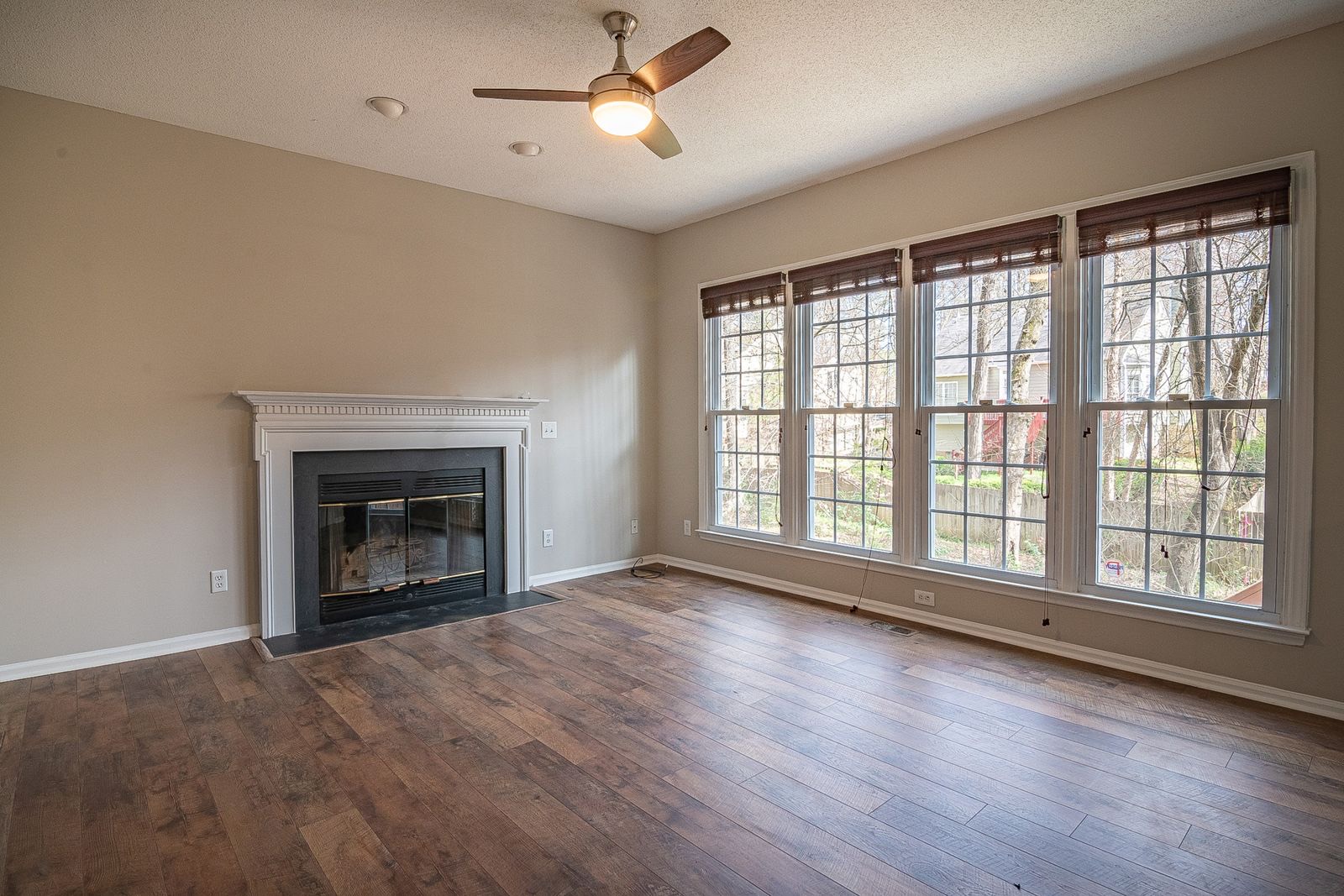
Get your hardwood floors quoted.
Free in-home quotes across the Raleigh Triangle. Tell us about your space and we'll bring samples and a clear, itemized price — no pressure, no obligation.
On-Time, On-Budget Guarantee · Licensed & insured · Free quotes