Sport Flooring · Raleigh & Fuquay-Varina, NC
Floors engineered for the way you move on them.
Home gyms, studios, rec rooms, and courts — rubber, foam, vinyl sport surfaces, and hardwood athletic systems, specified with the right subfloor so they absorb impact and protect joints.
- & courts
- Gyms, studios
- Absorbing systems
- Shock-
- On-site quotes
- Free
Why Sport Flooring
The surface is only half of it — the system is the rest.
Sport flooring is engineered, not just installed. Whether it’s rubber in a home gym or a maple floor on a basketball court, the performance you feel — the shock absorption, the slip resistance, the ball response — comes from the whole assembly, including the cushioned subfloor system beneath the surface. That’s what protects joints and makes the floor perform consistently.
The range is wide because the uses are. Home gyms want durable, impact-absorbing rubber that shrugs off dropped weights. Dance and fitness studios want controlled give. Courts want a proper hardwood athletic system. We spec the surface and the subfloor to the actual activity and level of play.
From a garage-gym rubber floor to a full court build, we handle the assembly end to end — the part that determines whether the floor looks the part or actually performs.
Sport spaces we floor
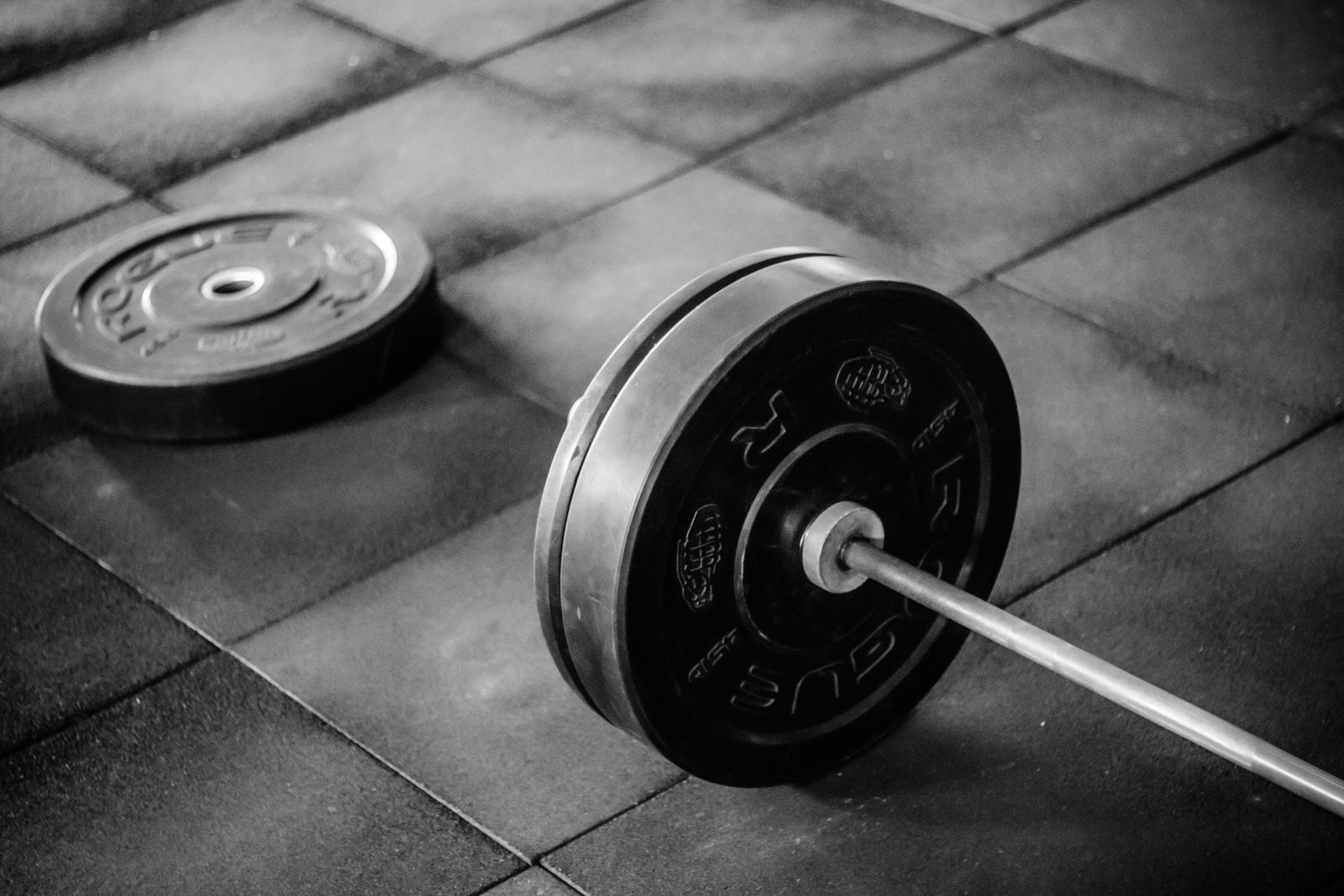
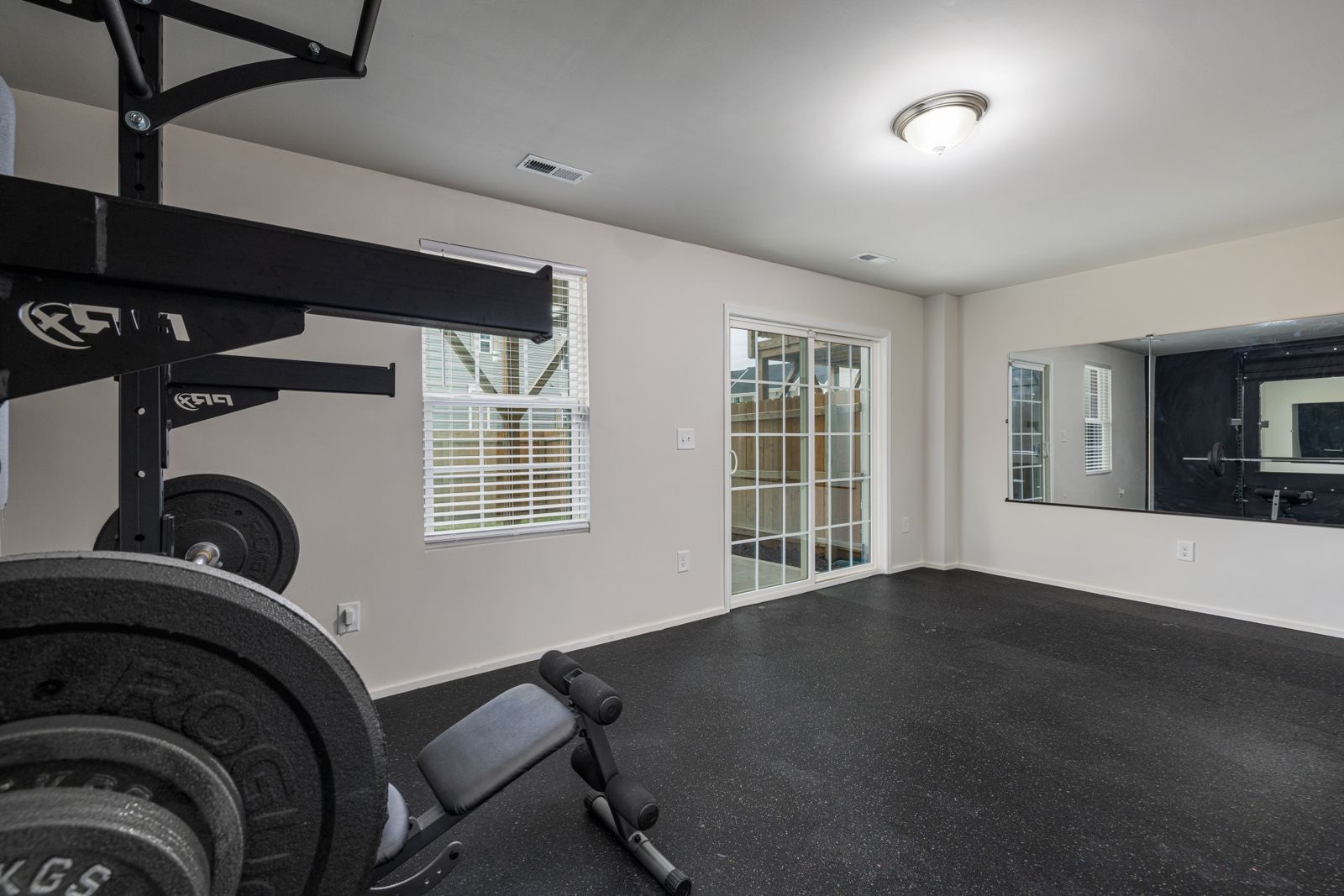
- Home gyms and garage gyms (rubber)
- Fitness, dance, and yoga studios
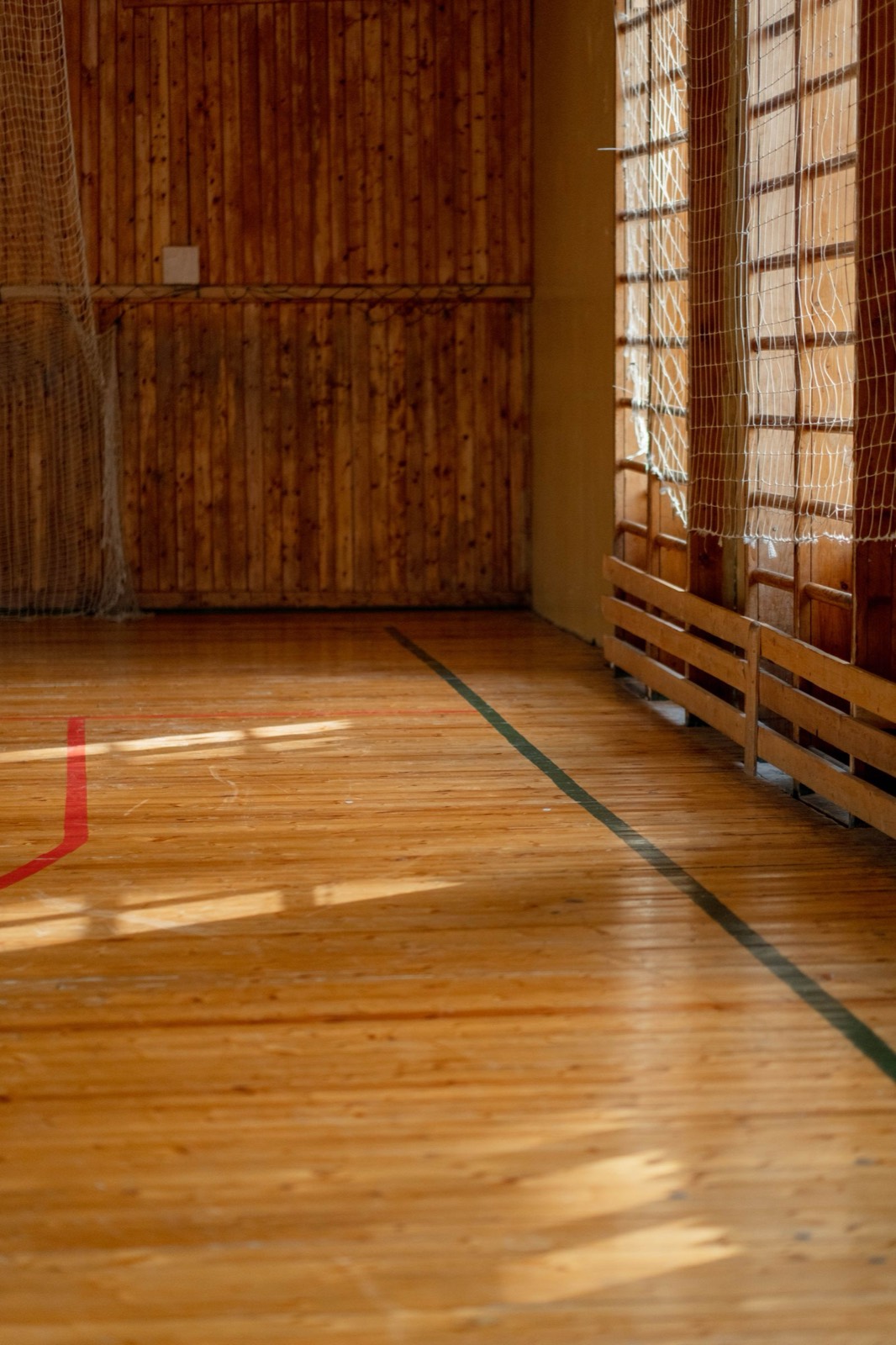
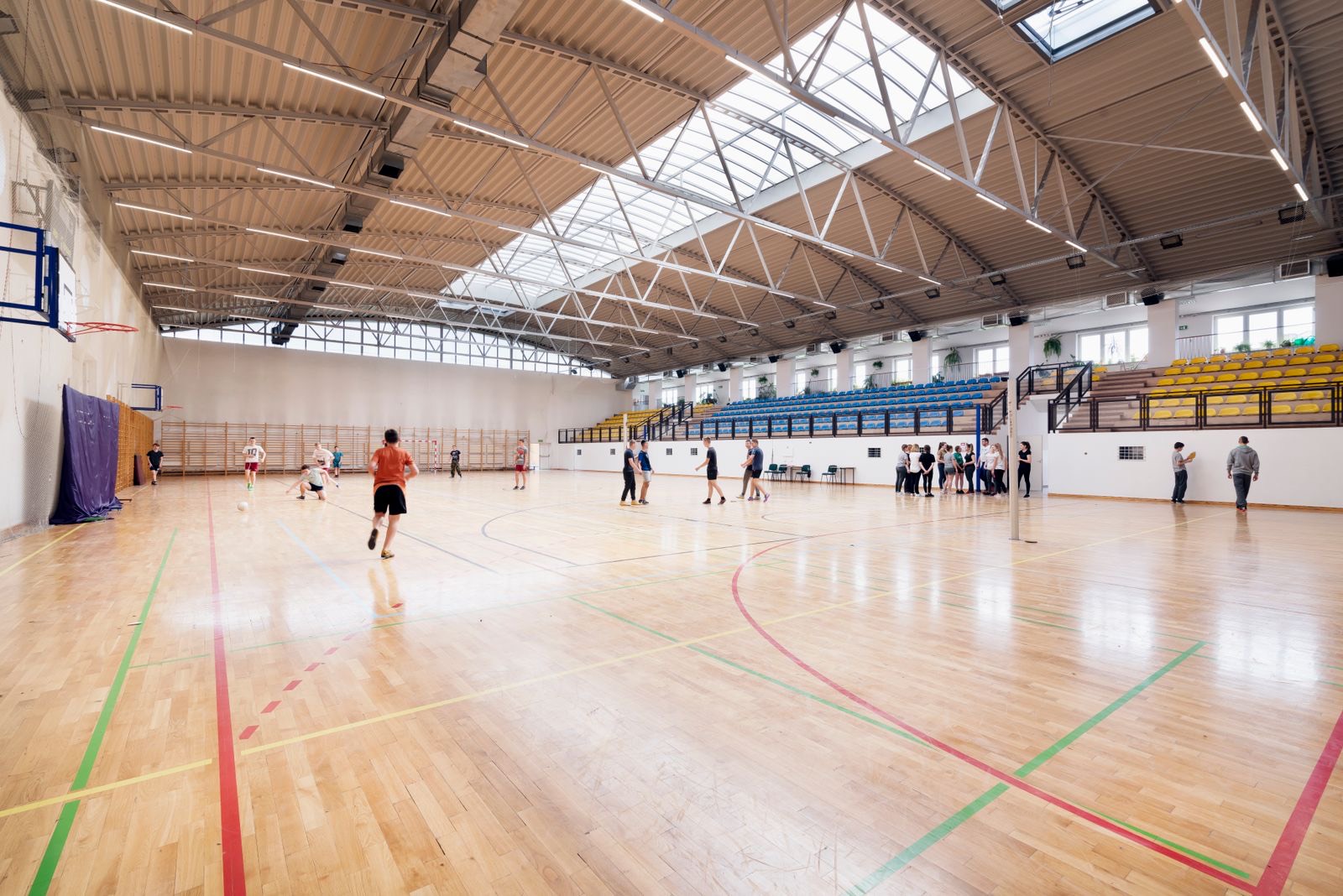
- Basketball, volleyball & multi-sport courts (maple)
- Rec rooms, bonus rooms, and playrooms
- Cushioned subfloor systems for shock absorption
- Rubber, foam, and vinyl sport surfaces
- Product and thickness matched to the activity
Scope varies widely by sport and system — your quote is itemized after we’ve seen the space.
Types of Sport Flooring
Different sports, different surfaces
There’s no single “sport floor.” The surface is chosen for the activity, the impact it takes, and how it needs to perform.
Rubber
Tiles, rolls, or mats — the durable, impact-absorbing standard for home and commercial gyms, weight rooms, and garages.
Foam & interlocking
Lighter, softer tiles for kids' playrooms, yoga, and light-activity spaces where cushion matters more than heavy-load durability.
Vinyl sport surface
Roll-out or tile vinyl athletic flooring for multipurpose rooms, aerobics, and courts that need a consistent, grippy playing surface.
Hardwood athletic
Maple court systems over a cushioned subframe for basketball, volleyball, and multi-sport — the premium, high-performance option.
The Assembly
Performance is engineered underneath the surface
The reason two sport floors that look identical can feel completely different is the system beneath them. Athletic flooring is designed to absorb impact and return energy in a controlled way — protecting ankles, knees, and backs — and that behavior is built into the pads, sleepers, or underlayment under the playing surface. A maple court without its cushioned subframe is just a hard wood floor.
That’s why we build the whole assembly, not just the top layer. We consider the sport and level of play, the impact the floor takes, the moisture in the space (especially over slabs and in basements), and how the room is used, then spec a system that performs safely and holds up. Getting the layers right is the difference between a floor that just looks athletic and one that actually is.
What a good system delivers
- Shock absorption that protects joints
- Consistent ball response on courts
- Slip resistance for safe movement
- Sound and vibration dampening
- Protection for the slab or subfloor below
- Durability matched to the level of play
How It's Installed
Five steps, and none of them get skipped.
Fast doesn’t mean rushed. Every step below exists because skipping it is what turns a floor that lasts decades into one that fails, gaps, or squeaks in a couple of years.
In-home measure & itemized quote
We measure every room, look at the subfloor and what's coming out, and help you match the right material to how each space is used. You get an itemized price before any work begins.
Tear-out & haul-away
Old flooring, tack strip, and staples come up and out. We check the subfloor underneath as it's exposed — this is where hidden water damage and soft spots turn up.
Subfloor prep & moisture check
Low spots get leveled, high spots ground down, loose panels re-secured, and squeaks fixed. Wood and laminate go over a moisture-checked, flat subfloor — never a wavy one.
Acclimation & precise install
Wood and laminate acclimate to your home's humidity first, then everything is installed with proper expansion gaps, tight seams, and layout planned so full planks land where they show.
Trim, transitions & clean-up
Shoe molding, transitions, and thresholds finish the edges; we vacuum, wipe down, and walk the job with you. For site-finished hardwood, that includes sanding, staining, and coating.
What Goes Into Your Quote
Why sport-floor pricing spans such a wide range
A roll of home-gym rubber and a full maple court are worlds apart, so sport flooring is priced entirely by the system the activity needs. The surface, the subfloor assembly, and the space all drive the number. We assess it in person and itemize it, the precision behind our on-time, on-budget guarantee.
We take on projects of 350 square feet and up, quoted after an on-site look.
Surface type
Rubber, foam, vinyl sport surface, or hardwood court systems span a very wide cost range.
Subfloor system
Cushioned subframes, pads, and underlayment for performance and shock absorption add materials and labor.
Thickness & spec
Heavier-duty rubber and higher-performance assemblies cost more but protect floor, equipment, and joints.
Slab & moisture prep
Over concrete and in basements, moisture control and leveling factor in.
Size & layout
Court markings, inlays, and large areas add material and labor.
Level of play
A rec-room floor and a competition court are different builds with different requirements.
Built For Performance
What a real sport floor gives you
Shock absorption
Engineered subfloor systems absorb impact and protect joints — the difference between a floor that performs and one that just looks the part.
Protects your subfloor
Rubber and cushioned systems take the abuse of dropped weights and heavy equipment so your slab or subfloor doesn't.
Slip resistance
Sport surfaces are built for sure footing during movement — critical for gyms, studios, and courts alike.
Sound and vibration control
Rubber and foam dampen the noise and vibration of workouts and play, a real plus in home and shared spaces.
Matched to the activity
Bodyweight, heavy lifting, dance, or ball sports each need a different build — we spec the surface and thickness to fit.
Court-level systems
For basketball and multi-sport courts, a proper maple athletic assembly delivers the response and protection athletes expect.
Sport FAQ
Common sport flooring questions
What's the best flooring for a home gym?
For most home gyms, rubber is the answer — it protects your subfloor from dropped weights, absorbs impact and sound, provides slip resistance, and stands up to heavy equipment. It comes as interlocking tiles, rolls, or mats in different thicknesses; the right thickness depends on whether you're doing bodyweight work, lifting heavy, or dropping loaded barbells. We match the product and thickness to your training.
Do you install hardwood sport floors for courts?
Yes — for basketball, volleyball, and multi-sport courts, a proper maple sport floor over a cushioned subfloor system delivers the ball response and shock absorption athletes expect. These are engineered assemblies, not just wood on a slab: the subfloor system is what provides the controlled 'give' that protects joints and performs consistently. We spec and install to the level of play.
Why does the subfloor system matter so much for sport floors?
Because performance and safety come from what's underneath. Sport flooring is designed to absorb shock and return energy in a controlled way, and that behavior is engineered into the subfloor system — the pads, sleepers, or underlayment beneath the surface. Skimp there and you get a hard, unforgiving floor that looks right but doesn't perform or protect. We build the whole assembly, not just the top layer.
What sport flooring works for studios and rec rooms?
It depends on the activity. Dance and aerobics studios often use sprung floors or vinyl sport surfaces for controlled give; yoga and multipurpose rooms may use rubber or foam; and finished rec rooms and bonus rooms can use rubber, foam, or a durable resilient floor depending on how they're used. Tell us what happens in the room and we'll recommend the surface built for it.
How thick should home-gym rubber flooring be?
It comes down to what you drop and how much you lift. Thinner rubber (around a quarter inch) protects the floor for cardio and light equipment; thicker rubber (three-eighths to three-quarters of an inch or more) is better for heavy free weights and helps absorb the impact — and noise — of dropped loads. Serious lifting platforms use thicker assemblies still. We help you pick a thickness that protects both your floor and your equipment.
Can you install sport flooring over concrete or in a basement?
Yes — concrete slabs and basements are common spots for home gyms, and rubber and foam systems install well over them with the right moisture consideration. For basements, we check for moisture and use products and underlayment suited to below-grade conditions, so you get a durable, comfortable training surface that holds up to both the workouts and the environment.
Gallery
Sport Floors in Action
Get your gym or court floor quoted.
Free in-home quotes across the Raleigh Triangle. Tell us about your space and we'll bring samples and a clear, itemized price — no pressure, no obligation.
On-Time, On-Budget Guarantee · Licensed & insured · Free quotes