Concrete Coatings & Finishing · Raleigh & Fuquay-Varina, NC
Garage and concrete floors that don't peel.
Durable flake and polyaspartic coatings, plus decorative concrete finishing, for garages, basements, and shop floors — with the ground-and-sealed prep that stops peeling and a finish that wipes clean and brightens the whole space.
- Sealed prep
- Ground &
- Polyaspartic
- Flake &
- On-site quotes
- Free
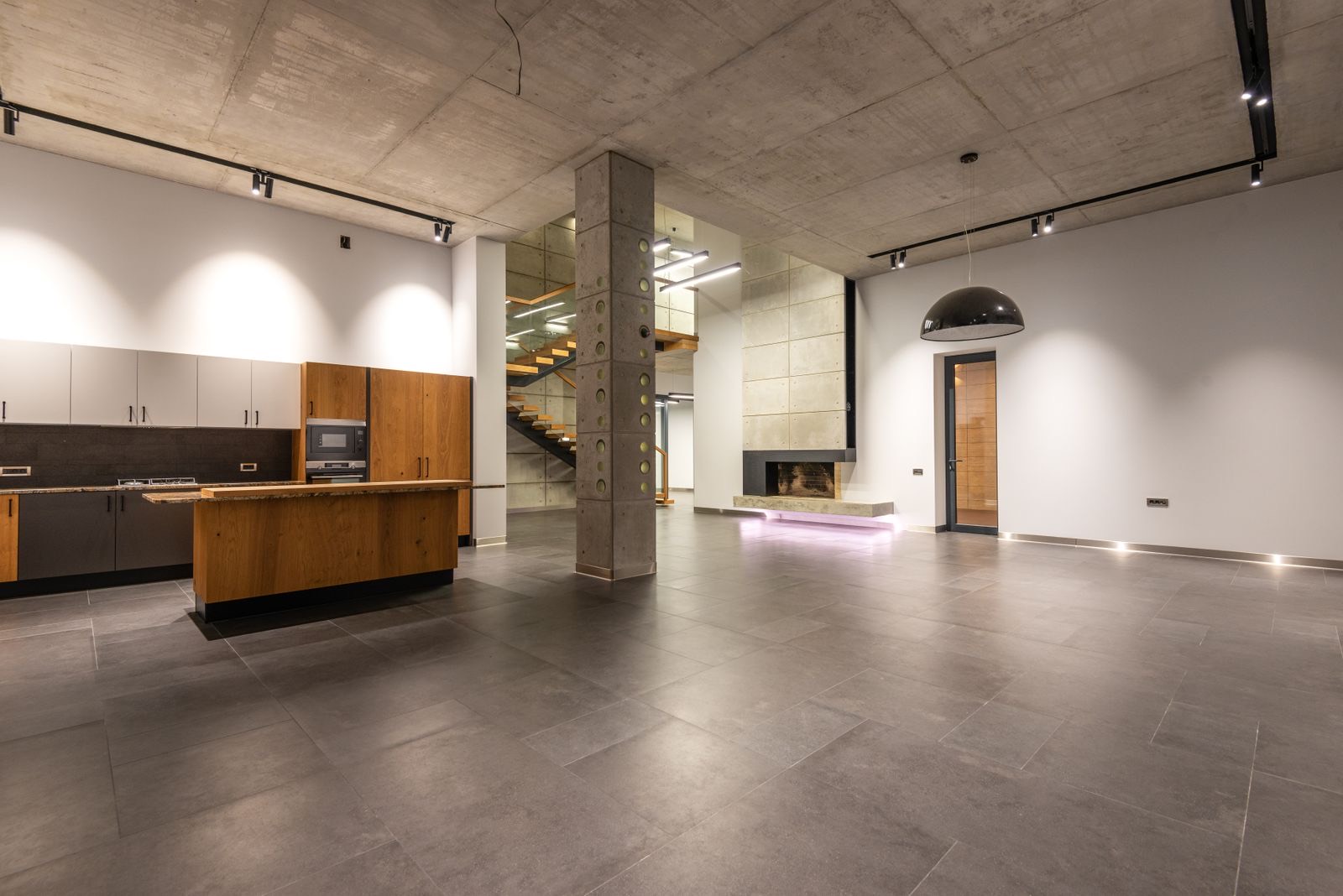
Why Coatings
It's never the epoxy. It's always the prep.
A concrete coating turns a dusty, staining slab into a hard, cleanable, good-looking floor — but only if it’s prepped right. Peeled garage floors nearly all share one story: a coating applied over concrete that was cleaned or acid-etched instead of mechanically ground. It never bonded, and it lifted.
We grind the slab so the coating keys into the concrete, repair cracks and pits, and check for moisture before anything goes down — because a fresh-looking floor over an untested, under-prepped slab is exactly how coatings fail a couple of summers later. A UV-stable polyaspartic topcoat then locks it all in and cures fast.
Garages, basements, workshops, home gyms, and commercial shop floors all benefit from the same approach — a floor you can actually clean, that shrugs off oil and chemicals, and that brightens the whole room.
What a coating system includes
- Diamond grinding of the slab, with dust extraction
- Crack and pit repair, sanded flush
- Moisture check — and a barrier coat when readings require
- Pigmented base coat rolled into the profiled concrete
- Full-broadcast decorative flake in your color blend
- UV-stable polyaspartic topcoat with anti-slip texture
- Fast return to service — often back in use quickly
Scope varies with the condition of your concrete — your quote is itemized after someone has seen the slab.
Coating & Finishing Systems
From a clean sealed slab to a designer finish
Concrete finishing spans practical and decorative. All of them start with the same proper prep — the finish is where they differ.
Full-broadcast flake
Vinyl flake broadcast to full coverage in your color blend — slip-resistant, hides imperfections, and never shows dust. The most popular garage finish.
Solid-color epoxy
A clean, uniform pigmented coating — a straightforward, durable upgrade for garages, basements, and utility spaces.
Metallic epoxy
Hand-poured metallic pigment that moves like liquid stone — a one-of-a-kind, high-end look for showrooms, basements, and feature floors.
Polished concrete
Grinding and polishing the slab itself to a smooth sheen — a durable, low-maintenance, modern finish for larger and commercial spaces.
Sealed concrete
A ground-and-sealed slab that stops dusting and staining and wipes clean — the practical, budget-friendly standard finish.
Polyaspartic topcoats
A UV-stable, fast-curing clear coat that locks in any system, resists yellowing, and gets you back on the floor quickly.
Why Prep Is Everything
Grinding, not etching — and why it matters
Every coating that peels has the same root cause: it never bonded to the concrete. The cheap, fast way to prep a slab is acid etching or a pressure wash, which leaves a weak, contaminated surface the coating just sits on top of. Mechanical grinding is the alternative — dust-extracted planetary grinders remove that weak layer and open the concrete’s pores so the base coat soaks in and locks in mechanically.
North Carolina adds one more factor: slab moisture. Triangle humidity and older slabs poured without vapor barriers make moisture testing worth doing before anyone quotes a price. When readings come back high, a moisture-barrier base coat keeps the finished floor from bubbling up from below. Cracks and pits get chased out and filled with a rigid repair that sands flush, so they don’t telegraph through the finish.
It’s slower and costs more than etching — and it’s the entire difference between a floor that bonds for years and one that lifts by the next summer.
Proper prep, step by step
- Diamond grind to profile the concrete
- Dust extraction throughout for a clean bond
- Chase and fill cracks and pits, sanded flush
- Moisture-test the slab before coating
- Vapor-barrier base coat when readings require
- Base coat rolled into open, profiled pores
What Goes Into Your Quote
Why coating quotes hinge on the slab
The finish you choose matters, but the condition of your concrete moves the price as much as anything — a clean, sound slab costs less to prep than one with cracks, old coatings, or moisture issues to address. That’s why an honest coating quote comes after someone has seen the slab, and it’s itemized so there are no surprises, backed by our on-time, on-budget guarantee.
We take on projects of 350 square feet and up, quoted after an on-site look.
Finish system
Sealed concrete, solid-color, full flake, metallic, or polished — each is a different material and labor level.
Slab condition
Cracks, spalling, pitting, and old coatings that must be ground off all add prep labor.
Moisture control
A vapor-barrier base coat when the slab tests wet adds cost — and prevents failure later.
Square footage
Total area sets the base, but prep and finish drive the per-foot number more than size alone.
Repairs & coving
Crack repair, patching, and coved edges or wall bases add scope where wanted.
Topcoat & texture
Polyaspartic topcoats and anti-slip additives round out the system and the quote.
Living With It
What changes after coating day
No more concrete dust
Bare concrete sheds fine dust forever. A sealed floor ends it the day it cures — no more gritty shelves and boxes.
Everything wipes up
Oil, road salt, and most chemicals sit on the surface instead of soaking in. Cleanup is a paper towel or a quick mop.
A brighter space
A light flake floor with a gloss topcoat reflects far more light than gray concrete — same bulbs, noticeably brighter room.
Hides the history
Full-broadcast flake conceals patched cracks, old stains, and imperfections completely — and hides future scuffs the same way.
Tough and slip-aware
The system is built for traffic and chemicals, with an anti-slip texture worked into the topcoat for safer footing.
Works beyond the garage
Basements, workshops, gyms, and shop floors get the same durable, cleanable finish — matched to how the space is used.
Maintenance
About as easy to keep up as a floor gets
A coated concrete floor is built to be low-maintenance — a few simple habits keep it looking new for years.
Dust-mop or blow it out
A dust mop or leaf blower clears grit fast. Keeping sand off the surface preserves the topcoat's finish.
Mop when needed
Occasional mopping with water or a mild cleaner handles the rest — no wax or polish required.
Wipe spills at leisure
Oil, salt, and chemicals sit on top; wipe them whenever. Nothing soaks in to stain the concrete.
Protect from point loads
Put a scrap of plywood under jack stands and heavy point loads to prevent gouges in the coating.
Avoid dragging steel
Don't drag unprotected steel or sharp equipment across the surface — lift or use a mat instead.
Recoat down the road
After years of heavy use the topcoat can be re-coated on its own to refresh the floor without redoing it.
Coatings FAQ
Common concrete coating questions
Why do so many garage floor coatings peel?
Almost always because of prep, not product. When a coating is rolled over concrete that was only cleaned or acid-etched, it sits on top instead of bonding into the slab — and a hot tire or a humid summer lifts it. The fix is mechanical preparation: grinding the concrete so the coating keys into it. It costs more than etching and it's the single biggest factor in whether a floor lasts.
What's the difference between epoxy and polyaspartic?
Epoxy is a thick resin that bonds hard to prepared concrete and builds a solid base. Polyaspartic is a faster-curing, UV-stable coating that resists yellowing and handles temperature swings, making it an excellent topcoat that cures in hours rather than days. Many quality systems use both — a strong base below and a durable polyaspartic on top for speed and longevity.
What's the difference between standard and decorative concrete finishing?
Standard finishing is about durability and cleanability — a sealed or ground-and-sealed concrete floor, or a solid-color coating, that turns a dusty slab into a hard, wipeable surface. Decorative finishing adds looks: full-broadcast flake blends, metallic epoxy that moves like liquid stone, or polished concrete with a sheen. Both start with the same proper prep; decorative simply builds a designed finish on top.
How does NC humidity affect concrete coatings?
It matters here more than in drier climates. Slabs in the Triangle — especially in basements and older homes without a vapor barrier — often test high for moisture, and coating over a slab that's pushing moisture causes bubbling and delamination later. Good practice is a moisture test before quoting, and a moisture-barrier base coat when readings come back high.
What can I coat besides a garage?
Plenty. The same flake and polyaspartic systems work beautifully on basement floors, workshops, home gyms, laundry rooms, and commercial shop and retail floors — anywhere you want a hard, cleanable, dust-free surface over concrete. The prep and the topcoat get matched to how the space is used and how much traffic and chemical exposure it sees.
How long does a coating take, and when can I use the floor?
Most residential garages are a one- to two-day job on site depending on repairs and the system. Cure time depends on the coating: polyaspartic topcoats often allow foot traffic within hours and vehicle traffic within a day or two, while traditional epoxy-only systems need several days before you drive on them. We give you the specific return-to-service times for the system you choose.
Is a coated floor slippery when wet?
A smooth, high-gloss coating can be, so texture is worth deciding on deliberately. Full-flake floors have natural grip from the flake itself, and for smooth or metallic finishes we can add a clear anti-slip aggregate to the topcoat — invisible underfoot but noticeably grippier. Garages, basements, and wash-down areas each get the texture that makes sense for how they're used.
Gallery
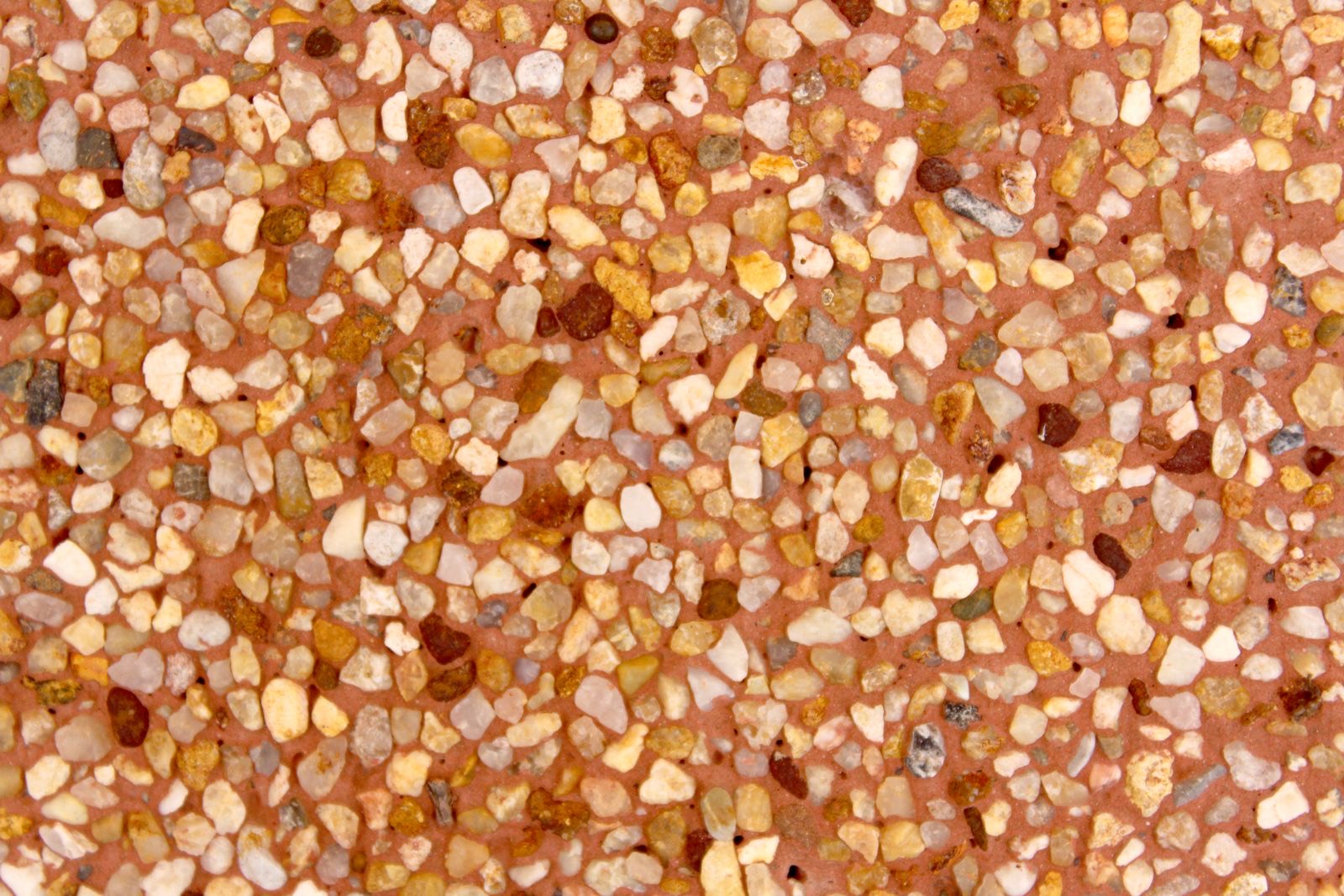
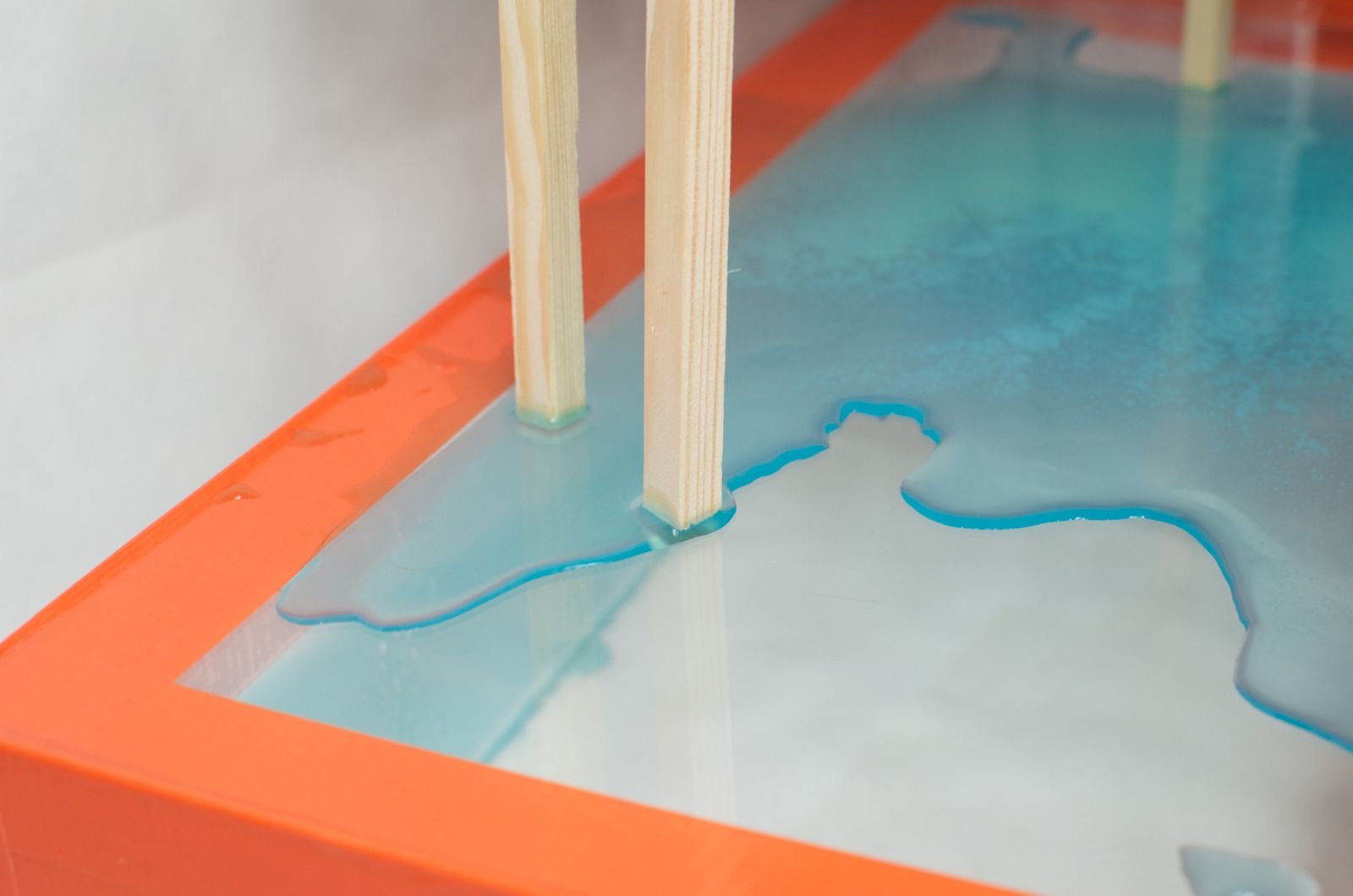
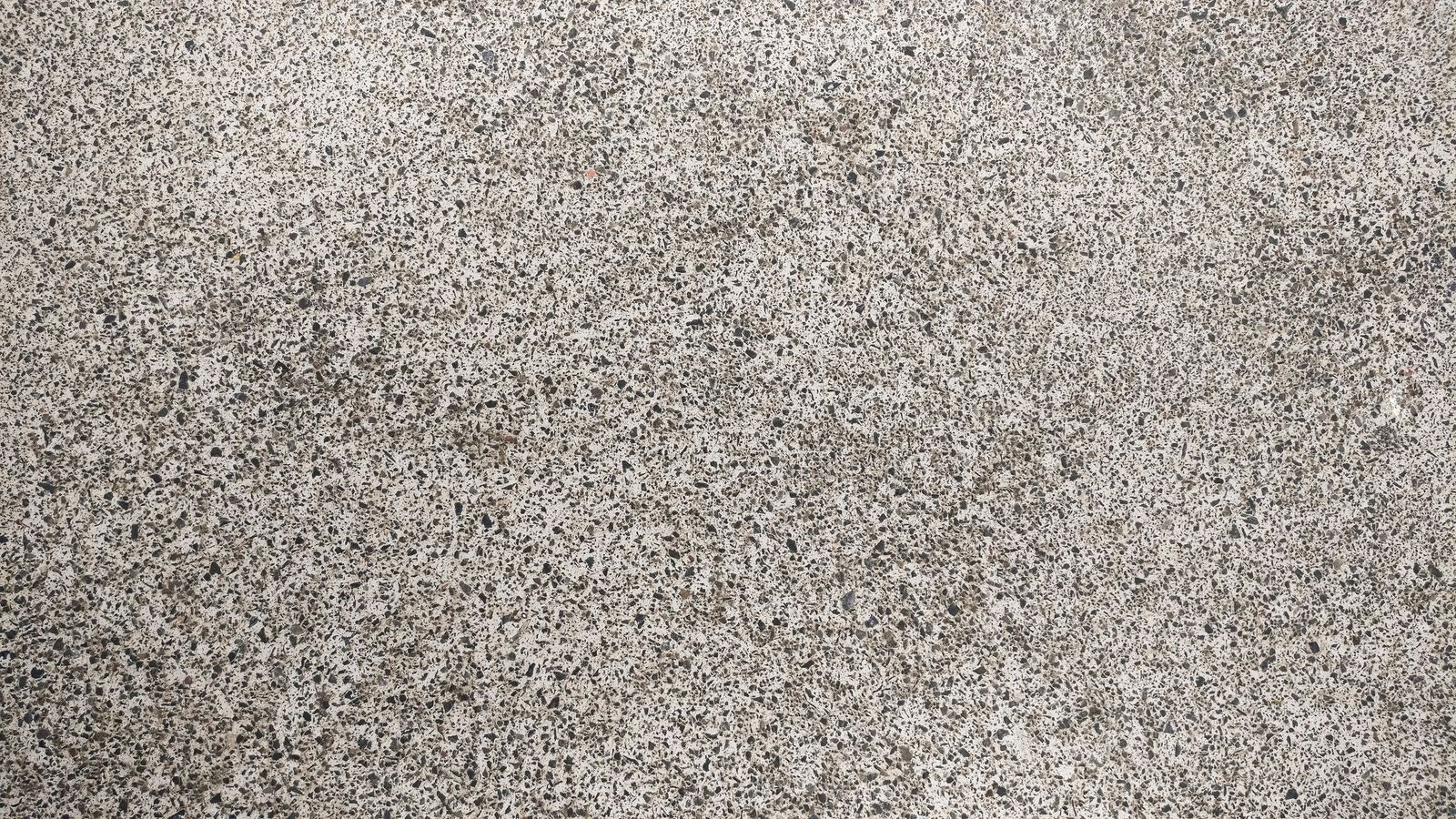
Coatings & Finishes
Get your garage or concrete floor quoted.
Free in-home quotes across the Raleigh Triangle. Tell us about your space and we'll bring samples and a clear, itemized price — no pressure, no obligation.
On-Time, On-Budget Guarantee · Licensed & insured · Free quotes