Tile Flooring · Raleigh & Fuquay-Varina, NC
Tile that's set flat, sealed right, and built to outlast the house.
Porcelain and ceramic tile for bathrooms, kitchens, entryways, and laundry rooms — installed over a properly prepped, waterproofed base so it stays flat, watertight, and beautiful for decades.
- & ceramic
- Porcelain
- Substrate
- Waterproofed
- In-home quotes
- Free
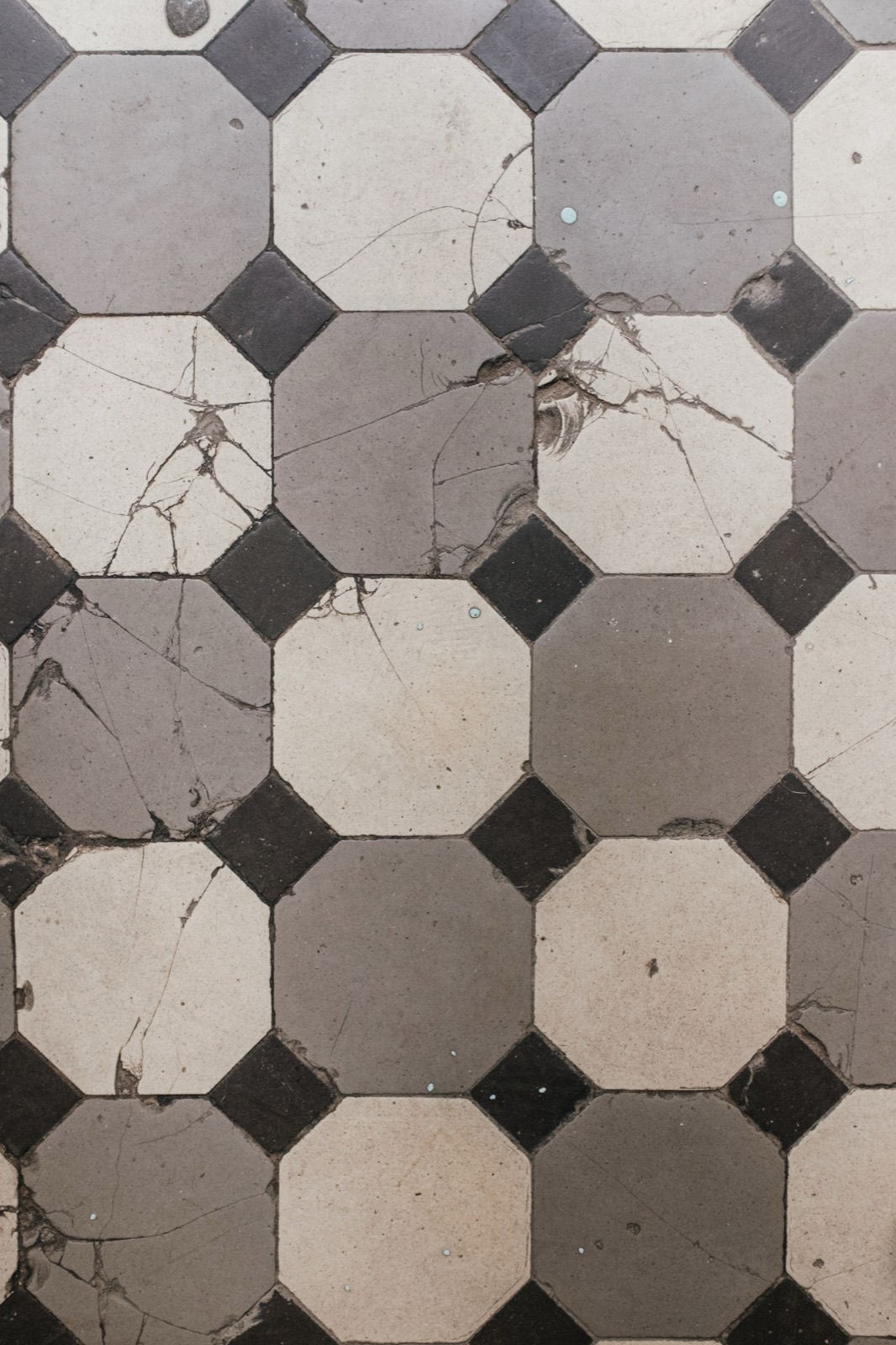
Why Tile
The most water- and wear-proof floor you can install.
For bathrooms, kitchens, mudrooms, and entryways, tile is hard to beat: it’s waterproof at the surface, nearly impossible to scratch, and lasts for decades without wearing out. Large-format porcelain, classic ceramic, herringbone patterns, and wood-look plank tile all give you a distinct, premium look that holds up to anything the wet rooms of a house throw at it.
Tile lives or dies on what’s underneath it. A flat, rigid substrate and — in wet areas — a proper waterproofing membrane are what keep tiles from cracking, grout from failing, and subfloors from rotting. This is the part budget installs cut, and it’s exactly the part we don’t. In Triangle homes, where bathrooms and entries take constant moisture, that hidden work is what makes a tile floor last.
We set tile flat and lippage-free, keep grout lines consistent, and seal where it matters — so you get a floor that looks as sharp in fifteen years as the week it went in.
What a tile install includes
- Demo and haul-away of the existing floor
- Substrate flattened; backer board or membrane installed
- Waterproofing in showers, baths, and wet areas
- Porcelain or ceramic tile in your size and pattern
- Flat, lippage-free setting with consistent grout lines
- Grouting, sealing, and clean silicone at the edges
- Transitions and thresholds to adjoining floors
Scope varies with the substrate and layout — your quote is itemized after we’ve seen the space.
Tile Materials
Porcelain, ceramic, and natural stone
They look similar on the shelf but behave differently on the floor. Here’s how to think about the three.
Porcelain
Denser and harder than ceramic with very low water absorption, porcelain is the go-to for floors, high-traffic areas, and wet rooms. It's more durable and more moisture-resistant — our usual recommendation for flooring.
Ceramic
Softer and easier to cut than porcelain, and often more budget-friendly. Great for walls and lighter-duty floors. Perfectly good underfoot in the right room, just less bulletproof than porcelain.
Natural stone
Marble, travertine, slate, and granite bring one-of-a-kind character, but they're porous and need sealing and more careful maintenance. Beautiful where you want a natural, high-end look and will maintain it.
Choosing Your Tile
The decisions that shape a tile floor
Beyond the material, these choices set the look, the feel, and how the floor performs day to day.
Size & format
Large-format tile means fewer grout lines and a clean, modern look; smaller tile and mosaics add grip and detail. Wood-look plank tile bridges warmth and waterproof durability.
Finish & slip rating
Polished tile is sleek but slicker when wet; matte and textured finishes add traction. In bathrooms and entries, slip resistance matters — we help you balance look and safety.
Pattern & layout
Straight-set, offset, herringbone, or a feature border — layout changes the whole feel of a room and how much cutting and planning the install needs.
Grout color & type
Matching grout makes the floor read seamless; contrasting grout highlights the pattern. Epoxy grout resists stains without sealing — worth it in high-use areas.
The Hidden Half
A tile floor is only as good as what's under it
Everything that goes wrong with tile — cracked tiles, failing grout, loose or hollow spots, water damage below — traces back to the substrate. Tile is rigid and unforgiving: if the surface beneath it flexes or isn’t flat, the tile and grout crack. That’s why the prep matters more than the tile you pick.
We start by making the base flat and rigid — the right backer board or an uncoupling membrane over a sound subfloor, or a properly prepared slab. In showers, tub surrounds, bathrooms, and entries, a waterproofing membrane goes in so moisture can never reach the subfloor through the grout. Full mortar coverage under each tile prevents hollow spots and cracks down the road.
None of this shows in the finished floor — which is exactly why it gets skipped on cheap jobs. It’s also why our tile floors stay flat, watertight, and crack-free for the long haul.
What proper prep includes
- A flat, rigid, sound substrate
- Backer board or uncoupling membrane
- Waterproofing membrane in wet areas
- Full mortar coverage under every tile
- Movement joints where they're needed
- Sealed grout and clean silicone at changes of plane
How It's Installed
Five steps, and none of them get skipped.
Fast doesn’t mean rushed. Every step below exists because skipping it is what turns a floor that lasts decades into one that fails, gaps, or squeaks in a couple of years.
In-home measure & itemized quote
We measure every room, look at the subfloor and what's coming out, and help you match the right material to how each space is used. You get an itemized price before any work begins.
Tear-out & haul-away
Old flooring, tack strip, and staples come up and out. We check the subfloor underneath as it's exposed — this is where hidden water damage and soft spots turn up.
Subfloor prep & moisture check
Low spots get leveled, high spots ground down, loose panels re-secured, and squeaks fixed. Wood and laminate go over a moisture-checked, flat subfloor — never a wavy one.
Acclimation & precise install
Wood and laminate acclimate to your home's humidity first, then everything is installed with proper expansion gaps, tight seams, and layout planned so full planks land where they show.
Trim, transitions & clean-up
Shoe molding, transitions, and thresholds finish the edges; we vacuum, wipe down, and walk the job with you. For site-finished hardwood, that includes sanding, staining, and coating.
What Goes Into Your Quote
Why tile is priced by the details, not just the size
Tile is the most labor-intensive floor we install, so an honest quote depends on far more than square footage. The tile you pick, the pattern, the waterproofing your space needs, and the shape of the room all move the number. We measure, assess the substrate, and itemize it all up front — the precision that lets us stand behind our on-time, on-budget guarantee.
We take on projects of 350 square feet and up, and give every quote after an in-home look at the space.
Tile choice
Porcelain vs. ceramic vs. stone, size, and finish set the material cost across a wide range.
Pattern & layout
Herringbone, diagonals, borders, and large-format leveling all add cutting and setting time.
Substrate & waterproofing
Backer board, membranes, leveling, and wet-area waterproofing are labor and materials that protect the floor.
Demo & haul-away
Removing old tile or flooring — especially mortar-set tile — is heavy, time-consuming work.
Room complexity
Bathrooms with fixtures, niches, and cuts take longer per square foot than an open floor.
Grout & finishing
Grout type, sealing, transitions, and silicone at edges round out the scope.
Why Homeowners Choose It
Where tile is the right floor
Waterproof surface
The natural choice for bathrooms, showers, kitchens, and mudrooms — water sits on top and wipes away.
Nearly indestructible
Porcelain resists scratches, dents, and heavy traffic that would mark almost any other floor. It simply doesn't wear out.
Design freedom
Large-format, herringbone, hexagon, wood-look plank tile, and more — tile offers looks no other flooring can.
Easy to clean
Sweep and mop; sealed grout resists staining. No refinishing, no special products, no fuss.
Great with heat
Tile pairs perfectly with in-floor radiant heat, taking the chill off an otherwise cool surface in bathrooms.
Adds lasting value
A well-set tile floor in a kitchen or bath reads as quality to buyers and lasts far longer than the trends around it.
Living With It
Keeping tile and grout looking new
Tile itself is nearly maintenance-free — the grout is where a little habit pays off. Here’s the short list.
Sweep and damp-mop
Grit dulls any finish over time. Sweep or vacuum, then damp-mop with a pH-neutral cleaner — no harsh acids on the grout.
Seal the grout
Reseal cement grout periodically so it resists stains and moisture. A quick water-bead test tells you when it's due.
Wipe wet-area splashes
In showers and tubs, squeegeeing or wiping down cuts soap scum and keeps grout and silicone looking fresh.
Address grime early
Ground-in grout grime lifts easily when it's caught early with a soft brush and cleaner — much harder once it sets.
Refresh the silicone
Silicone at corners and changes of plane is wear-and-tear; refreshing it every few years keeps wet areas watertight.
Mats at entries
Walk-off mats catch the sand and grit that scratch polished tile and grind into grout lines.
Tile FAQ
Common tile flooring questions
Porcelain or ceramic tile — which should I choose?
Both are fired clay, but porcelain is denser, harder, and absorbs less water, which makes it the better choice for floors, high-traffic areas, and anywhere moisture is a factor. Ceramic is a bit easier to cut and often less expensive, and works well for walls and lighter-duty floors. For most floor installs we recommend porcelain for its durability and low water absorption; we'll help you weigh looks, finish, and budget.
Why does waterproofing matter under tile?
Tile itself is hard and water-resistant, but grout and the substrate underneath are not inherently waterproof — and in showers, bathrooms, and entryways, water that gets past the surface can rot subfloors and grow mold. Proper installs use a waterproofing membrane and the right backer board so the whole assembly manages moisture, not just the tile. It's invisible when it's done and a disaster when it's skipped — one of the clearest differences between a quality install and a cheap one.
What is lippage, and how do you prevent it?
Lippage is when one tile edge sits higher than its neighbor, leaving a lip you can feel and catch a toe on. It comes from an uneven substrate or rushed setting. We prevent it by flattening the substrate first, using full mortar coverage under each tile, and setting large-format tile with leveling systems — so the finished floor is flat and smooth across the whole surface.
How long does a tile floor take to install?
Tile is a multi-day job by nature. After demo and substrate prep, the tile is set in mortar that needs to cure before grouting, and the grout then needs its own cure and sealing time. A typical bathroom or entry runs a few days; larger areas take longer. It's slower than click-together floors, but the result is one of the longest-lasting, most water- and wear-proof floors you can install.
Do I have to seal the grout, and how often?
Most cement-based grout should be sealed after it cures and periodically after that — sealing helps it resist staining and moisture, especially in kitchens, entries, and wet areas. How often depends on the grout and traffic, but a simple annual check (water beads on sealed grout; soaks in when it's time to reseal) keeps it protected. Epoxy grout is a no-seal alternative we can discuss for high-stain areas.
Can you do wood-look, herringbone, and large-format tile?
Yes. Wood-look plank tile gives you the warmth of wood with tile's waterproof durability; herringbone and other patterns turn an entry or feature area into a focal point; and large-format tile creates a clean, modern look with minimal grout lines. Patterns and large formats take more layout planning and precise setting to keep lines straight and lippage-free — exactly the kind of detail work we plan for up front.
Is tile too cold and hard for living spaces?
It can feel cool and firm underfoot, which is why tile shines in wet rooms and entries but isn't everyone's pick for a whole living area. Two things help: pairing tile with in-floor radiant heat takes the chill off beautifully, and area rugs add warmth and softness where you want it. If you love a stone or tile look but want more comfort underfoot, luxury vinyl tile is worth a look as an alternative.
Gallery
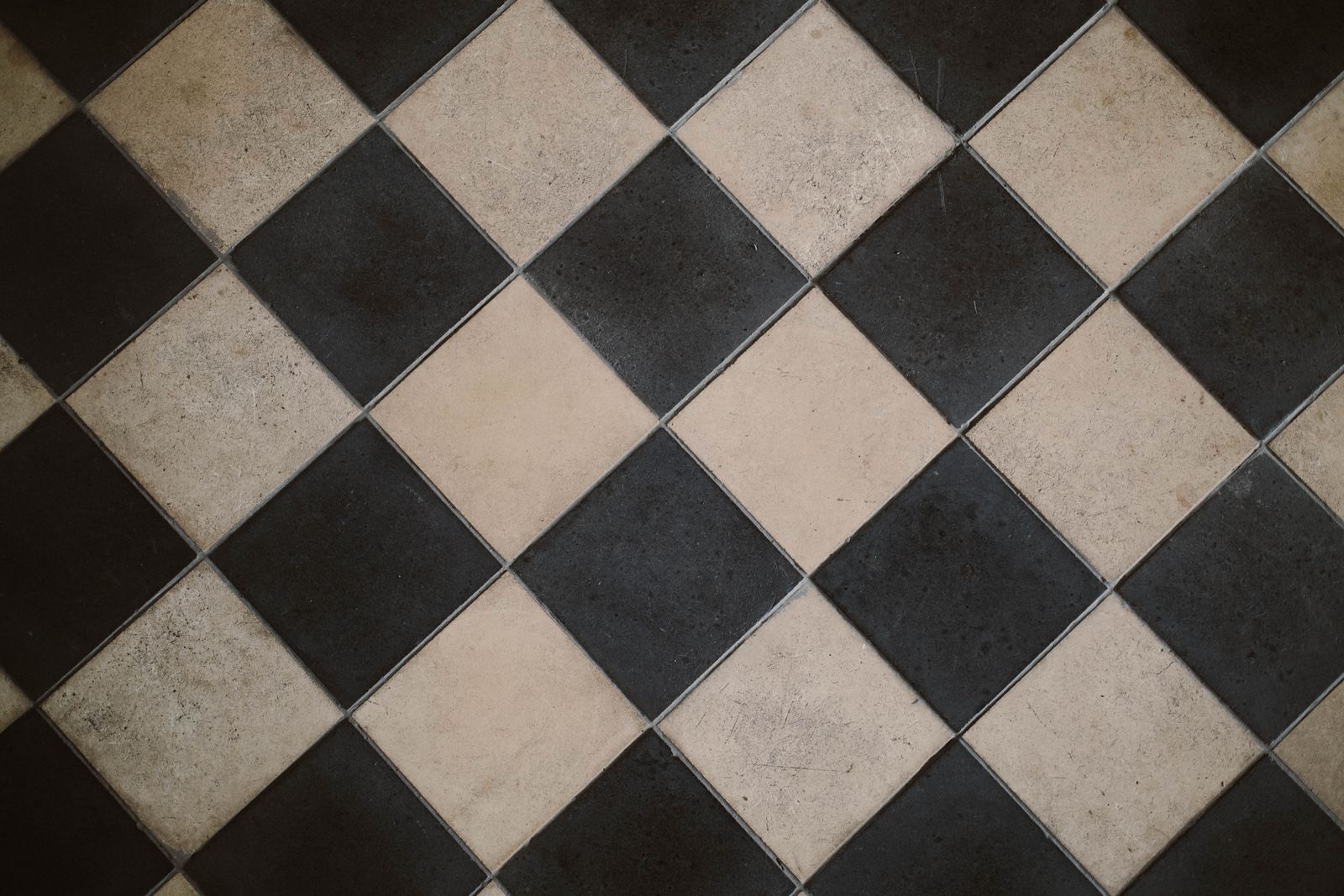
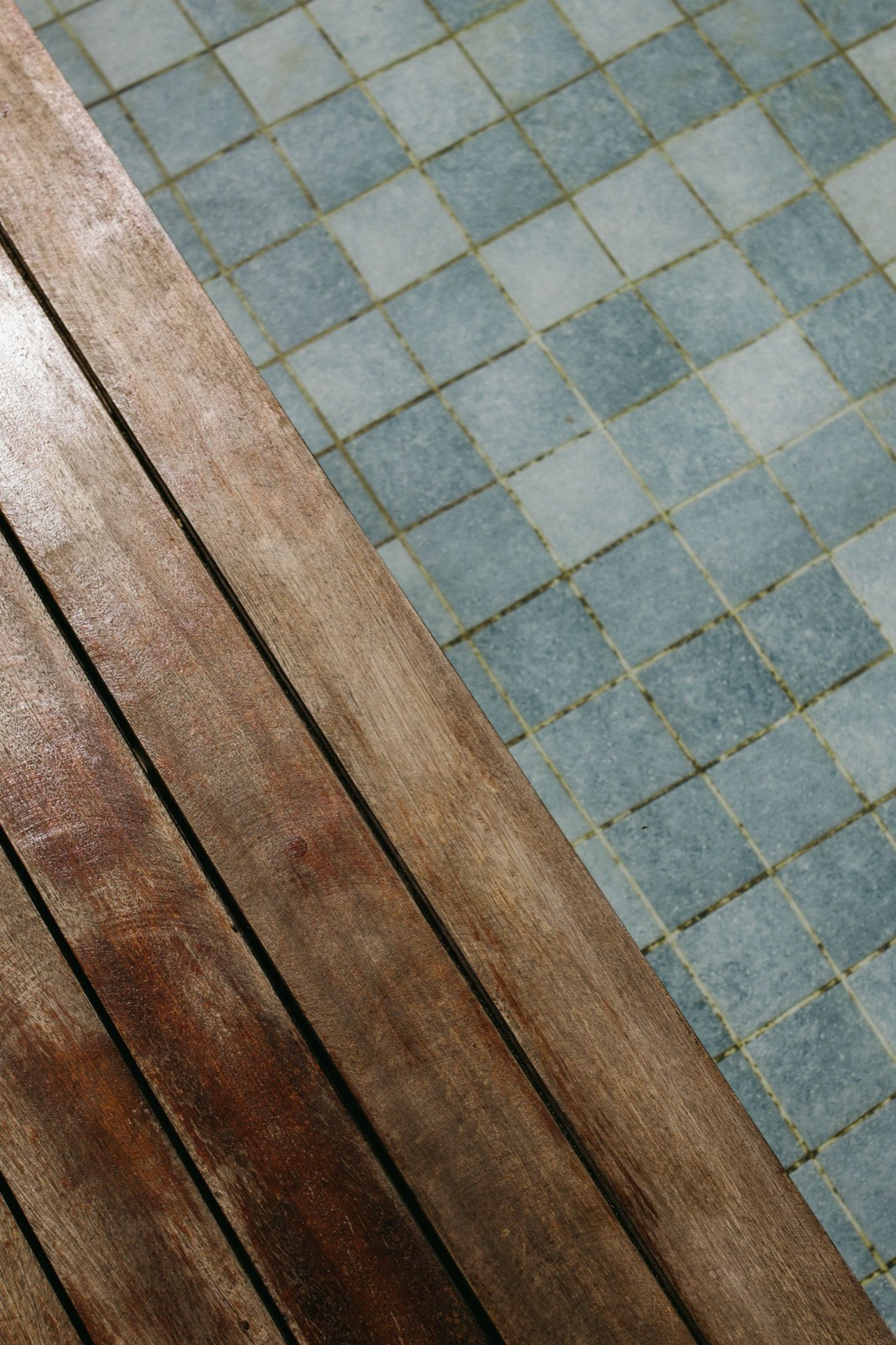
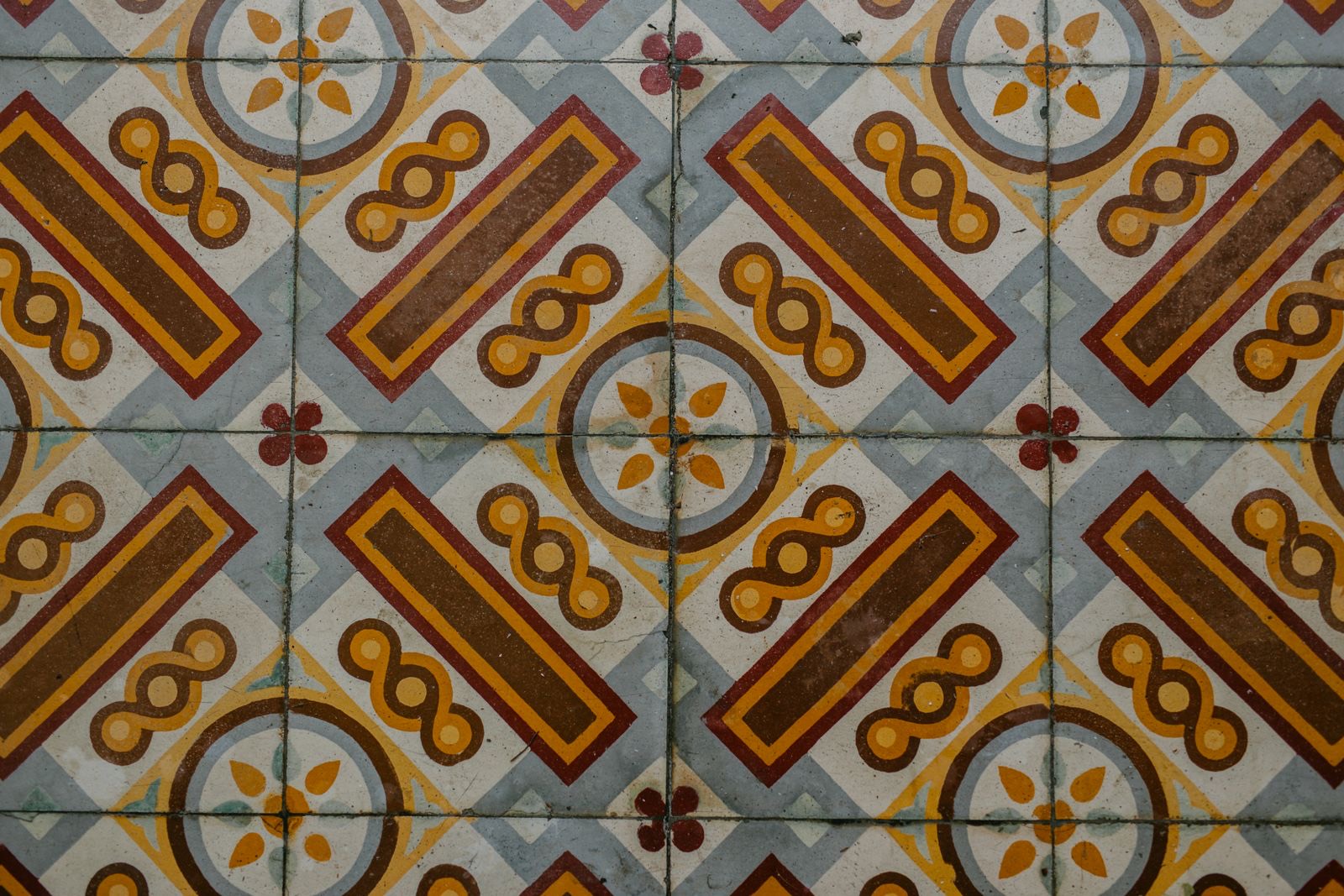
Tile in Real Spaces
Get your tile floors quoted.
Free in-home quotes across the Raleigh Triangle. Tell us about your space and we'll bring samples and a clear, itemized price — no pressure, no obligation.
On-Time, On-Budget Guarantee · Licensed & insured · Free quotes