Hardwood Refinishing · Raleigh & Fuquay-Varina, NC
Your old hardwood is probably worth saving.
Before you tear out worn, scratched, or dated hardwood, let us take a look. Sanding it down and re-coating restores decades-old floors to better than new — for a fraction of the cost of replacement.
- Instead of replace
- Restore
- Contained sanding
- Dust-
- In-home quotes
- Free
Why Refinish
The highest-return flooring project there is.
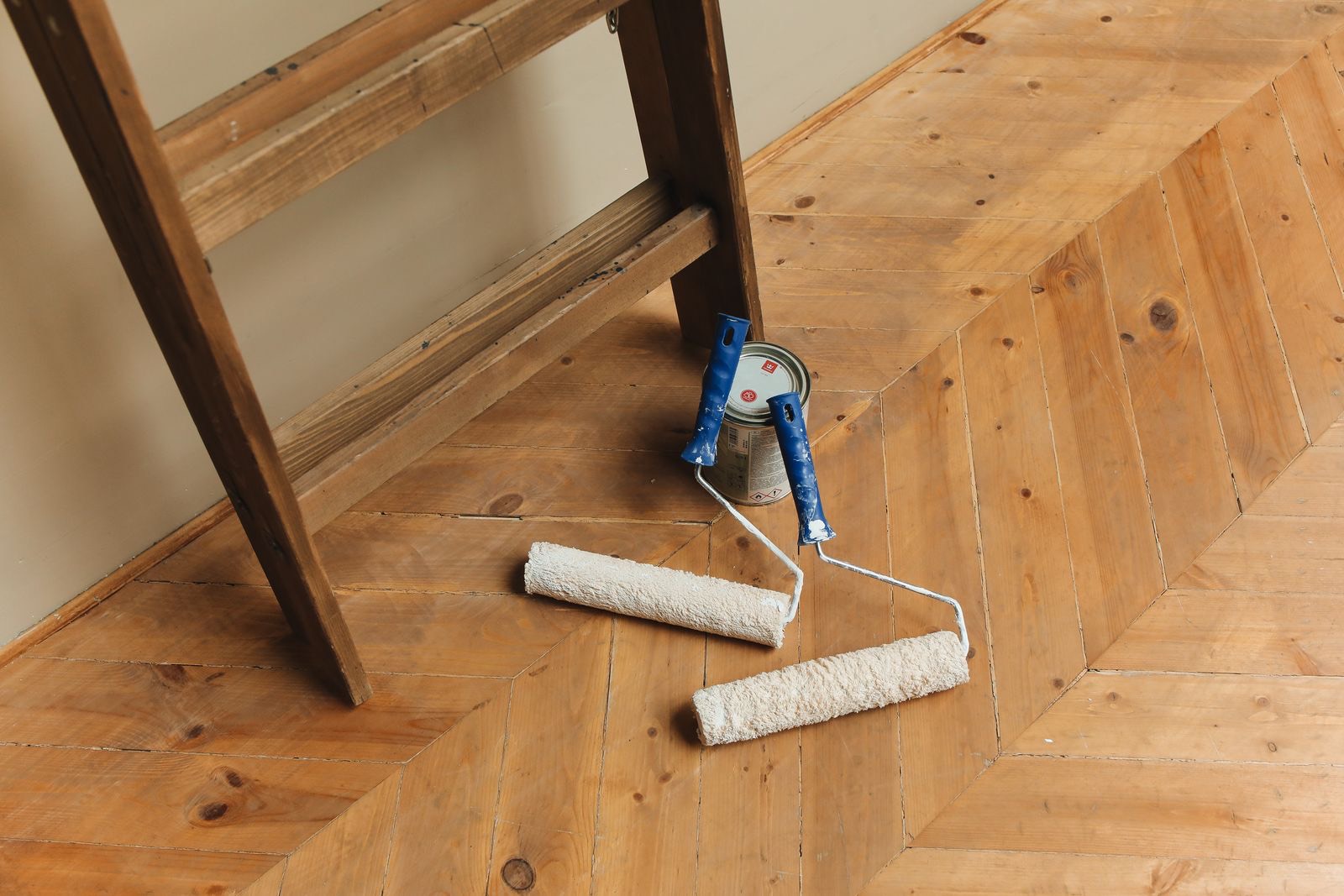
Refinishing is the best-kept secret in flooring. Under worn finish, scratches, sun-fading, and even pet stains, the wood itself is usually still good — and sanding it back to raw wood erases decades of wear in a way no cleaning product can. The result looks like a brand-new floor at a fraction of the cost of ripping it out and replacing it.
It’s also the smartest move before selling. Freshly refinished hardwood photographs beautifully and reads as move-in-ready to buyers, and it consistently returns more than it costs. Across older Triangle homes — inside Raleigh’s Beltline, in historic downtowns — we frequently pull up old carpet to find original oak underneath that just needs sanding and a fresh coat.
Refinishing is also your chance to change the color — go lighter, richer, or more modern — and we can show you sample areas on your own wood before we commit to a stain.
What refinishing includes
- Assessment of board thickness and whether they can be sanded
- Dust-contained sanding down to fresh, raw wood
- Repair of damaged boards and re-nailing of squeaks
- Filling of gaps and minor cracks as needed
- Custom stain color — with sample areas to approve first
- Durable multi-coat sealer (oil- or water-based)
- Clear guidance on dry times before you move back in
Scope varies with the floor’s condition — your quote is itemized after we’ve seen the wood.
How Refinishing Works
Five steps from worn to like-new
Refinishing is careful, methodical work. Each step matters to how smooth, even, and long-lasting the finished floor is.
Assess the boards
We check that the wood is solid, sound, and thick enough to sand — and flag any boards that need repair or replacement first.
Repair & prep
Damaged boards are swapped, squeaks re-nailed, gaps and holes filled, and the room cleared and sealed off from the rest of the house.
Dust-contained sanding
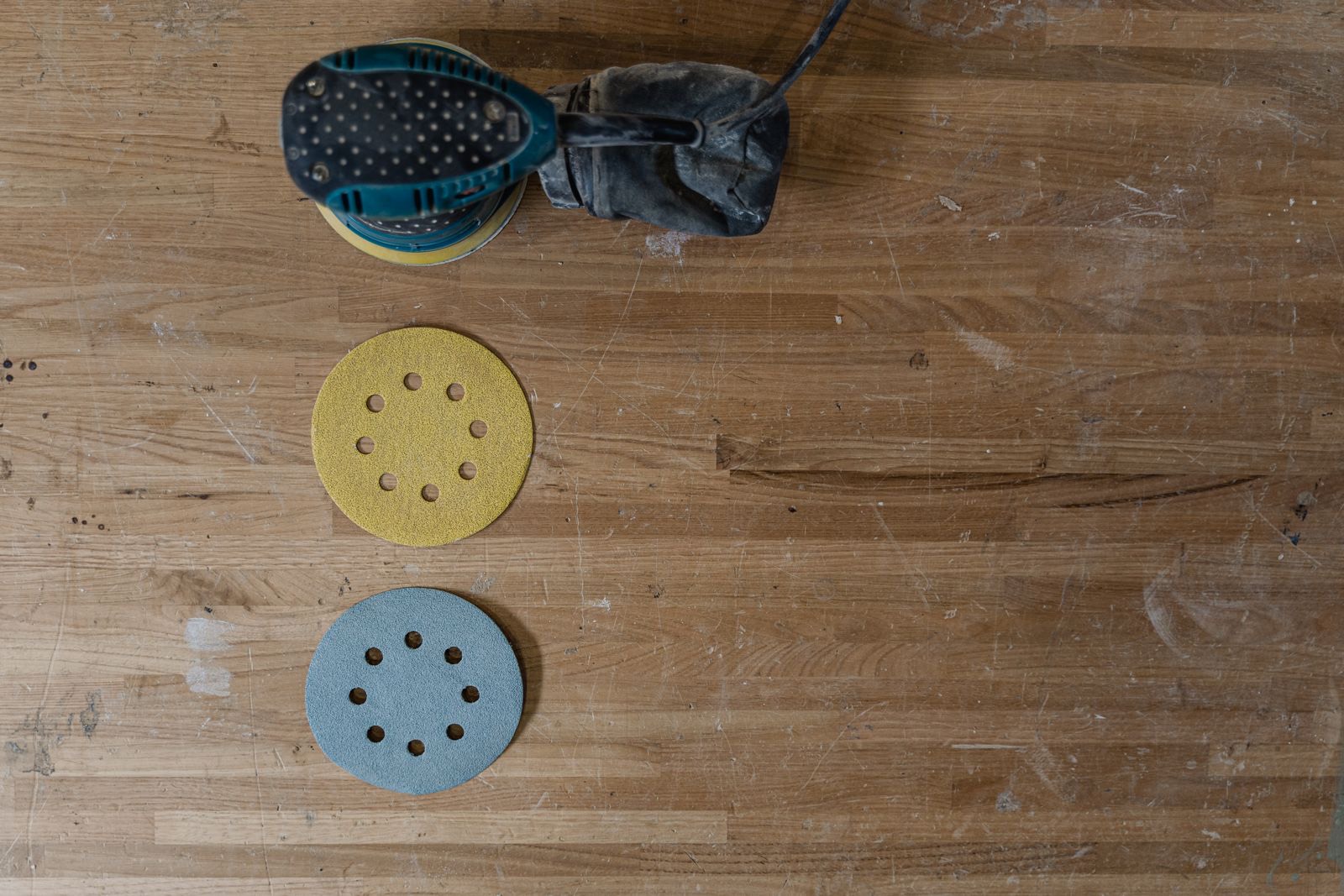
Multiple passes with progressively finer grits take the floor down to fresh, raw wood — with containment that captures the vast majority of dust.
Stain (optional)
If you're changing color, stain goes on the raw wood — we prepare sample areas on your actual floor so you approve the tone before we commit.
Seal & cure
Multiple coats of a durable finish are applied with dry time between, then the floor cures before furniture returns. We give you the timeline up front.
Recoat, Refinish, or Replace?
Not every tired floor needs the full treatment
Part of an honest quote is telling you the least you need to do to get the result you want. Here’s how we think about it.
Recoat (screen & coat)
For a floor that's just dull or lightly scuffed but not worn into the wood. We lightly abrade the finish and add a fresh coat — quick, affordable, no color change. The cheapest way to renew a floor.
Full refinish
For floors with scratches, gray traffic lanes, or stains down in the wood, or when you want a new stain color. We sand to raw wood and rebuild the finish — the transformation most people picture.
Replace
For boards that are structurally gone — widespread water damage, rot, or an engineered floor with no veneer left to sand. When refinishing can't deliver, we'll say so and talk new hardwood.
See the Difference
Same hardwood, refinished.
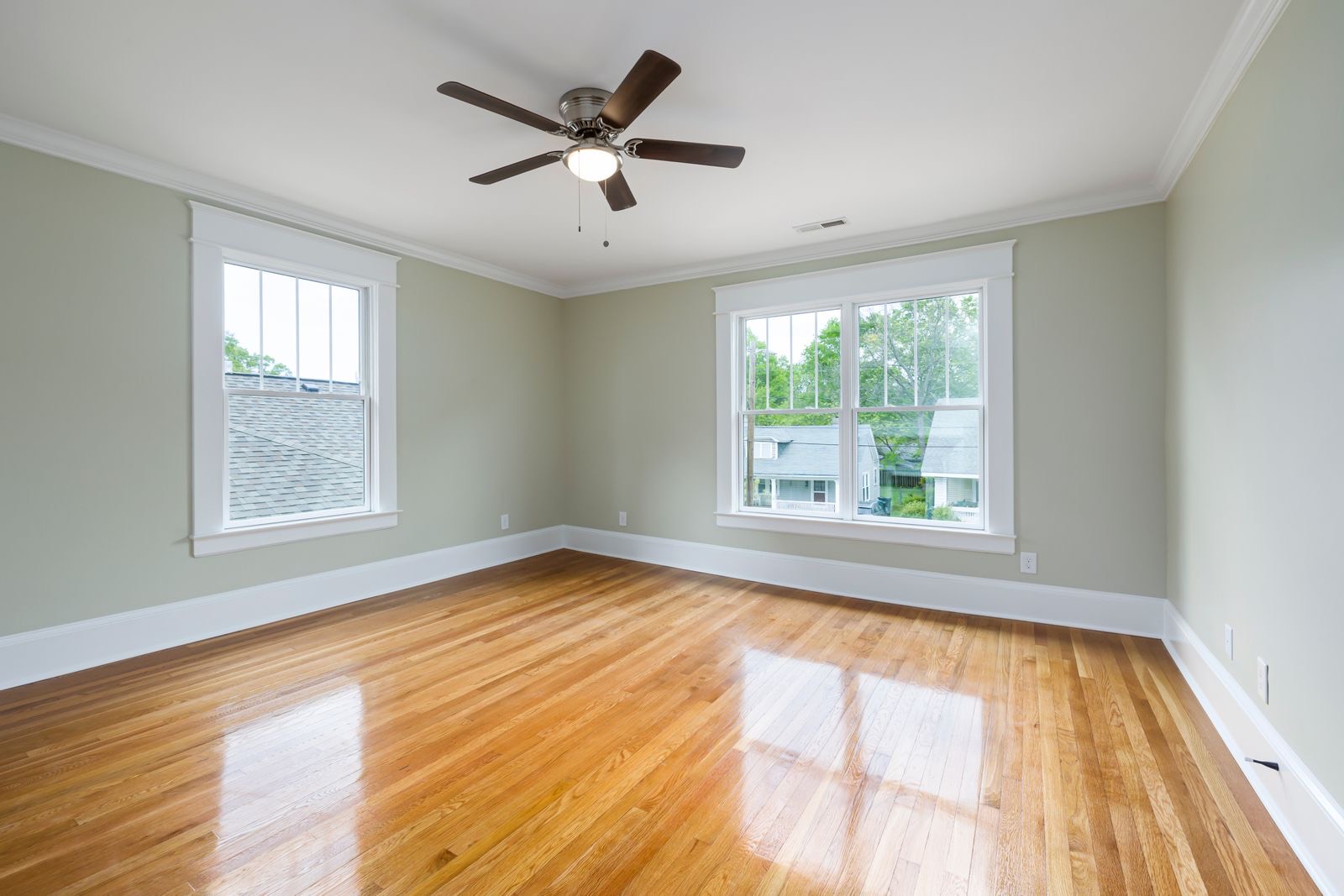
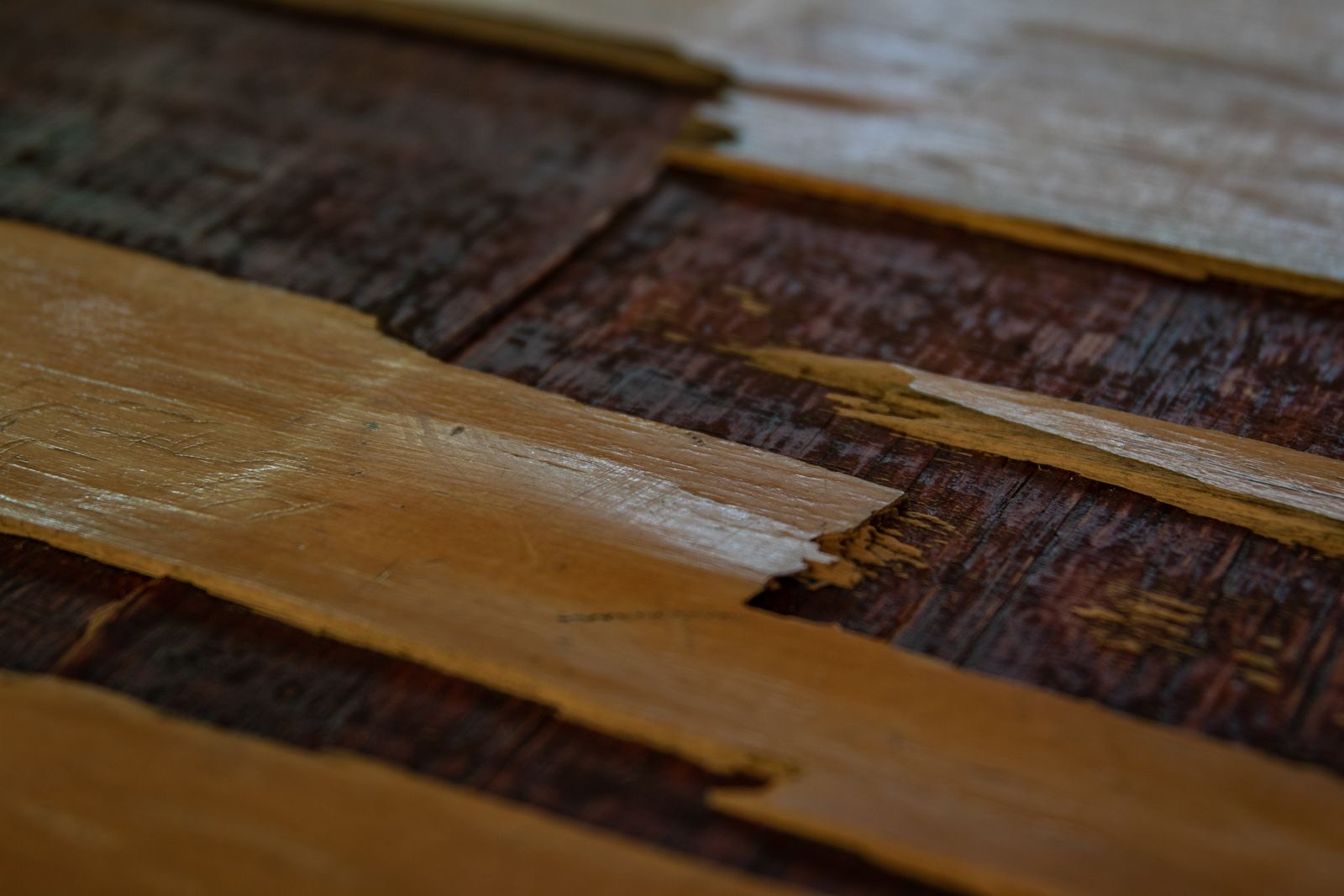
Drag the handle. Worn, scratched, sun-faded hardwood usually doesn’t need replacing — sanding it down and re-coating brings decades-old floors back to better than new, for a fraction of the cost.
Why Homeowners Choose It
What refinishing gives you
A fraction of replacement cost
You keep the wood you already own and pay for sanding and finishing — far less than tearing out and installing new hardwood.
Erases years of wear
Scratches, gray traffic lanes, dullness, sun-fading, and surface stains disappear when the floor is sanded to raw wood.
Change the color
Go lighter and more modern or richer and more traditional — refinishing is the moment to update the whole tone of a room.
Top-dollar before selling
Freshly refinished floors photograph beautifully and return more than they cost — one of the best pre-listing upgrades there is.
Cleaner than you'd expect
Dust-contained sanding captures the vast majority of dust at the source, a world away from the old open-bag method.
Keeps the character
Original wood, wide old-growth boards, and the patina of a period home are preserved — not replaced with something new.
What Goes Into Your Quote
What moves a refinishing quote
Refinishing is priced by the condition of the floor and the scope of the work as much as by square footage. A straightforward recoat is very different from a full sand-and-stain with board repairs. We look at the wood, talk through color and finish, and itemize everything — the precision behind our on-time, on-budget guarantee.
We take on projects of 350 square feet and up, quoted after an in-home look at the wood.
Recoat vs. full refinish
A screen-and-coat is far less labor than a full sand to raw wood — the floor's condition decides which it needs.
Stain & color change
Adding or changing a stain color adds a step and dry time versus a clear, natural finish.
Board repairs
Replacing damaged boards, re-nailing squeaks, and filling gaps add labor when the floor needs it.
Finish type
Oil-based vs. water-based and the number of coats affect materials, odor, and dry time.
Stairs & detail areas
Stairs are sanded and finished by hand and priced separately; closets and tight rooms add time.
Floor condition
Heavy damage, old adhesive, or previous bad refinishes take extra prep to correct.
After Refinishing
Protecting your freshly finished floor
A new finish is at its most vulnerable while it cures. A little care in the first weeks — and good habits after — keeps it beautiful for years before it ever needs attention again.
Respect the cure time
Follow the walk-on, furniture, and rug timeline we give you. Finishes keep hardening for days to weeks after they feel dry.
Wait on rugs
Hold off replacing area rugs until the finish has cured, so it can off-gas evenly and won't trap or discolor.
Felt pads before furniture
Add felt pads to furniture legs before pieces come back into the room to protect the fresh finish.
Damp-mop only
Once cured, clean with a barely-damp mop and a wood-floor cleaner — never a wet or steam mop.
Sweep away grit
Regular sweeping and walk-off mats keep the sand that scratches finishes off your new floor.
Recoat down the road
A maintenance recoat every few years renews the surface and stretches the years until a full refinish is needed.
Refinishing FAQ
Common refinishing questions
Should I refinish or replace my hardwood floors?
If the boards are solid hardwood and structurally sound, refinishing is almost always the better value — it costs a fraction of a full tear-out and can make decades-old floors look brand new. Replacement makes sense when the wood is engineered with a thin, already-sanded wear layer, when there's widespread water damage or rot, or when you want a different material entirely. A quick look at the boards tells us which way to point you.
How many times can hardwood be refinished?
Solid hardwood can typically be sanded and refinished several times over its life — often a handful of times or more, depending on board thickness and how much is removed each time. That's a big part of why hardwood is such a good long-term value. Engineered hardwood can sometimes be refinished once or twice, but only if its real-wood wear layer is thick enough; thin-veneer engineered floors can't be sanded.
How messy and disruptive is refinishing?
Less than it used to be. Modern sanding equipment uses dust containment that captures the vast majority of the dust at the source, so it's far cleaner than the old open-bag method. The room does need to be empty and stays off-limits during sanding and while the finish dries. We'll give you a realistic timeline and which areas to keep clear, including cure times before furniture and rugs go back.
Can I change the stain color when I refinish?
Absolutely — refinishing is the ideal time to update the color. Once the floor is sanded down to raw wood, it can take a new stain, so you can go lighter, darker, or shift the whole tone of the room. We prepare sample areas so you see the actual color on your actual wood before committing, since species and grain affect how a stain reads.
What's the difference between a recoat and a full refinish?
A recoat (or screen-and-coat) lightly abrades the existing finish and adds a fresh top coat — it renews a dull but otherwise sound finish quickly and affordably, with no color change. A full refinish sands all the way down to raw wood to remove scratches, gray traffic lanes, and stains, and lets you re-stain. If your floor is just dull, a recoat may be all you need; if it's worn into the wood, it's a full refinish. We'll tell you honestly which one your floor calls for.
Oil-based or water-based finish — which is better?
Both are durable; they differ in look, smell, and dry time. Oil-based polyurethane adds a warm amber tone and is very tough, but it has a stronger odor and longer dry times. Water-based finishes dry faster, have far less odor, and stay clear (they won't amber over time), so they keep lighter, modern stains looking true. Neither is universally 'better' — we match the finish to the look you want and how fast you need the room back.
How long before I can walk on and furnish the floor?
It depends on the finish, but generally you can walk on it (in socks) within a day or so, put furniture back after a few days, and replace rugs a bit later once the finish has cured more fully. Water-based finishes return to service faster than oil-based. We give you the specific timeline for your finish so the floor cures properly and lasts.
Gallery
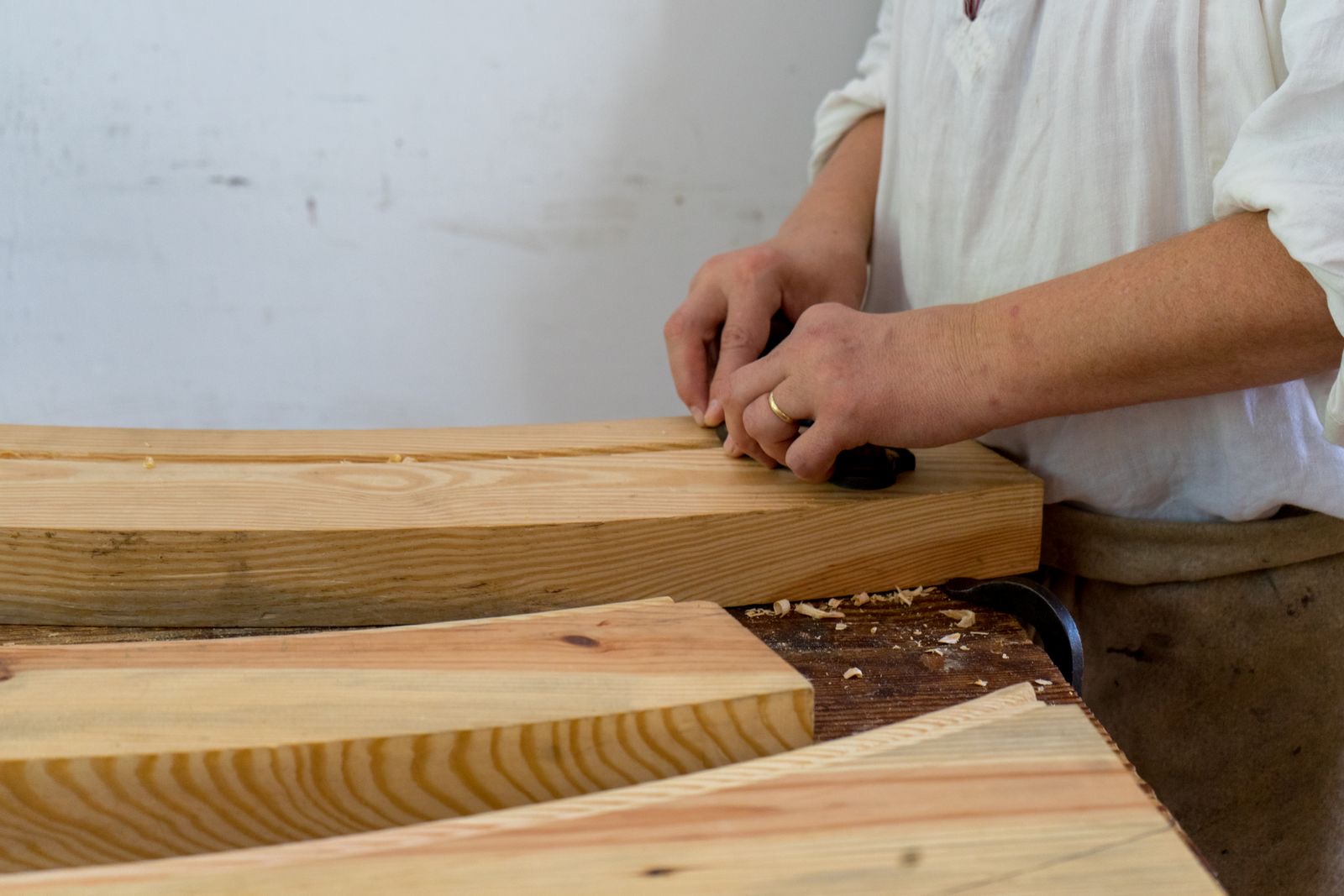
Refinishing in Progress

Find out if your floors can be refinished.
Free in-home quotes across the Raleigh Triangle. Tell us about your space and we'll bring samples and a clear, itemized price — no pressure, no obligation.
On-Time, On-Budget Guarantee · Licensed & insured · Free quotes