Luxury Vinyl Plank · Raleigh & Fuquay-Varina, NC
The waterproof floor built for real life.
Luxury vinyl plank has become the most popular floor in the Triangle for good reason: it's 100% waterproof, tough enough for kids and pets, warm underfoot, and looks convincingly like real wood — for less than hardwood.
- Waterproof core
- 100%
- Proof
- Kid & pet
- In-home quotes
- Free
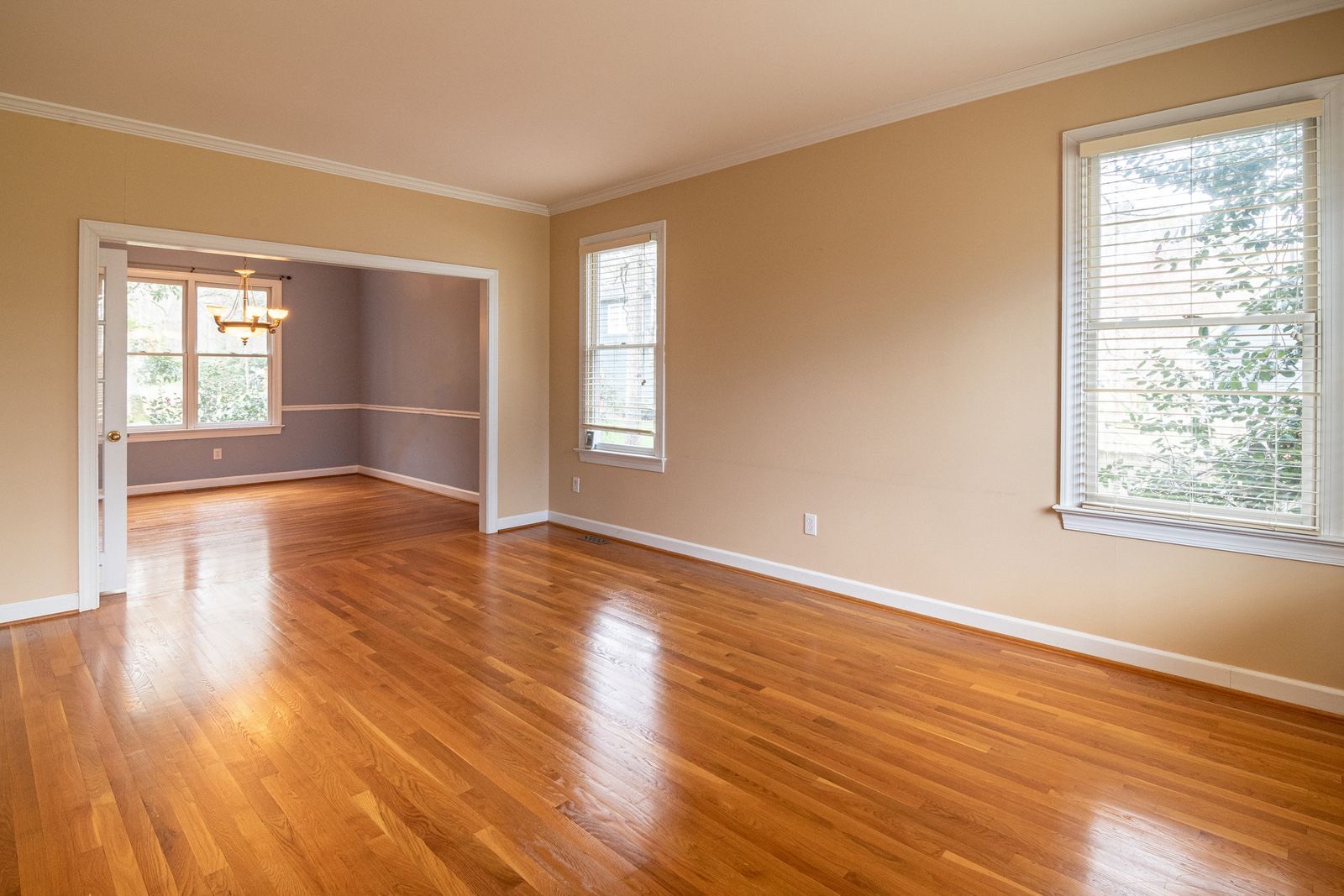
Why LVP
Waterproof, scratch-tough, and it looks the part.
Luxury vinyl plank solved the problem every busy household has: a floor that looks like wood but doesn’t flinch at a spilled water bowl, a muddy dog, or a dropped pan. The plank is waterproof all the way through, so it goes confidently into kitchens, bathrooms, laundry rooms, and basements where real wood and laminate can’t. That versatility is why it’s the single most-requested floor we install across Fuquay-Varina, Holly Springs, and the wider Triangle.
Modern LVP also looks far better than the vinyl of a decade ago. High-definition printing, embossed textures that follow the grain, and beveled edges mimic real oak and hickory closely enough that most people can’t tell until they touch it — and it’s softer, warmer, and quieter underfoot than tile or laminate.
As with any floating floor, the finish is only as good as the prep. LVP telegraphs bumps and dips in the subfloor over time, so we flatten it first — that’s the difference between planks that lie tight and quiet for decades and ones that flex or click apart in a couple of years.
What an LVP install includes
- Tear-out and haul-away of the old flooring
- Subfloor cleaned, flattened, and checked for soft spots
- Rigid-core LVP with a wear layer matched to your traffic
- Underlayment where the product and subfloor call for it
- Staggered, tight-seam layout planned for the room
- Proper expansion gaps at every wall and transition
- Shoe molding, transitions, and thresholds finished
Scope varies with your subfloor and what’s coming out — your quote is itemized after we’ve seen the space.
How LVP Is Built
It's all in the core — SPC vs. WPC
“Luxury vinyl” covers a few constructions. The core is what decides how it feels and how it performs, so it’s worth a quick primer before you choose.
SPC (stone-plastic composite)
A dense, rigid core built for durability and stability. SPC is the most dent-resistant option, barely expands or contracts with temperature, and hides minor subfloor imperfections well — the workhorse choice for busy homes and heavy furniture.
WPC (wood-plastic composite)
A slightly thicker, foamed core that’s a touch softer, warmer, and quieter underfoot. WPC trades a little of SPC’s rigidity for comfort, which some homeowners prefer in living areas and bedrooms. Still fully waterproof.
Looking for a tile or stone look instead of wood? That’s the same technology in a tile format — see luxury vinyl tile (LVT).
Choosing Your LVP
What to weigh when you pick a plank
Not all luxury vinyl is equal. These four things separate a floor that lasts decades from one that disappoints in a few years.
Wear layer thickness
The clear top layer, in mils, is the durability spec that matters most. Thicker resists scratches and scuffs — aim higher for pets, kids, and busy entries.
Core type
SPC for maximum dent resistance and stability; WPC for a softer, warmer, quieter feel. Both waterproof — it's about how the floor should perform and feel.
Plank size & bevel
Wider, longer planks and painted micro-bevels read more like real wood. Bigger planks also mean fewer seams across an open floor.
Texture & visual
Embossed-in-register texture that follows the printed grain looks and feels far more realistic than a flat, glossy plank. Matte finishes hide dust and scuffs.
Where It Fits
Great almost everywhere — and one honest limitation
LVP is the closest thing to a do-it-all floor. Because it’s waterproof, comfortable, and tough, it works in kitchens, bathrooms, laundry and mudrooms, basements, living areas, hallways, and bedrooms — and it installs over most existing hard-surface floors, and over concrete slabs that rule out solid hardwood. For a lot of Triangle homes, running one LVP through the whole main level is the cleanest, most cohesive look there is.
The one thing to keep straight: the planks are waterproof, but the floor as a system isn’t submarine-proof. In a major flood, water can reach the subfloor through the seams and needs to be dried out. For everyday life — spills, mopping, a leaky dishwasher caught in time — LVP is exactly what you want.
Where we’ll point you elsewhere: rooms where you truly want the look and resale of real wood (hardwood), or wet rooms where you want a genuine tile finish (porcelain tile). We’ll always tell you honestly which floor fits which room.
Rooms LVP is made for
- Kitchens & dining areas
- Bathrooms & powder rooms
- Laundry & mudrooms
- Finished basements
- Living rooms & hallways
- Bedrooms & bonus rooms
- Over concrete slabs
- Rental & high-traffic homes
How It's Installed
Five steps, and none of them get skipped.
Fast doesn’t mean rushed. Every step below exists because skipping it is what turns a floor that lasts decades into one that fails, gaps, or squeaks in a couple of years.
In-home measure & itemized quote
We measure every room, look at the subfloor and what's coming out, and help you match the right material to how each space is used. You get an itemized price before any work begins.
Tear-out & haul-away
Old flooring, tack strip, and staples come up and out. We check the subfloor underneath as it's exposed — this is where hidden water damage and soft spots turn up.
Subfloor prep & moisture check
Low spots get leveled, high spots ground down, loose panels re-secured, and squeaks fixed. Wood and laminate go over a moisture-checked, flat subfloor — never a wavy one.
Acclimation & precise install
Wood and laminate acclimate to your home's humidity first, then everything is installed with proper expansion gaps, tight seams, and layout planned so full planks land where they show.
Trim, transitions & clean-up
Shoe molding, transitions, and thresholds finish the edges; we vacuum, wipe down, and walk the job with you. For site-finished hardwood, that includes sanding, staining, and coating.
What Goes Into Your Quote
Why LVP quotes vary from home to home
We don’t post flat per-square-foot pricing because the right number depends on your floor. The product grade you choose and the prep your subfloor needs move the price more than the square footage alone. When we visit, we measure, check the subfloor, and itemize everything — the precision behind our on-time, on-budget guarantee.
We take on projects of 350 square feet and up. An in-home measurement is the only way to give you a number worth trusting.
Product grade
Wear-layer thickness, core type, and plank size set the material cost — budget to premium is a wide range.
Subfloor prep
Flattening, leveling, and moisture or soft-spot repair add labor when the subfloor needs it.
Tear-out & haul-away
Removing old flooring — especially carpet and pad or glued-down vinyl — takes real labor and disposal.
Layout & rooms
Open floors run efficiently; lots of small rooms, closets, and cuts add time.
Stairs & transitions
Stairs are priced per step; transitions to other floors and appliances add detail work.
Trim & finishing
New shoe molding or quarter-round and thresholds finish the job and factor into the quote.
Why Homeowners Choose It
Built for the way you actually live
Truly waterproof
Spills, pet accidents, wet mopping, and bathroom splashes are non-issues. The plank can't absorb water the way wood or laminate can.
Kid- and pet-proof
A tough wear layer shrugs off dog nails, dropped toys, and scooted chairs — the daily abuse that scratches softer floors.
Warm and quiet
Softer and warmer underfoot than tile or laminate, and quieter to walk on — especially with the right underlayment.
Great value
You get a realistic wood look and serious durability for well under the cost of hardwood, installed faster too.
Low maintenance
Sweep and damp-mop — no refinishing, no waxing, no special products. It looks the same on year five as day one.
Goes almost anywhere
Basements, kitchens, baths, slab-on-grade — LVP thrives in spots that rule out solid wood, and often installs over existing floors.
Living With It
About as easy to care for as flooring gets
LVP earns its popularity partly on maintenance: no refinishing, no waxing, no sealing. A few simple habits keep it looking new.
Sweep and damp-mop
Regular sweeping keeps grit from dulling the wear layer; a damp mop with a pH-neutral cleaner handles the rest.
Felt pads & mats
Felt pads under furniture and mats at entries stop scratches from grit and heavy pieces — the only real threat to LVP.
Skip the harsh stuff
No wax, polish, abrasive pads, or steam mops. LVP never needs them and they can damage the finish.
Wipe spills whenever
There's no rush with a waterproof floor, but wiping spills keeps things clean and slip-free.
Rugs on sunny spots
Very intense, direct sun over years can fade any floor; a rug in a sun-blasted spot keeps color even.
Lift, don't drag
Lift heavy furniture and appliances rather than dragging them to avoid gouging the wear layer.
LVP FAQ
Common luxury vinyl questions
Is luxury vinyl plank really 100% waterproof?
The plank itself is — quality LVP has a waterproof core that won't swell, warp, or stain from spills, mopping, or a leak, which is why it's the top pick for kitchens, baths, laundry rooms, and basements. The honest caveat: waterproof flooring isn't the same as a waterproof floor. In a major flood, water can still get through the seams and sit on the subfloor beneath, so a serious leak still needs drying out. For everyday spills and wet-mopping, though, LVP handles it with no problem.
What's the difference between SPC and WPC luxury vinyl?
They're both rigid-core luxury vinyl; the difference is the core. SPC (stone-plastic composite) has a dense, extremely rigid core that's very dent-resistant and dimensionally stable, and it hides minor subfloor imperfections well — a great all-rounder. WPC (wood-plastic composite) has a slightly softer, foamed core that's a touch warmer and quieter underfoot. Both are 100% waterproof. We match the core to how hard the room gets used and how the floor should feel.
How thick should the wear layer be?
The wear layer is the clear protective top surface, measured in mils, and it's the single biggest factor in how long LVP lasts. Bargain products use thin wear layers that scratch and scuff quickly; for a home with kids and pets, a thicker wear layer (commonly 12–20 mil for residential) resists daily abuse far better. We steer residential clients toward a wear layer built for real traffic rather than the cheapest box on the shelf.
Can you install LVP over my existing floor?
Often, yes. Because most LVP floats (clicks together without glue), it can frequently go directly over existing tile, vinyl, or hardwood as long as the surface is clean, flat, and structurally sound — which saves on tear-out. Carpet always comes out first, and you shouldn't stack a floating floor over another floating floor. The main thing to check is height: the new floor raises the room slightly, which can affect doors, appliances, and transitions. We confirm flatness and height before recommending it.
Does the subfloor need to be perfect first?
It needs to be flat, clean, and sound — that's non-negotiable. Rigid-core LVP is more forgiving of minor imperfections than glue-down vinyl, but it still telegraphs bumps and dips over time, which can make planks flex, click apart at the seams, or wear unevenly. We flatten low and high spots and check for soft or damp areas before the first plank goes down. It's the quiet step that separates a floor that stays tight from one that fails.
Is LVP good for pets and kids?
It's arguably the best choice for them. A tough wear layer resists the scratches from dog nails and dragged toys that mar hardwood and laminate, the waterproof core shrugs off accidents and spills, and it's warmer and softer underfoot than tile. Cleanup is a quick sweep and damp-mop. For busy family households, waterproof LVP is the floor we recommend most often.
How long does luxury vinyl plank last?
Quality LVP commonly carries long residential wear warranties and holds up for many years under normal use — often a couple of decades in a typical home. Lifespan comes down to the wear-layer thickness, the quality of the product, and the install: a good plank over a flat, well-prepped subfloor lasts far longer than a thin plank rushed over a wavy one. Because it can't be refinished, it's eventually replaced rather than restored — but that's a long way off with the right product.
Gallery
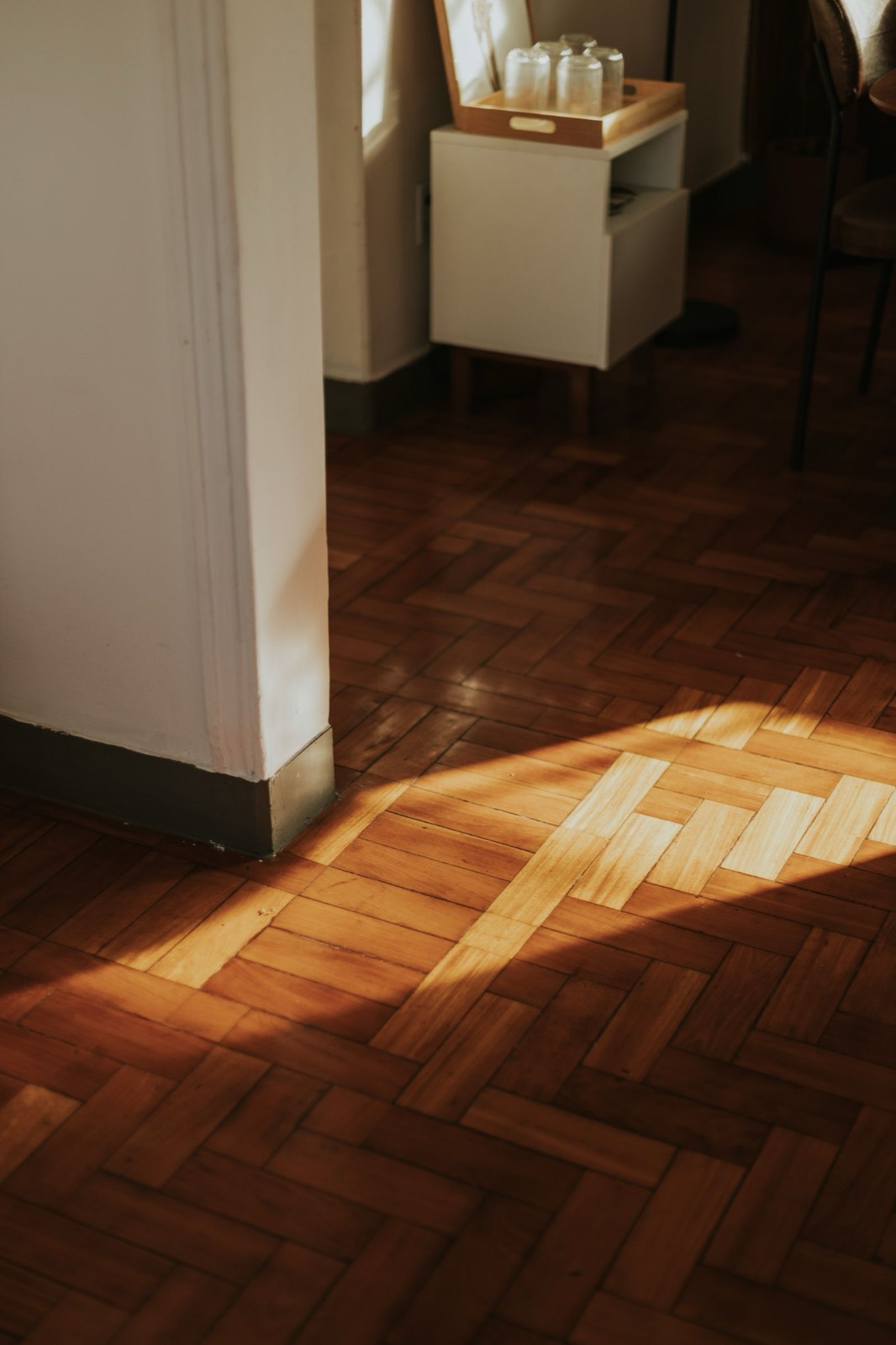
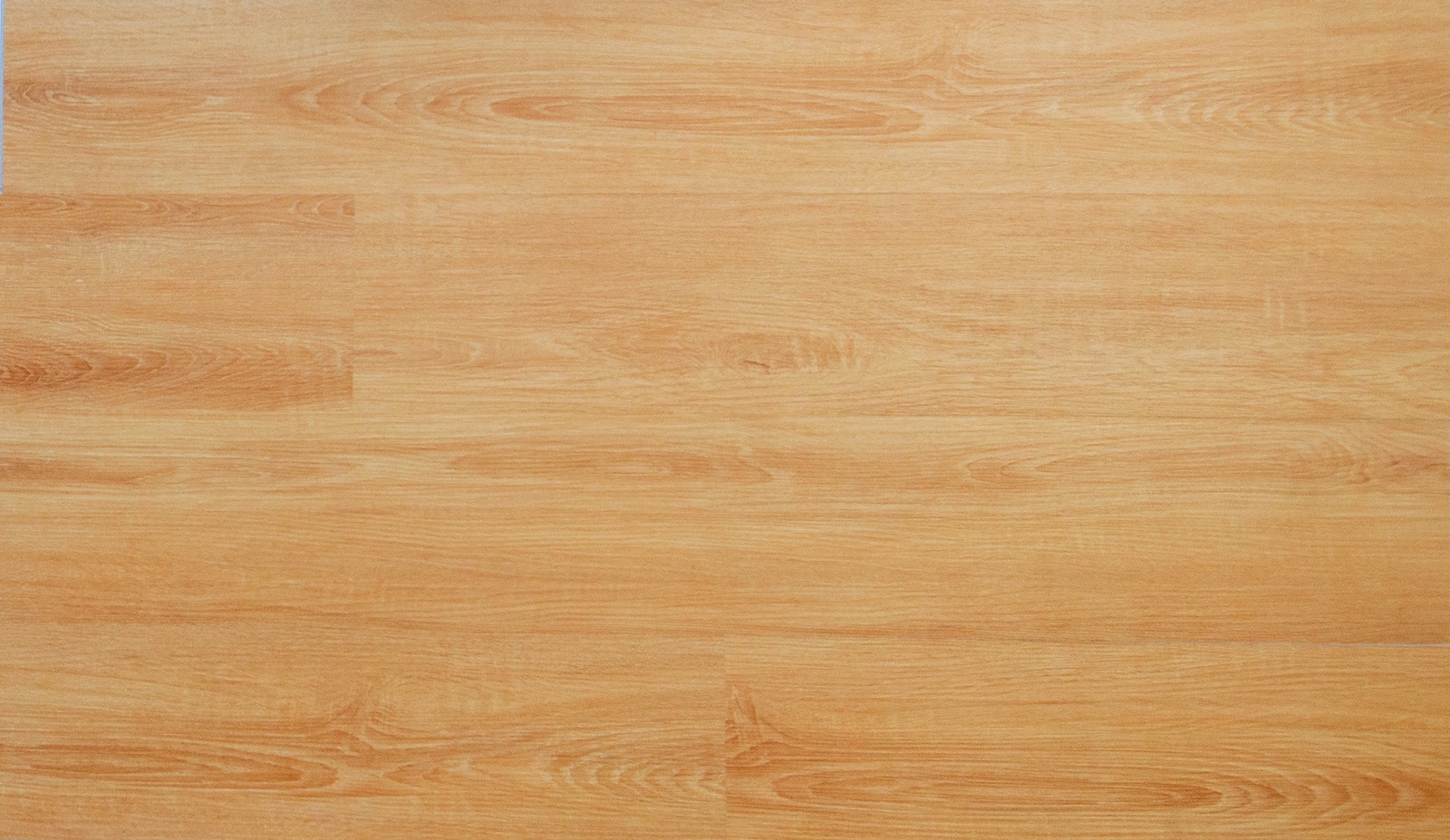
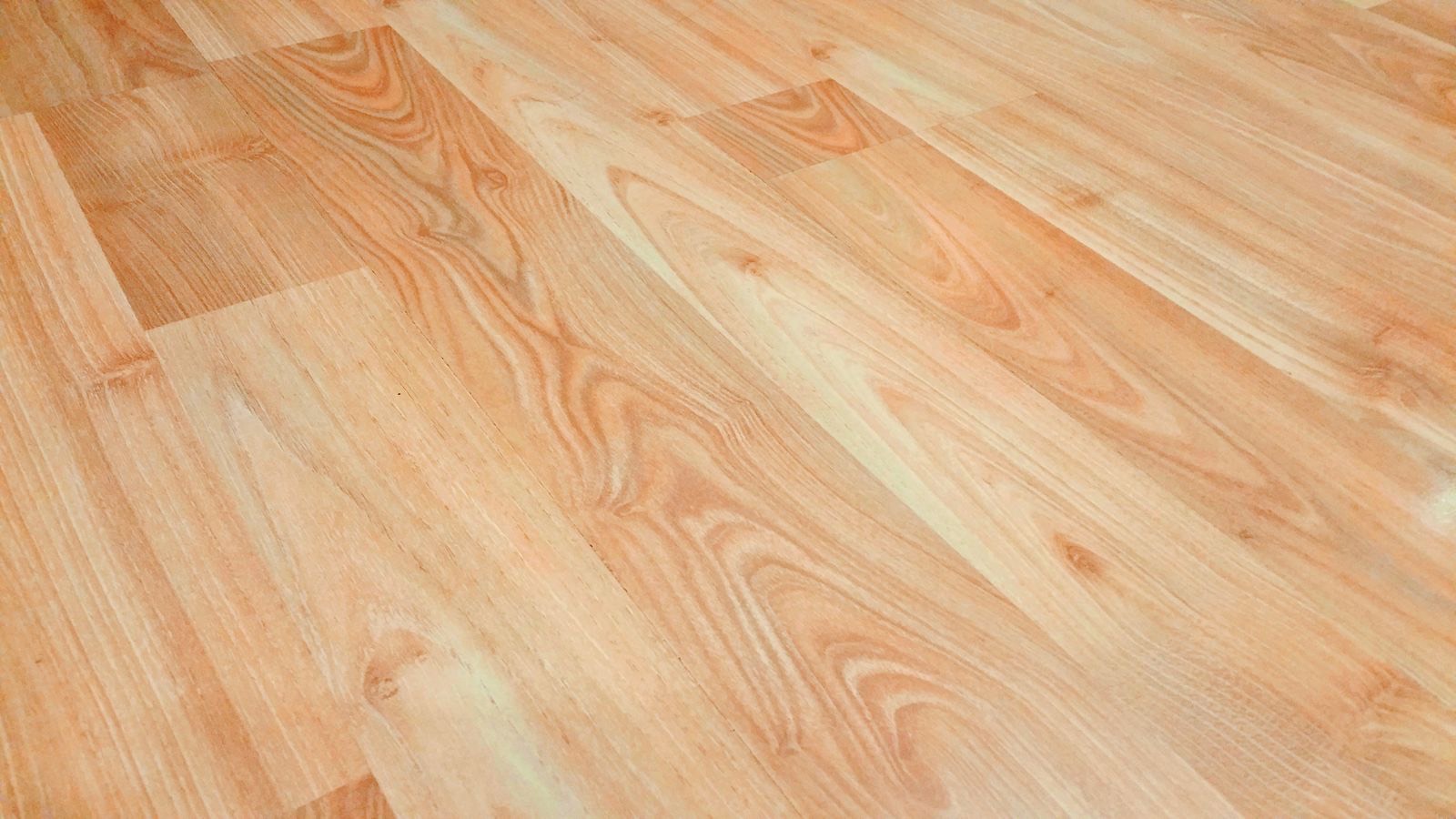
Luxury Vinyl Plank in Real Spaces
Get your luxury vinyl floors quoted.
Free in-home quotes across the Raleigh Triangle. Tell us about your space and we'll bring samples and a clear, itemized price — no pressure, no obligation.
On-Time, On-Budget Guarantee · Licensed & insured · Free quotes