Luxury Vinyl Tile · Raleigh & Fuquay-Varina, NC
The stone-and-tile look, without the cold, hard floor.
Luxury vinyl tile gives you convincing stone, ceramic, and concrete looks — waterproof, groutable, and far warmer, softer, and quieter underfoot than the real thing. A smart pick for kitchens, baths, and entries.
- Looks
- Stone & tile
- Waterproof
- 100%
- In-home quotes
- Free
Why LVT
Everything people love about tile, minus the drawbacks.
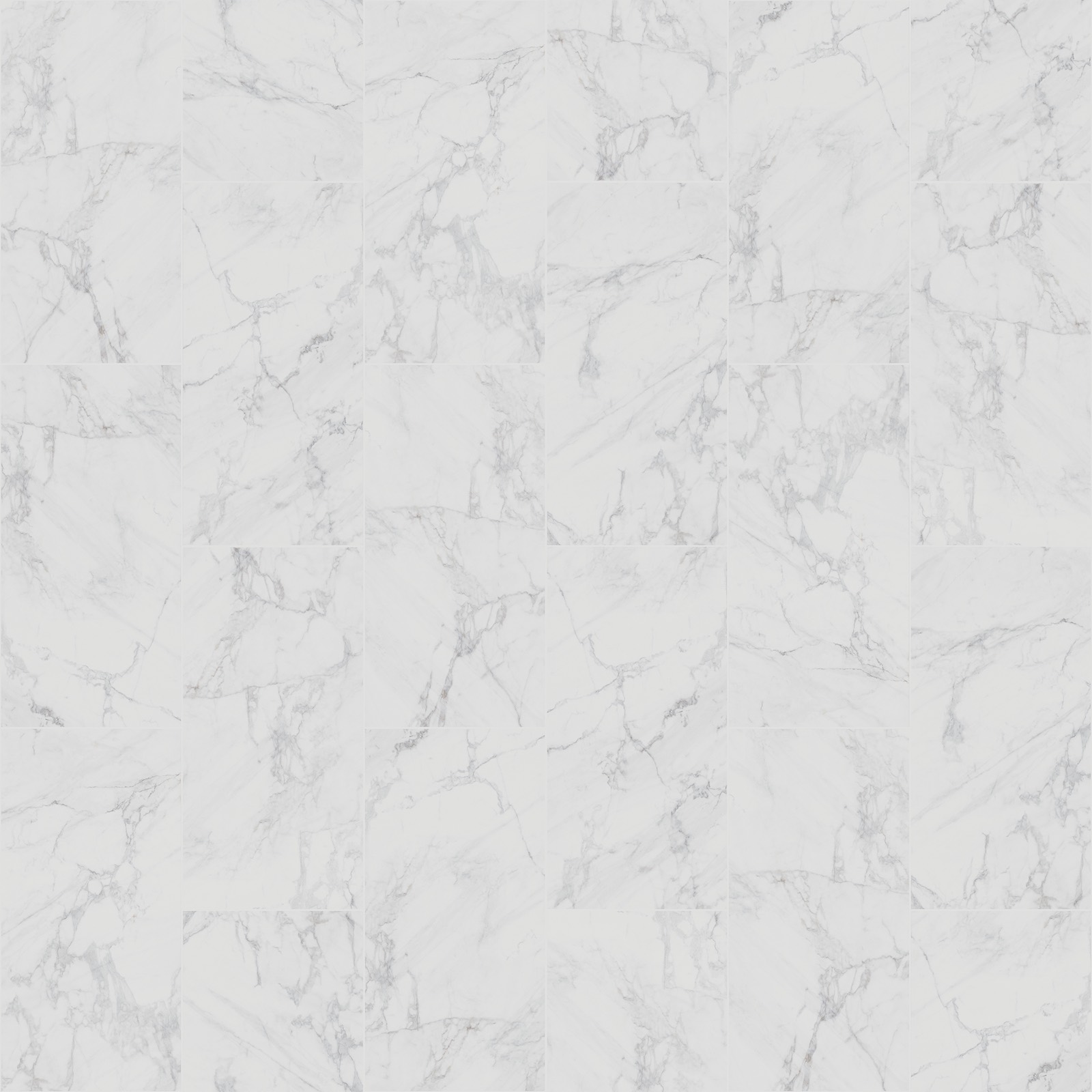
Luxury vinyl tile is the tile-shaped sibling of LVP: the same waterproof, durable luxury-vinyl technology, but made to look like stone, ceramic, marble, or concrete instead of wood. Many products can even be grouted, so the finished floor reads as a genuine tile installation — without the cold, hard, unforgiving surface that keeps people from putting real tile in a kitchen they stand in all day.
That combination is why LVT has taken off in kitchens, bathrooms, laundry rooms, and entryways across the Triangle. It’s fully waterproof, warmer and softer to stand on than porcelain, quieter, and more forgiving of a dropped glass — and it usually installs faster and costs less than a full tile job.
Like any tile-look floor, flatness matters: we prep the subfloor so the tiles lie perfectly flat and the grout lines (if you choose them) stay crisp and even. Whether glue-down or rigid-core, the prep is what makes it last.
What an LVT install includes
- Tear-out and haul-away of the old flooring
- Subfloor cleaned, flattened, and checked for soft spots
- Waterproof LVT in your stone, ceramic, or concrete look
- Grouted or tight-joint install — your choice of look
- Glue-down or rigid-core method matched to the room
- Crisp, even grout lines and consistent layout
- Transitions and thresholds to adjoining floors
Scope varies with your subfloor and layout — your quote is itemized after we’ve seen the space.
LVT vs. LVP vs. Real Tile
Three ways to get a hard-surface floor
LVT sits right between wood-look vinyl and genuine tile. Here’s how the three compare so you can land on the right one.
Luxury vinyl tile (LVT)
Waterproof vinyl in a stone/ceramic look — warm, soft, quiet, groutable, and quicker to install than tile. The comfort-and-looks middle ground.
Luxury vinyl plank (LVP)
The same waterproof vinyl, but in a wood-look plank. Choose it when you want the warmth of wood rather than the look of stone or tile.
Porcelain tile
The real thing: hardest, most heat-tolerant, and most premium underfoot — but colder, firmer, and a bigger install. Best for showers and where you want true tile.
Choosing Your LVT
The decisions that shape the look
A few choices set how convincing the tile look is and how the floor performs day to day.
Look & format
Stone, marble, ceramic, or concrete visuals in squares or rectangles. Larger formats read modern; smaller sizes and patterns add detail.
Grouted or tight-joint
A thin grout line sells the real-tile look; a tight joint is cleaner and quicker. Both are options — it's about the effect you want.
Install method
Glue-down for a thin, ultra-stable, permanent floor (great for large or commercial areas); rigid-core click for faster, floating installs.
Wear layer
As with all luxury vinyl, a thicker wear layer means better scratch resistance and a longer life — spec it to your traffic.
The Grouted Look
Real-tile character, comfort you can stand on
The reason grouted LVT wins so many people over is that it captures the one thing plank vinyl can’t: the look of a true tile floor, grout lines and all. Paired with a realistic stone or ceramic visual, a thin grout joint makes it genuinely hard to tell from porcelain at a glance — until you stand on it and feel the warmth and give underfoot.
It’s the ideal answer for anyone who loves the look of a stone kitchen or a marble-look entry but doesn’t want the cold, hard, echoey reality of tile — or the longer, pricier install. And because it’s waterproof and low-maintenance, the grout never becomes the cleaning chore that real grout can.
If you want the tile aesthetic with everyday comfort, this is the sweet spot. We’ll bring samples so you can see the grouted and tight-joint looks side by side.
Why people pick grouted LVT
- The real-tile look, grout and all
- Warm and soft underfoot, not cold and hard
- Waterproof — no grout-scrubbing marathons
- Quieter and more forgiving than porcelain
- Faster, less disruptive install than tile
- Often easier on the budget
How It's Installed
Five steps, and none of them get skipped.
Fast doesn’t mean rushed. Every step below exists because skipping it is what turns a floor that lasts decades into one that fails, gaps, or squeaks in a couple of years.
In-home measure & itemized quote
We measure every room, look at the subfloor and what's coming out, and help you match the right material to how each space is used. You get an itemized price before any work begins.
Tear-out & haul-away
Old flooring, tack strip, and staples come up and out. We check the subfloor underneath as it's exposed — this is where hidden water damage and soft spots turn up.
Subfloor prep & moisture check
Low spots get leveled, high spots ground down, loose panels re-secured, and squeaks fixed. Wood and laminate go over a moisture-checked, flat subfloor — never a wavy one.
Acclimation & precise install
Wood and laminate acclimate to your home's humidity first, then everything is installed with proper expansion gaps, tight seams, and layout planned so full planks land where they show.
Trim, transitions & clean-up
Shoe molding, transitions, and thresholds finish the edges; we vacuum, wipe down, and walk the job with you. For site-finished hardwood, that includes sanding, staining, and coating.
What Goes Into Your Quote
What moves an LVT quote
LVT pricing depends on the product grade, whether it’s glue-down or rigid-core, whether you grout it, and the prep your subfloor needs — glue-down in particular rewards a very flat base. We measure, assess the subfloor, and itemize everything so there are no surprises, which is what backs our on-time, on-budget guarantee.
We take on projects of 350 square feet and up, quoted after an in-home measure.
Product grade
Wear-layer thickness and the visual/format set material cost from value to premium.
Install method
Glue-down and grouted installs take more labor and prep than a floating rigid-core install.
Subfloor prep
Flattening and moisture control matter — especially for thin glue-down LVT that shows every imperfection.
Grout or tight-joint
A grouted look adds a step and material; a tight joint is quicker.
Tear-out & haul-away
Removing and disposing of old flooring is real labor.
Layout & rooms
Open areas install efficiently; small rooms, patterns, and cuts add time.
Why Homeowners Choose It
Tile looks, real-life comfort
Convincing stone & tile looks
High-definition stone, ceramic, marble, and concrete visuals — grouted, they're hard to tell from the real thing.
Warm and soft underfoot
None of the cold, hard shock of porcelain. LVT is comfortable to stand on and easier on dropped dishes.
Truly waterproof
Perfect for kitchens, baths, laundries, and entries — spills, splashes, and mopping are non-issues.
Quieter and forgiving
Softer than tile means less echo and more give, a noticeable difference in busy family spaces.
Faster, friendlier install
LVT typically installs quicker and costs less than a full tile job, with less mess and downtime.
Low maintenance
Sweep and damp-mop. No sealing, no waxing, no grout-scrubbing marathons — it just stays looking good.
Living With It
Practically care-free
LVT keeps the easy maintenance of luxury vinyl — the tile look without the grout upkeep. A quick routine is all it takes.
Sweep and damp-mop
Regular sweeping keeps grit off the wear layer; a damp mop with a pH-neutral cleaner handles day-to-day cleaning.
No sealing needed
Unlike real tile and stone, LVT and its grout don't need periodic sealing — one less chore, forever.
Felt pads & mats
Felt pads under furniture and entry mats stop scratches from grit and heavy pieces — the only real threat to LVT.
Skip harsh cleaners
No abrasive pads, wax, or steam mops. LVT never needs them and they can dull or damage the finish.
Wipe spills anytime
There's no rush with a waterproof floor, but wiping spills keeps it clean and slip-free.
Lift heavy items
Lift rather than drag furniture and appliances to protect the wear layer.
LVT FAQ
Common luxury vinyl tile questions
What's the difference between LVT and LVP?
They're the same waterproof luxury-vinyl technology in two shapes. LVP (luxury vinyl plank) comes in long planks made to look like wood. LVT (luxury vinyl tile) comes in squares or rectangles made to look like stone, ceramic, marble, or concrete. If you want a tile or stone look, LVT is the pick; if you want a wood look, LVP. Both are 100% waterproof and far warmer and softer underfoot than the real materials they mimic.
Can luxury vinyl tile be grouted?
Yes — many LVT products are designed to be installed with a thin grout line, which makes the stone or ceramic look remarkably convincing. You get the visual of a real tile floor, including grout, without the cold, hard surface or the cracking risk. Grouted or tight-jointed, it's your choice; we'll show you both looks and how they read in your space.
Is LVT a good alternative to real tile?
For a lot of homeowners, yes. LVT gives you the stone or ceramic look while being waterproof, warmer and softer to stand on, quieter, and more forgiving if something gets dropped on it — plus it usually installs faster and costs less than a full tile job. Real porcelain tile still wins on ultimate hardness and heat tolerance, but LVT is a genuinely great-looking, practical alternative in kitchens, baths, and entries.
Is LVT glued down or does it click together?
Both exist. Glue-down LVT bonds directly to a well-prepped subfloor for a very stable, thin, permanent floor — often preferred for large areas and commercial spaces. Rigid-core (click) LVT floats like LVP and installs faster with less subfloor fuss. The right method depends on your subfloor, the room, and whether you want a grouted look. We'll recommend the one that fits.
How durable is luxury vinyl tile?
Very — like LVP, its durability comes down to the wear-layer thickness. A quality LVT with a thick wear layer resists scratches, scuffs, and heavy traffic and holds up for many years, which is why it's common in busy homes and light-commercial spaces like salons and offices. And because it's waterproof, spills and moisture never threaten it the way they can with laminate or wood.
Where does LVT work best?
Anywhere you'd want a tile or stone look with less fuss: kitchens, bathrooms, laundry rooms, mudrooms, and entryways. Because it's fully waterproof and comfortable underfoot, it's especially popular where real tile would be cold and hard. It also performs well in light-commercial settings. For wood looks in those same rooms, its sibling LVP is the pick.
Gallery
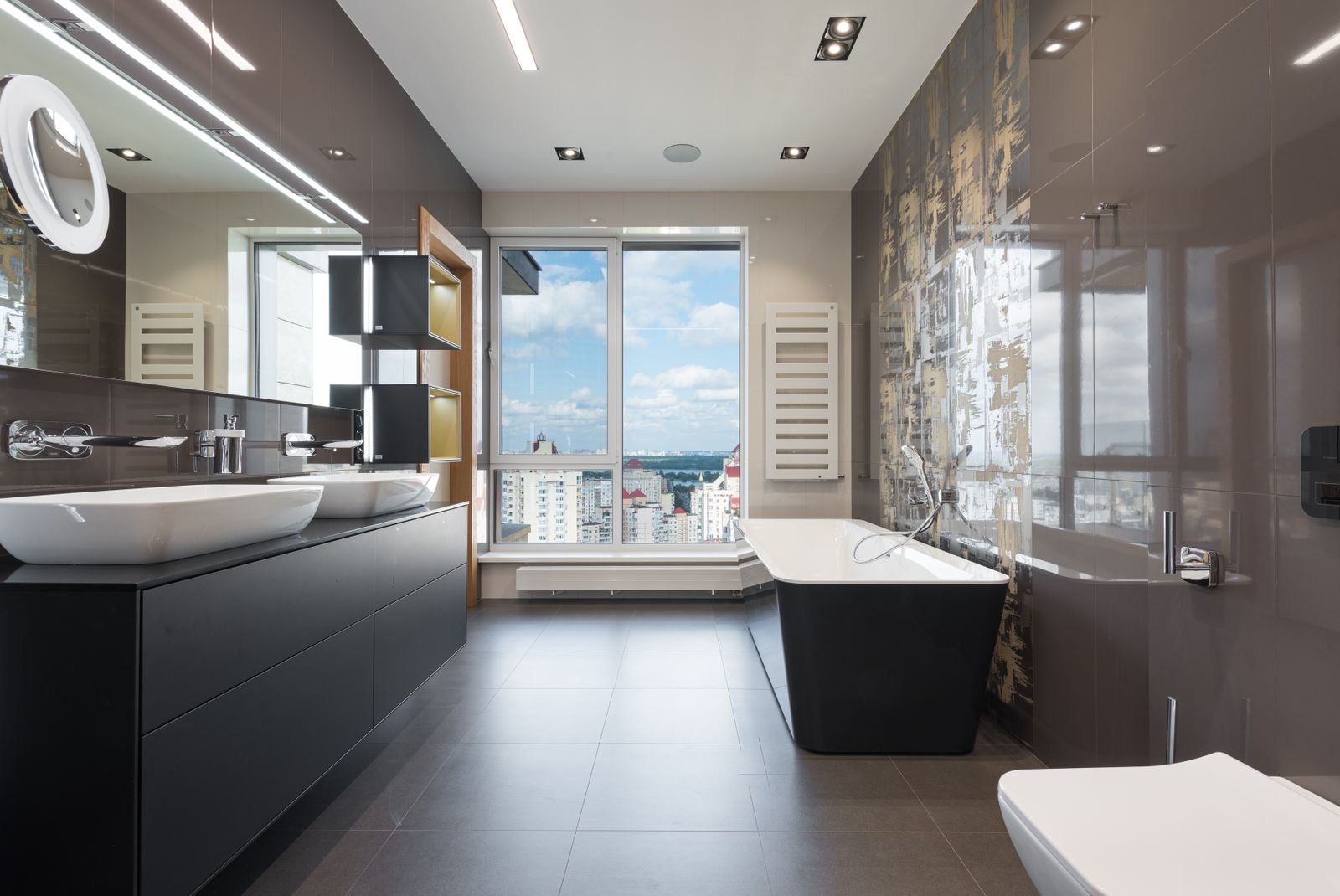
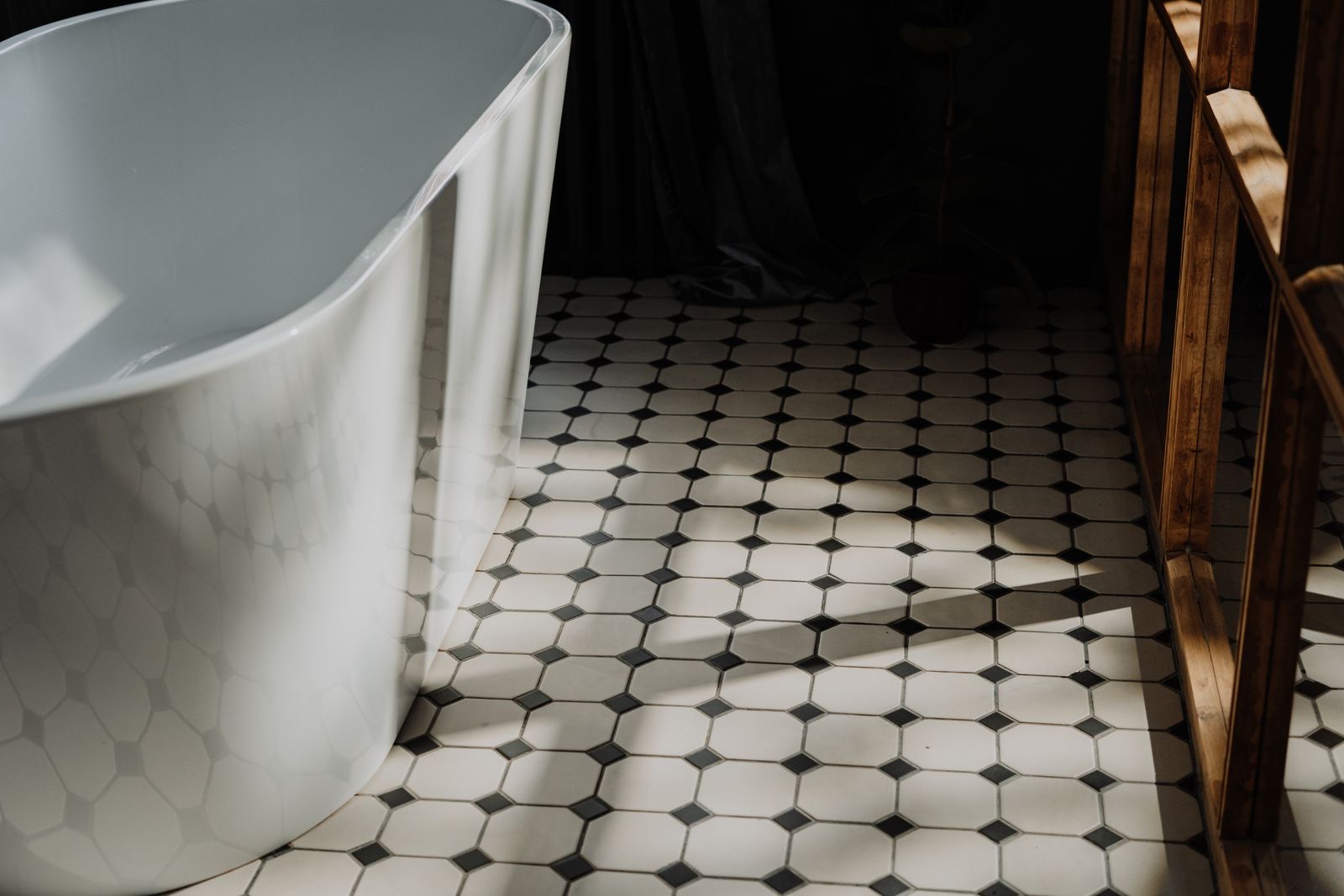
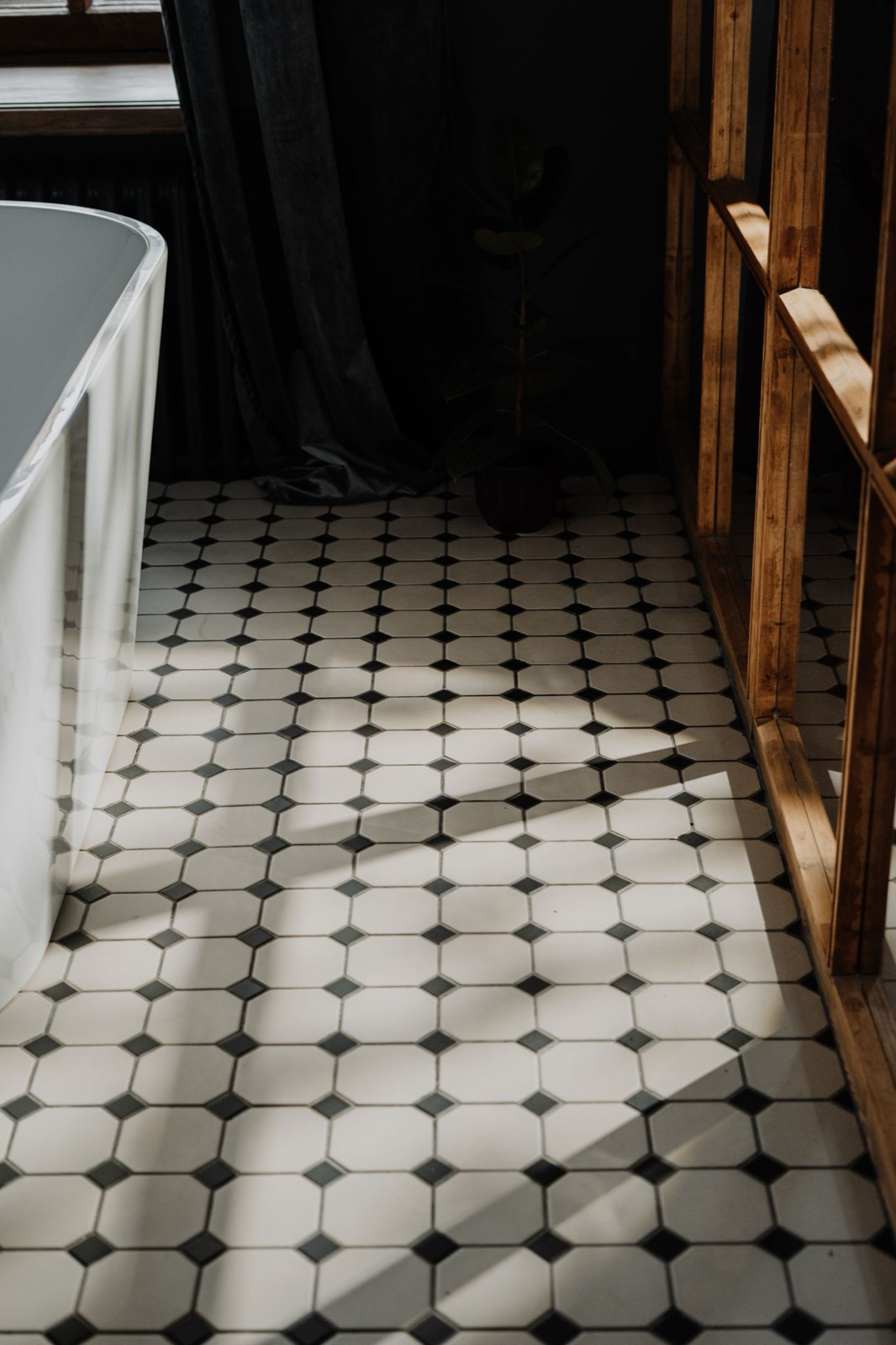
Luxury Vinyl Tile in Real Spaces
Get your luxury vinyl tile quoted.
Free in-home quotes across the Raleigh Triangle. Tell us about your space and we'll bring samples and a clear, itemized price — no pressure, no obligation.
On-Time, On-Budget Guarantee · Licensed & insured · Free quotes